
Listen to this Post
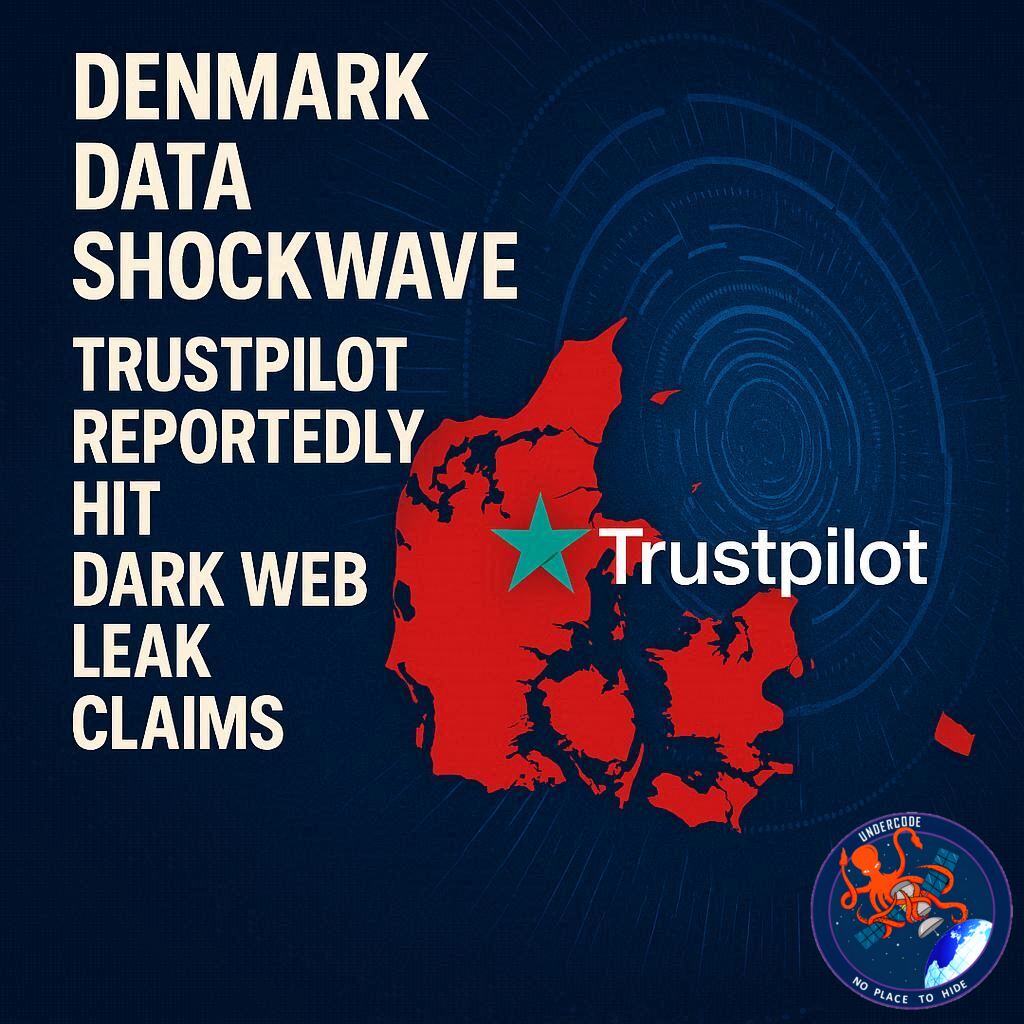
🔥 Introduction: A Corporate Reputation Under Digital Fire
A new dark web intelligence post has drawn attention to a potential data exposure involving Denmark-based Trustpilot A/S. The mention surfaced through a cyber threat monitoring account referencing a possible breach, raising concerns about customer review data security, corporate vulnerability, and the broader risks facing large-scale online trust platforms. While details remain unverified, the signal alone has been enough to trigger discussion in cybersecurity circles and among digital analysts tracking underground forum activity.
📌 Incident (Condensed Overview)
The post originates from a dark web intelligence source that frequently reports alleged leaks and cyber incidents. It references Trustpilot A/S, a Danish online review platform known for hosting millions of consumer and business evaluations globally. The claim suggests that data tied to Trustpilot may have been exposed or circulated in underground channels, though no technical breakdown, sample dataset, or confirmed breach vector was publicly detailed in the initial alert.
The mention includes a cryptic session identifier, commonly used in threat intelligence logs to track internal reference threads or monitored communications. However, no direct evidence of data samples such as emails, passwords, or user records was presented in the visible post.
Trustpilot A/S itself has not publicly confirmed any breach linked to this specific claim at the time of reporting. Historically, platforms of this scale are frequent targets for scraping, credential stuffing, or partial data aggregation attempts rather than full-system compromises.
Cybersecurity observers note that dark web announcements often mix real leaks with exaggerated or unverified claims to increase visibility or market stolen datasets. As a result, early-stage reports like this require careful validation before drawing conclusions.
The absence of technical indicators—such as file hashes, sample entries, or breach methodology—makes classification of this event uncertain.
Still, the naming of a well-known consumer trust platform increases the perceived seriousness of the claim.
Data from review platforms is often valuable due to its combination of user identities, business associations, and behavioral insights.
Even partial exposure could lead to phishing attempts or reputation manipulation campaigns.
For now, the incident remains categorized as an unverified intelligence signal rather than a confirmed breach.
What Undercode Say:
⚠️ Signal vs. Substance in Dark Web Reporting
Dark web intelligence posts often function as early warning systems rather than verified disclosures. In this case, the Trustpilot mention may represent either a genuine leak fragment or a recycled claim from older datasets. Without supporting forensic evidence, classification remains speculative.
🧠 Trustpilot’s Strategic Risk Profile
Trustpilot A/S operates at the center of consumer trust infrastructure, making it a high-value target for data harvesting. Even if no internal breach occurred, third-party scraping or API abuse could still generate datasets that appear legitimate on underground forums.
🔐 The Nature of Review Platform Data Exposure
Unlike financial systems, review platforms store large volumes of semi-public data. This creates ambiguity: attackers can repurpose scraped content and present it as “breached” information. This gray zone complicates incident verification.
🌐 Session Identifiers and Intelligence Credibility
The inclusion of a session hash-like identifier suggests structured tracking, but it does not confirm authenticity. In many cyber threat channels, such identifiers are used for internal cataloging rather than proof of compromise.
📉 Market and Reputation Sensitivity
Even unconfirmed breach mentions can affect platform perception. Companies like Trustpilot rely heavily on trust branding, meaning reputational damage can occur before technical validation is complete.
🧩 Possible Attack Scenarios
If a breach were real, likely vectors would include credential stuffing, API exploitation, or third-party vendor exposure. Full system penetration is less common for platforms with mature security frameworks.
🕵️ Intelligence Reliability Challenges
Dark web claims often lack consistent verification standards. Analysts typically cross-reference multiple sources before confirming incidents, as false positives are frequent in underground reporting ecosystems.
📊 Data Monetization Incentives
Stolen or scraped datasets tied to review platforms are often monetized through phishing kits or reputation manipulation services rather than direct resale of raw data.
🧱 Defensive Posture Implications
Even unconfirmed reports highlight the need for continuous monitoring, rate-limiting defenses, and anomaly detection across API access points in large SaaS ecosystems.
🔎 Final Analytical Position
At present, this remains an unverified intelligence signal. The seriousness lies not in confirmed compromise, but in the pattern of recurring mentions targeting trust-based digital platforms.
🔍 Fact Checker Results
🧾 Verification Status of Claim
No independent confirmation of a Trustpilot A/S breach has been publicly validated at this time.
🧪 Evidence Availability Assessment
The initial report lacks technical proof such as data samples, hashes, or forensic indicators.
⚖️ Reliability Classification
Current intelligence quality is classified as low-confidence due to absence of corroborating sources.
📊 Prediction
🚨 Short-Term Risk Outlook
The claim is likely to circulate in cybersecurity forums, potentially evolving into either a clarified false alarm or a later-confirmed minor data exposure.
📈 Medium-Term Scenario Development
If additional leaks emerge, the narrative may shift toward partial data scraping attribution rather than full infrastructure compromise.
🔮 Long-Term Cybersecurity Trend
Platforms built on public trust systems will continue to face increased targeting from both opportunistic scrapers and reputation-focused threat actors.
🕵️📝Let’s dive deep and fact‑check.
References:
Reported By: x.com
Extra Source Hub (Possible Sources for article):
https://www.twitter.com
Wikipedia
OpenAi & Undercode AI
Image Source:
Unsplash
Undercode AI DI v2
Bing
🔐JOIN OUR CYBER WORLD [ CVE News • HackMonitor • UndercodeNews ]
📢 Follow UndercodeNews & Stay Tuned:
𝕏 formerly Twitter 🐦 | @ Threads | 🔗 Linkedin | 🦋BlueSky | 🐘Mastodon


