
Listen to this Post
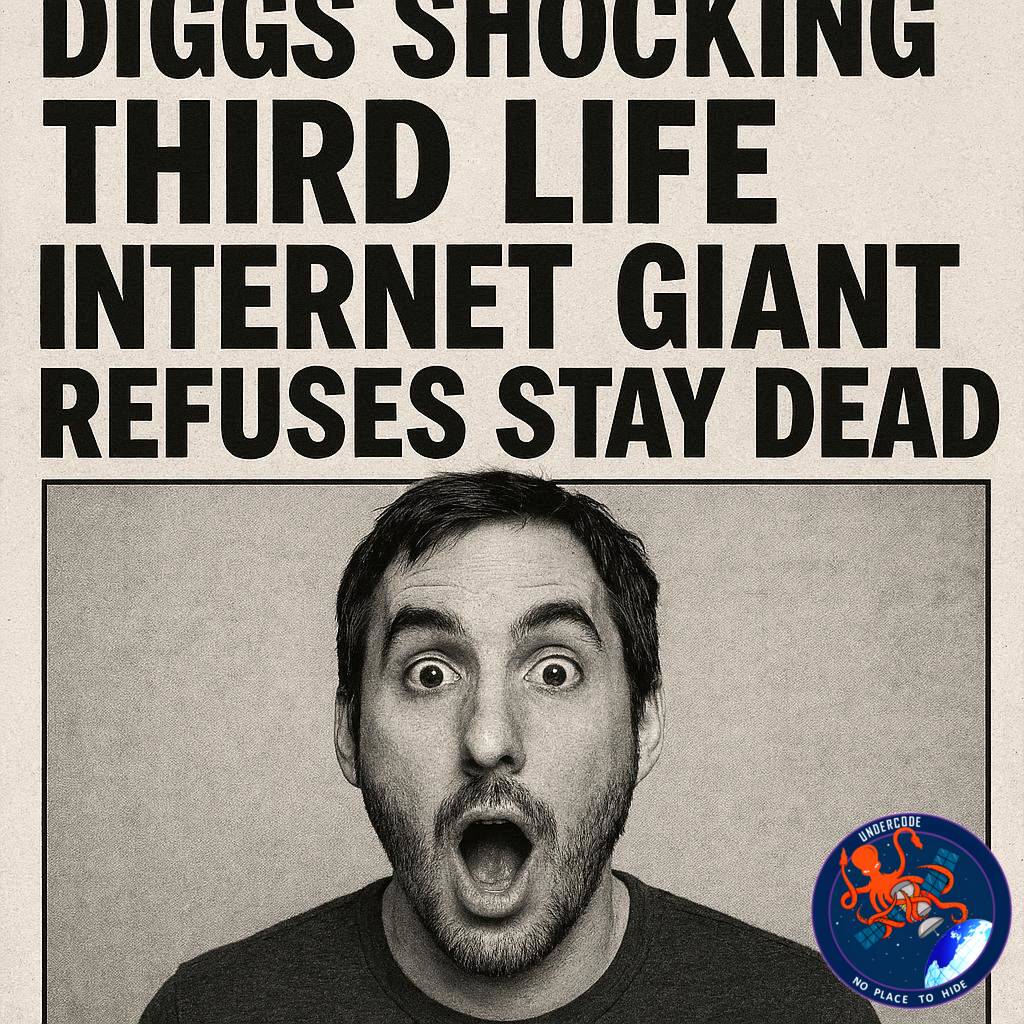
Introduction: The Rise, Fall, and Strange Return of Digg
Digg was once one of the most influential platforms on the internet, famously calling itself the “homepage of the internet.” It shaped how people discovered news, shared content, and voted on what mattered online. But its journey has been anything but stable. From dominance to collapse, from failed redesigns to bot invasions, Digg has become a case study in how quickly internet platforms can rise and fall. Now, it is attempting yet another comeback—this time with a completely different identity focused on curating the chaos of modern digital information.
Summary: The Rise, Collapse, and Reinvention of Digg
Early Dominance and Cultural Impact
Digg began as a social news platform where users submitted links and voted them up or down. Its “digg” and “bury” system shaped early internet engagement culture. It became a central hub for viral content before social media giants fully took over.
The Embed Revolution
One of Digg’s defining features was its embeddable voting buttons, allowing other websites to integrate its ecosystem. This helped spread its influence far beyond its own platform and made it a core part of early web interaction.
The 2010 Redesign Disaster
A major redesign in 2010 alienated its core users. The interface changes and algorithm adjustments triggered mass migration away from Digg, most notably toward Reddit, which offered a more stable alternative.
Decline and Fragmentation
After the redesign backlash, Digg lost momentum rapidly. User activity dropped, engagement collapsed, and the platform became increasingly irrelevant in the face of Facebook’s rise and its simpler Like and Share mechanics.
First Attempted Revival
Years later, Digg founder Kevin Rose partnered with Reddit co-founder Alexis Ohanian to resurrect the platform. The goal was to rebuild Digg as a modern, trustworthy content-sharing space.
Closed Beta and Early Optimism
The revived version entered closed beta in late 2025 and launched publicly in early 2026. Its core promise was to fight bots and restore authentic human engagement through verification systems.
Bot Invasion Failure
Ironically, despite its anti-bot ambitions, the revived platform was quickly overwhelmed by bot activity. Within less than two months, the system failed and was shut down again.
A New Identity Emerges
Instead of returning as a traditional social news platform, Digg pivoted into a content aggregation model. It now aims to filter and surface meaningful content from across social media.
Focus on AI Noise Filtering
The current strategy focuses heavily on AI-related content, which is one of the most chaotic and fast-moving areas online. Digg claims it wants to identify meaningful signals in this overwhelming noise.
Influencer-Based Curation Model
Rather than open submissions, Digg now tracks content from around 1,000 influential voices in the AI space, using them as a curated signal pool.
Early Access Phase
The platform is currently in early access testing, with plans to eventually move back to its original domain. Users can still join the preview phase.
Uncertain Future Outlook
Despite the ambition, skepticism remains high. Many observers believe this iteration may struggle even more than previous attempts due to competition and structural challenges.
What Undercode Say:
The Identity Crisis of a Once-Dominant Platform
Digg’s repeated reinventions reveal a deeper problem: it no longer has a clear identity. Once a pioneer in social news, it now struggles to define whether it is a community, an aggregator, or an AI-curation engine. This lack of stability has been central to its long decline.
The Reddit Shadow and Lost Momentum
The 2010 redesign remains one of the most cited failures in internet history. It not only drove users away but effectively handed long-term dominance to Reddit, which preserved the original community-driven model Digg abandoned.
The Bot Problem as a Symbol of Modern Internet Chaos
The irony of Digg collapsing under bot activity while trying to fight bots highlights a larger issue across the internet. Automation, spam, and AI-generated content are now structural problems that even well-designed systems struggle to contain.
Shift from Social Platform to Information Filter
The latest pivot shows Digg abandoning its original social model entirely. Instead of hosting discussions, it now tries to filter external noise. This is less about community building and more about becoming an algorithmic curator of the internet.
AI Content as the New Battleground
Focusing on AI-related content is both strategic and risky. While it is one of the most active online sectors, it is also one of the most saturated with hype, misinformation, and rapid-fire trends that are difficult to verify or stabilize.
Curation vs. Community Tradeoff
By limiting input to selected influential voices, Digg sacrifices open participation in favor of controlled quality. While this may reduce spam, it also removes the democratic nature that once defined its appeal.
Competitive Pressure from Established Giants
Digg is now competing not just with Reddit but also with algorithm-driven feeds from major tech platforms. These systems already dominate content discovery, leaving little space for smaller aggregators.
Survival Depends on Execution, Not Idea
The concept of filtering internet noise is not new. The real challenge lies in execution—building trust, scalability, and relevance in a landscape already saturated with recommendation systems.
Fact Checker Results
Bot Failure Claim Confirmed
✔ The revived Digg reportedly struggled with bot activity shortly after relaunch.
Reddit Migration Accuracy
✔ Users did shift significantly from Digg to Reddit after the 2010 redesign.
AI Aggregation Strategy
✔ Current direction focuses on AI content curation and influencer tracking.
Prediction
Short-Term Stability Outlook
Digg is likely to remain experimental in the short term, with limited user adoption during its early access phase.
Medium-Term Survival Risk
Without a strong community-driven model, it may struggle to compete against established platforms like Reddit and algorithm-based social feeds.
Long-Term Identity Uncertainty
Unless Digg finds a unique value beyond aggregation, it risks fading into another short-lived internet revival experiment.
🕵️📝Let’s dive deep and fact‑check.
References:
Reported By: 9to5mac.com
Extra Source Hub (Possible Sources for article):
https://www.digitaltrends.com
Wikipedia
OpenAi & Undercode AI
Image Source:
Unsplash
Undercode AI DI v2
Bing
🔐JOIN OUR CYBER WORLD [ CVE News • HackMonitor • UndercodeNews ]
📢 Follow UndercodeNews & Stay Tuned:
𝕏 formerly Twitter 🐦 | @ Threads | 🔗 Linkedin | 🦋BlueSky | 🐘Mastodon


