
Listen to this Post
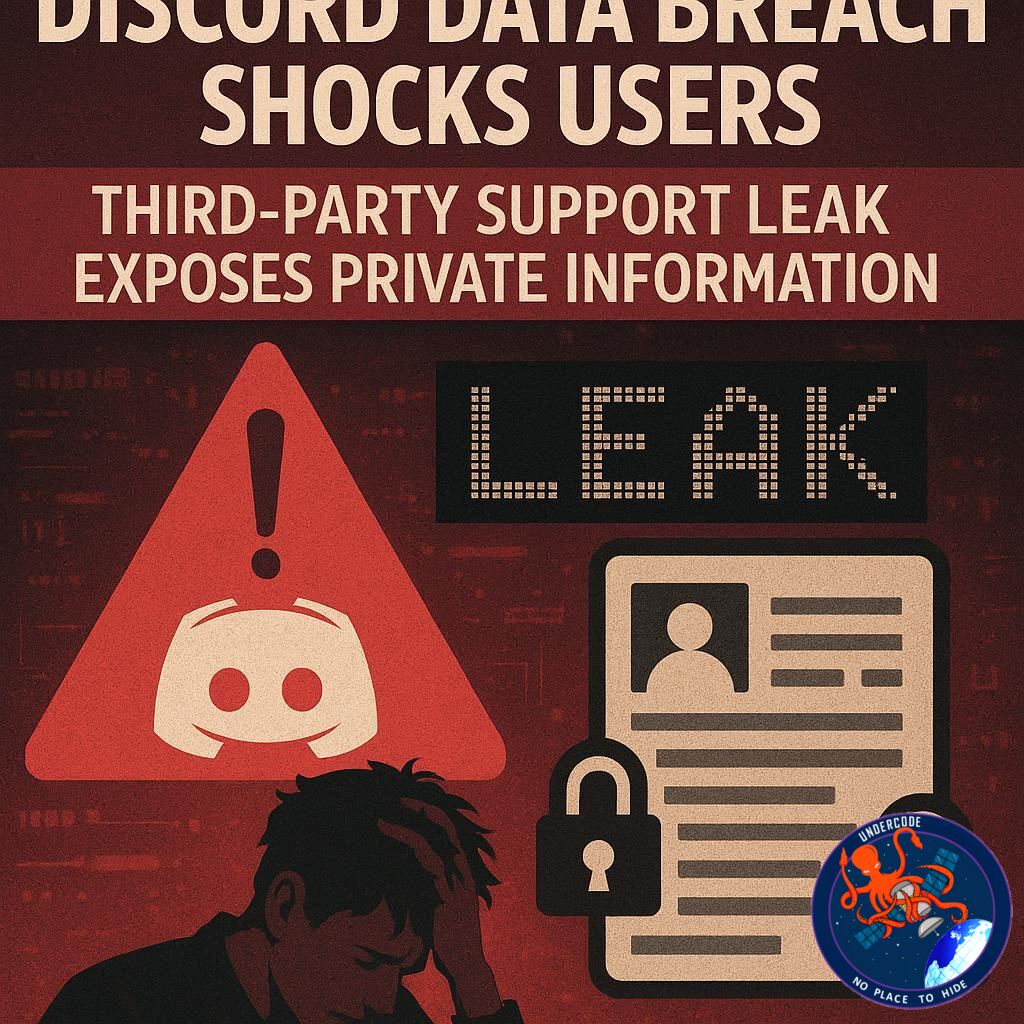
Rising Concerns Over Discord’s Security Chain
In a concerning development for millions of users, Discord has disclosed a data breach linked not to its own systems, but to a third-party customer support provider. This breach has potentially exposed sensitive user data, including names, usernames, email addresses, contact information, billing details, and even IP addresses. For users who had submitted age verification appeals, images of government-issued IDs may also have been compromised.
Discord clarified that the incident did not involve a direct compromise of its internal systems or servers. Instead, the attacker infiltrated one of Discord’s contracted customer support partners, gaining unauthorized access to the communications between users and the support or Trust & Safety teams.
Once the breach was detected, Discord acted quickly: it revoked the vendor’s access, initiated an internal investigation with the help of a leading cybersecurity forensics firm, and informed law enforcement agencies. The company assured that no passwords, authentication tokens, or full credit card data (such as CVV codes) were exposed.
Affected users are now being notified via email and are strongly advised to remain vigilant against phishing attempts and other suspicious communications. Discord emphasized that it has staff available to help anyone concerned about their account’s security and future safety.
This event raises fresh questions about how much control major tech platforms really have over their extended digital ecosystems, especially when third-party providers handle parts of user communication and verification processes.
What Undercode Say:
The Breach Highlights a Larger Issue in Platform Dependency
Discord’s revelation isn’t just about one compromised vendor — it exposes a systemic risk that has become endemic in the digital age. Many tech companies rely heavily on third-party providers for customer service, analytics, and moderation support. When these external systems fail, the fallout inevitably lands on the main platform’s reputation, as users seldom differentiate between a platform and its partners.
Why Third-Party Providers Are the Weakest Link
This case demonstrates how outsourcing security operations, even partially, introduces vulnerabilities. Discord’s internal systems remain intact, but its brand still suffers because a trusted third-party couldn’t protect its own environment. These providers often operate under weaker security frameworks, and hackers know that breaching them can yield valuable data without needing to directly attack the main company’s fortified infrastructure.
Data Sensitivity and the Problem with Trust
The exposure of government IDs is particularly worrying. Unlike passwords or tokens, identification documents are static — they can’t be easily changed once leaked. For affected users, this means long-term risk involving identity theft, doxxing, or fraudulent use of their personal documents. This part of the breach underscores a critical point: when companies collect sensitive documents for verification, they also assume lifelong responsibility for that data’s protection.
Discord’s Quick Response — Enough or Not?
While Discord acted swiftly in revoking access and launching an investigation, its mitigation measures highlight a reactive, not proactive, approach. The company’s public statement, though transparent, still leaves open questions about how often such vendors are audited or subjected to penetration testing. Speedy responses are good public relations; preventive control is real security.
Lessons for Users: Never Assume Complete Safety
Users should understand that data shared with any online platform — especially one that outsources customer service functions — is potentially exposed to multiple points of risk. Even when a company like Discord takes every internal precaution, the chain is only as strong as its weakest vendor.
How Platforms Can Prevent Similar Incidents
The breach should push Discord and similar services to adopt stricter zero-trust frameworks for third-party integrations. Real-time monitoring, segmented access, and limited data retention policies can significantly minimize exposure. Additionally, requiring vendors to maintain SOC 2 or ISO 27001 certifications could ensure that external support firms uphold stronger standards.
Broader Implications Across the Industry
This event is not isolated. From ticketing systems to identity verification providers, many platforms are now realizing that third-party access can become an unmonitored backdoor. As the digital economy grows, so too does the “attack surface” — not because of direct hacking, but through extended digital supply chains.
Why Public Confidence Is at Stake
For Discord, the impact is more reputational than technical. While its servers weren’t breached, public perception often collapses nuance. A user who reads “Discord breach” may not care about the third-party distinction. Rebuilding that trust requires not only assurances but tangible changes in how data access and oversight are managed.
Moving Forward: Rebuilding the Security Perimeter
The company’s commitment to notifying affected users and working with law enforcement is commendable, but a stronger move would be to publicly release an independent audit report summarizing what went wrong and what’s being fixed. Transparency paired with accountability can transform this incident into a long-term lesson in trust rebuilding.
The Real Takeaway
This breach shows that cybersecurity is no longer confined to firewalls and encryption — it’s about managing relationships, contracts, and access across the entire digital ecosystem. Companies that fail to enforce these layers of protection across all their partners are one step away from the next public incident.
Fact Checker Results
✅ Discord’s internal systems were not breached.
❌ Third-party provider failed to secure user support data.
⚠️ Government ID images and personal details were exposed for a limited group of users.
Prediction
Looking ahead, Discord will likely tighten its third-party vendor audits, implementing stricter compliance rules and encryption standards. Expect industry-wide changes as other platforms reassess their vendor risk management frameworks. This incident may become a case study in how indirect exposure can cause direct reputational damage — pushing tech companies toward a “zero trust, zero tolerance” approach to data sharing.
🕵️📝✔️Let’s dive deep and fact‑check.
References:
Reported By: securityaffairs.com
Extra Source Hub:
https://www.twitter.com
Wikipedia
OpenAi & Undercode AI
Image Source:
Unsplash
Undercode AI DI v2
🔐JOIN OUR CYBER WORLD [ CVE News • HackMonitor • UndercodeNews ]
📢 Follow UndercodeNews & Stay Tuned:
𝕏 formerly Twitter 🐦 | @ Threads | 🔗 Linkedin | 🦋BlueSky | 🐘Mastodon


