
Listen to this Post
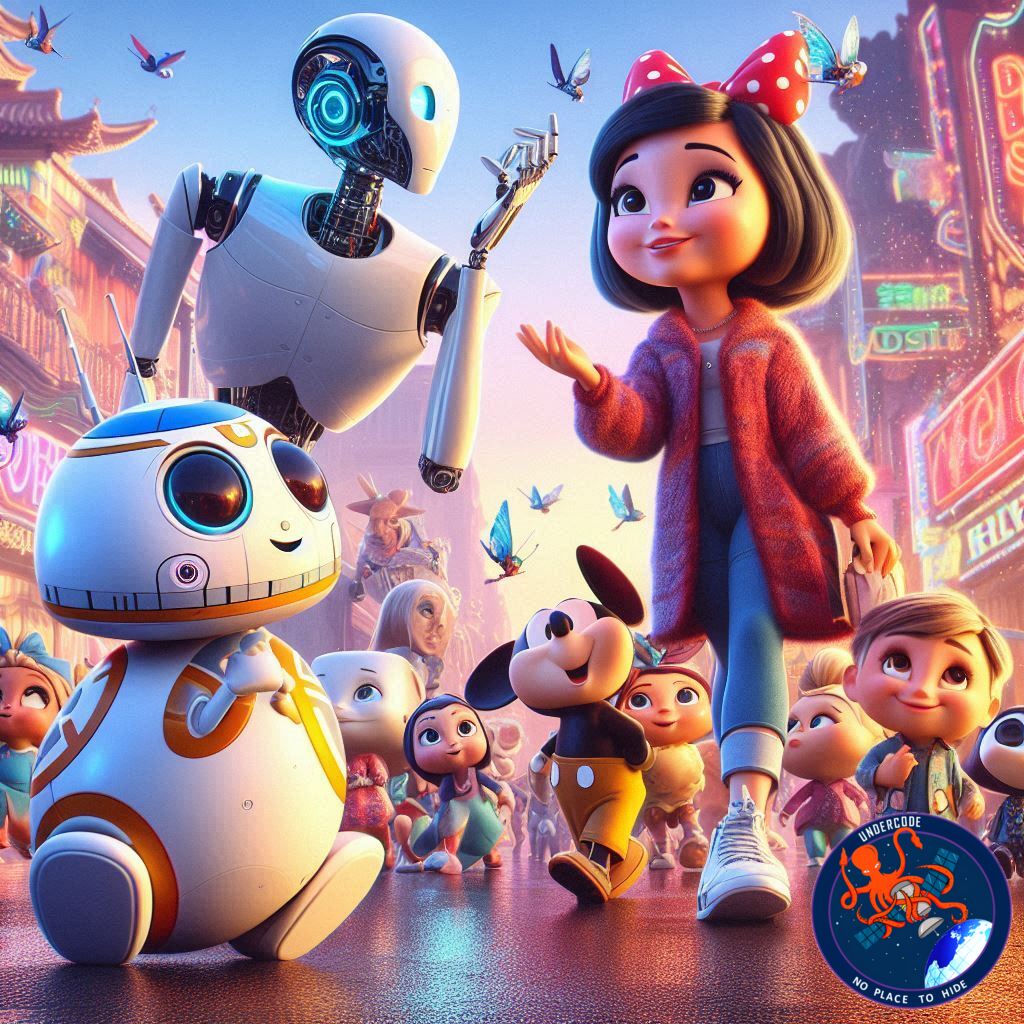
Disney is making a bold move into the artificial intelligence space, investing $1 billion in OpenAI while licensing its beloved characters to Sora, a generative AI platform. On the surface, this deal looks almost paradoxical: the same company that has aggressively defended its intellectual property in court is now inviting AI developers to play with its characters. Yet behind the headlines lies a strategic maneuver designed to position Disney at the forefront of AI-driven entertainment without compromising its long-term control.
Disney’s Strategic AI Play
Disney’s decision to partner with OpenAI is surprising given its recent legal actions. Just months ago, Disney teamed up with Universal to sue Midjourney for using AI to recreate artistic works, while simultaneously sending a cease-and-desist letter to Google for alleged copyright violations. Despite this, Disney is now licensing its IP to OpenAI under a three-year deal with one year of exclusivity, ensuring the company can later open its characters to other AI platforms. Crucially, character voices are excluded from this licensing deal, preventing AI from fully replicating iconic voices like Moana or Yoda.
This partnership provides Disney with a hedge against the uncertainty of AI’s future. With technology rapidly changing how content is created and consumed, Disney ensures it isn’t left behind while maintaining boundaries around its IP. By investing $1 billion for equity in OpenAI, Disney gains both financial upside and influence over one of the world’s leading AI companies.
For OpenAI, the benefits are clear. It gains access to over 200 Disney characters for Sora users to manipulate, a significant cash infusion, and a temporary legal reprieve from Disney. The AI platform can expand its offerings for younger audiences, focusing on short, interactive experiences rather than full-length films.
Disney CEO Bob Iger frames the deal as embracing technological progress rather than resisting it. By limiting exposure and maintaining control over the most sensitive aspects of its IP, Disney positions itself to profit from AI-driven innovation without fully relinquishing control.
What Undercode Say:
Disney’s approach to AI reveals a sophisticated balancing act between innovation, risk, and brand preservation. On one hand, the company recognizes that AI is not just a technological curiosity but a transformative force capable of redefining media creation and consumption. The choice to partner with OpenAI, rather than smaller platforms like Midjourney or tech giants like Google, reflects a strategic “Goldilocks” approach: OpenAI is large enough to matter but flexible enough to allow Disney influence without entangling it in protracted legal conflicts.
Iger’s exclusion of voices from the deal is a masterstroke in IP protection. It maintains the iconic auditory identity of characters while still allowing visual and behavioral experimentation. This ensures brand integrity while testing the waters of AI-driven engagement. By keeping Sora content short and child-friendly, Disney also mitigates reputational risk and avoids alienating core audiences while gathering insights on how younger generations interact with AI-generated content.
Financially, Disney is hedging effectively. The $1 billion investment grants it equity in a leading AI startup, securing a potential return if OpenAI succeeds while limiting exposure to downside risks. Simultaneously, licensing fees provide a steady revenue stream. This approach signals to the market that Disney is willing to experiment with AI without jeopardizing the long-term value of its IP.
However, the move is not without potential pitfalls. Introducing Disney characters into an AI environment could dilute the magic associated with these IPs if users produce content inconsistent with the brand’s values. There is also a cultural risk: human creators behind beloved stories might feel sidelined by AI manipulation of their work. Yet Disney’s careful structuring of the deal—limited exclusivity, no voices, short video formats—suggests a calculated tolerance for controlled experimentation rather than open-ended exposure.
In the broader industry context, Disney’s move sets a precedent. It demonstrates how traditional media companies can engage with AI without surrendering total creative control. Disney is effectively signaling to competitors and consumers that AI is an opportunity to expand, not a threat to combat. It also highlights an emerging paradigm: content ownership and licensing in the age of generative AI require nimble legal and financial strategies, balancing innovation with protection.
For OpenAI, the partnership is a lifeline. Access to globally recognized IP enhances its platform’s appeal, particularly among younger users, and provides a level of legitimacy that money alone cannot buy. Disney’s involvement also acts as a soft endorsement, reassuring parents and educators concerned about the safety and appropriateness of AI content.
Disney’s decision is emblematic of a larger trend where legacy companies must confront the AI revolution with a combination of caution, creativity, and strategic investment. It is a calculated wager: by maintaining control while enabling experimentation, Disney positions itself to benefit from AI’s evolution without succumbing to its risks.
Fact Checker Results:
✅ Disney is investing $1 billion in OpenAI and licensing characters to Sora.
✅ Character voices are explicitly excluded from the AI licensing deal.
❌ Disney is not granting OpenAI indefinite control; the deal has limited exclusivity.
Prediction:
Disney’s cautious but ambitious embrace of AI is likely to influence other media giants. Expect more strategic IP licensing deals in the near future, where companies test AI platforms while protecting brand integrity. Sora could evolve into a mainstream tool for short-form interactive storytelling, particularly for younger audiences, paving the way for broader AI-mediated engagement across global entertainment. Disney may expand such partnerships if early results are positive, effectively creating a new revenue and innovation stream. 🎬💡
🕵️📝✔️Let’s dive deep and fact‑check.
References:
Reported By: edition.cnn.com
Extra Source Hub (Possible Sources for article):
https://www.digitaltrends.com
Wikipedia
OpenAi & Undercode AI
Image Source:
Unsplash
Undercode AI DI v2
Bing
🔐JOIN OUR CYBER WORLD [ CVE News • HackMonitor • UndercodeNews ]
📢 Follow UndercodeNews & Stay Tuned:
𝕏 formerly Twitter 🐦 | @ Threads | 🔗 Linkedin | 🦋BlueSky | 🐘Mastodon


