
Listen to this Post
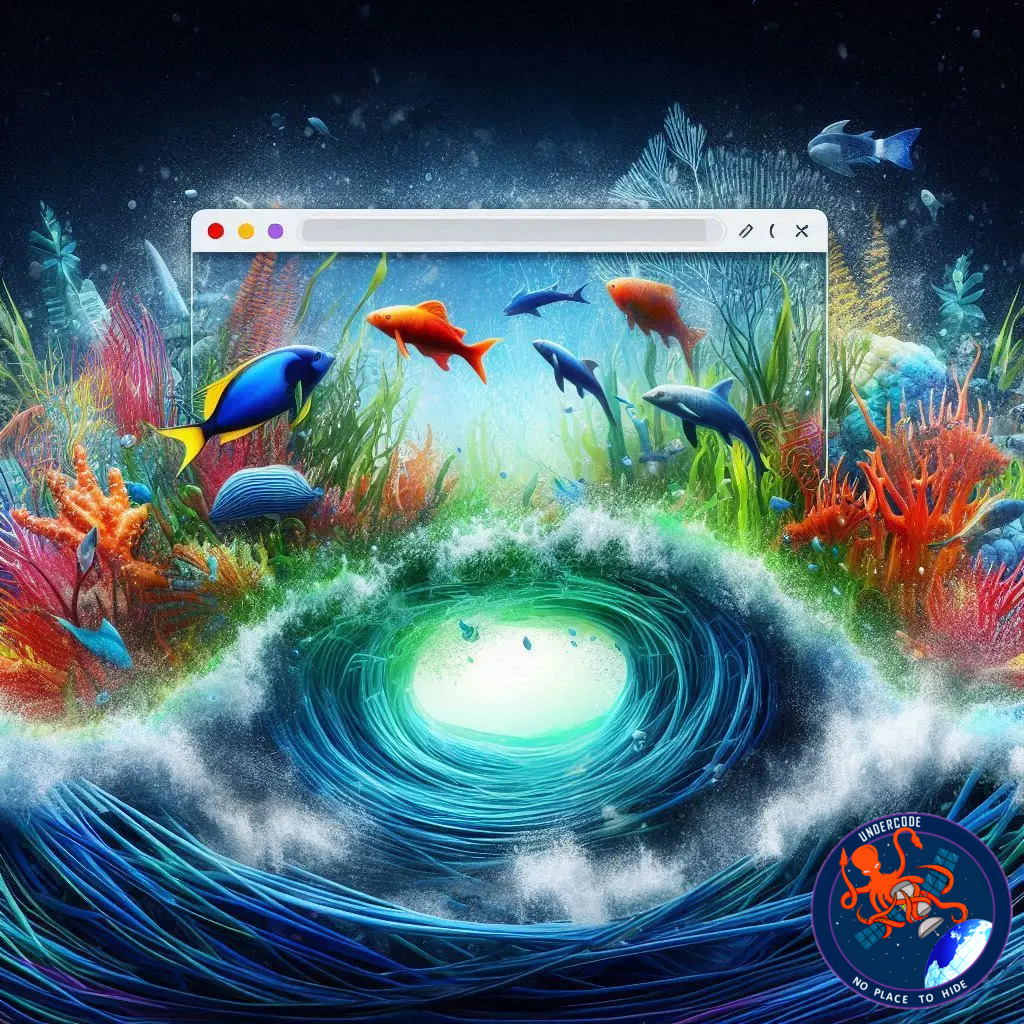
As our lives become increasingly digital, the environmental footprint of our online habits is growing in ways many users rarely notice. From constant connectivity to the energy-hungry data centers powering the web, every search, video, or tab open contributes to digital energy consumption and e-waste. While these impacts are invisible at the individual level, collectively they are significant. Choosing the right browser—a tool we use daily—can help reduce this footprint without altering how we work or surf the web. Wave Browser exemplifies this approach, offering modern browsing features while funding verified ocean cleanup efforts, proving that sustainable technology can be practical, seamless, and meaningful.
Why Eco-Friendly Browsing Matters
Most people associate environmental impact with transportation, food, or physical products, rarely considering the digital footprint of their online behavior. Browsers run continuously, consuming energy for tabs, background processes, ads, and trackers. Heavy or inefficient browsing can strain both devices and the larger internet infrastructure, contributing to unnecessary energy use. Eco-friendly browsers address these challenges by reducing digital waste while maintaining speed, functionality, and user comfort.
What Makes a Browser “Green”?
A green browser isn’t defined by a single feature. It combines responsible design, efficiency, and measurable environmental impact. Key characteristics include:
Optimized system resource usage
Tools that reduce unnecessary data loading
Minimal background processes
Transparent environmental initiatives
The goal is to integrate eco-consciousness into everyday browsing habits rather than requiring users to adopt new routines.
How Wave Browser Supports Eco-Friendly Browsing
Wave Browser merges modern browsing convenience with a commitment to environmental responsibility, following AppEsteem-certified software standards. Its eco-friendly approach focuses on reducing digital load and directly supporting verified ocean cleanup efforts.
Reducing Unnecessary Resource Usage
Wave Browser incorporates memory-saving tools, ad-blocking, and other utilities to reduce excess data requests and system strain. By eliminating the need for multiple third-party extensions, devices use less energy and maintain smoother performance.
Built-In Tools Instead of Extra Extensions
Rather than relying on multiple browser add-ons, Wave Browser integrates essential tools directly:
Quick-access sidebar for favorite sites
Productivity features like split view and reading lists
Tools to save and organize content internally
This integration reduces background activity and ensures a consistent, predictable browsing experience.
Browsing with Awareness, Not Disruption
Eco-friendly browsing should never feel restrictive. Wave Browser maintains a familiar interface while allowing users to:
Adjust privacy and browsing settings
Manage permissions for sites
Choose default search engines
Use Incognito Mode for private browsing
This ensures users can browse efficiently and consciously without friction.
Connecting Browsing to Real-World Impact
Wave Browser links digital efficiency to tangible environmental action. Through its Certified Cleanup Partnership with 4ocean, everyday browsing helps fund the removal of plastic from oceans, rivers, and coastlines. Users support professional cleanup operations, vessels, and equipment without extra effort. Monthly impact reports and a transparent homepage tracker show progress toward Wave’s 2028 goal of removing 300,000 pounds of ocean trash.
Eco Browsing Without Changing Habits
Sustainable technology often struggles due to friction—if it demands major behavior changes, adoption drops. Wave Browser eliminates this barrier, offering intuitive, fast, and modern functionality while quietly reducing digital energy usage and supporting environmental efforts.
Making More Sustainable Choices Online
Eco-friendly browsing is about scaling small, practical decisions. By choosing a browser that reduces unnecessary digital load, uses resources efficiently, and supports verified environmental projects, users can contribute to meaningful change without sacrificing performance. Wave Browser demonstrates that technology can serve both productivity and environmental responsibility, session by session.
What Undercode Say:
Wave Browser represents a notable shift in how we perceive digital sustainability. Most discussions about eco-conscious behavior focus on physical consumption or energy use in the home. Wave reframes the conversation by highlighting the hidden environmental cost of browsing, showing that even minor efficiencies in software design can scale into measurable ecological benefits.
The integration of built-in tools, ad-blocking, and memory-saving features is not just about convenience—it directly correlates to reduced energy usage. Each unnecessary background process removed is energy saved, not only on the user’s device but also in data centers supporting those requests. While this might seem incremental for a single user, widespread adoption could produce a significant reduction in energy consumption across millions of devices globally.
Wave’s partnership with 4ocean adds a layer of tangible accountability. Unlike abstract sustainability claims, users can track real-world impact via monthly reports and on-browser dashboards. This transparency enhances credibility and aligns user behavior with measurable outcomes. Linking digital actions to physical environmental progress also helps cultivate eco-conscious habits, turning routine browsing into a tool for advocacy and environmental change.
From a usability perspective, Wave Browser smartly avoids one common pitfall of green tech: friction. Requiring users to drastically alter their habits is often a barrier to adoption, yet Wave maintains intuitive design, speed, and functionality. Users continue to browse as normal while indirectly contributing to sustainability, highlighting a critical principle in behavioral design: the best eco-solutions are seamless and unobtrusive.
Technologically, Wave exemplifies a broader trend in software development: combining efficiency with impact-driven design. By incorporating productivity tools, ad blockers, and memory optimizations directly into the browser, Wave reduces reliance on third-party extensions, which often introduce inefficiencies, privacy risks, and additional energy costs. This design strategy not only benefits the environment but also strengthens security and reliability.
Economically, Wave Browser demonstrates that eco-conscious technology can be commercially viable. By offering a competitive, modern browsing experience while linking user activity to environmental benefits, Wave appeals to a growing demographic of socially responsible users. This approach could inspire broader adoption among other digital platforms, driving systemic changes in software development priorities toward sustainability.
The long-term implications extend beyond browser choice. As users become more aware of digital footprints and their environmental consequences, demand for eco-friendly tech solutions is likely to increase. Wave Browser could become a blueprint for future applications and services, demonstrating that sustainability and usability are not mutually exclusive.
Furthermore, Wave’s reporting and verification strategy could set industry standards. Transparency in environmental contributions fosters trust and accountability—critical elements in combating “greenwashing,” where companies exaggerate or misrepresent sustainability efforts. Verified impact, paired with user-friendly design, establishes a model where technology is both environmentally responsible and commercially appealing.
In conclusion, Wave Browser bridges a gap between digital convenience and ecological responsibility. By embedding sustainable practices into everyday tools, it transforms passive online behavior into a proactive force for environmental change. It’s a clear example of how small, thoughtful design choices can collectively generate measurable ecological impact, shaping the future of sustainable technology adoption.
Fact Checker Results:
✅ Wave Browser reduces digital energy usage through built-in efficiency tools.
✅ The browser partners with 4ocean for verified ocean cleanup projects.
❌ Eco-friendly browsing alone cannot offset larger industrial energy consumption.
Prediction 🌊
Wave Browser’s model could inspire a new wave of environmentally responsible software, where digital efficiency and verified impact become standard. By combining usability with measurable environmental contributions, browsers like Wave could normalize eco-conscious technology use, encouraging global adoption and potentially reducing millions of pounds of digital and physical waste by 2030.
🕵️📝✔️Let’s dive deep and fact‑check.
References:
Reported By: thehackernews.com
Extra Source Hub (Possible Sources for article):
https://www.quora.com/topic/Technology
Wikipedia
OpenAi & Undercode AI
Image Source:
Unsplash
Undercode AI DI v2
Bing
🔐JOIN OUR CYBER WORLD [ CVE News • HackMonitor • UndercodeNews ]
📢 Follow UndercodeNews & Stay Tuned:
𝕏 formerly Twitter 🐦 | @ Threads | 🔗 Linkedin | 🦋BlueSky | 🐘Mastodon


