Listen to this Post
2025-02-10
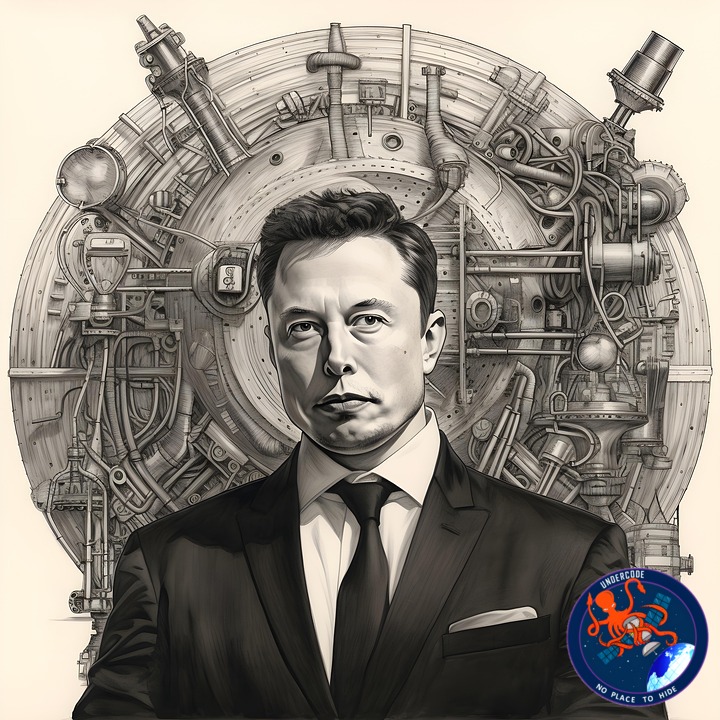
Elon Musk has made a bold move in the AI sector, offering to purchase the operational assets of OpenAI for an astounding $97.4 billion. This proposal could disrupt the rapidly growing AI landscape, and it’s a significant development that may reshape the future of artificial intelligence. Musk’s offer follows ongoing tensions with OpenAI’s leadership, particularly with CEO Sam Altman, who has been working on restructuring the company. Let’s take a closer look at the implications of this offer and what it means for the AI industry.
Summary:
Elon Musk has presented an offer of $97.4 billion to acquire the operational assets of OpenAI. This offer is seen as a direct challenge to OpenAI CEO Sam Altman, who has been involved in restructuring OpenAI by separating its nonprofit board from its for-profit entity. The future of this deal remains uncertain, as Altman has yet to agree to a transition price. Musk’s offer is part of his ongoing litigation against OpenAI, claiming the company has deviated from its original mission. Musk’s proposal is backed by his company, xAI, and several long-term investors. In response, Altman joked on X (formerly Twitter) that they might purchase Twitter for $9.74 billion instead. While Musk’s offer has generated widespread attention, there is no indication yet of whether the deal will proceed or if any formal agreements will be reached. The complexity of the situation deepens as it may be difficult to buy the nonprofit part of OpenAI due to its status, further complicating the future of AI regulation and ownership.
What Undercode Says:
Elon Musk’s $97.4 billion offer to acquire OpenAI’s operating assets may seem like another headline-grabbing stunt, but it highlights deeper issues within the company and the AI industry at large. Musk has long been a vocal critic of OpenAI, particularly since it transitioned from its nonprofit origins to a hybrid structure with a for-profit arm. This transformation, which Musk has accused OpenAI of betraying its initial mission, has paved the way for potential conflicts regarding the future direction of the company.
Musk’s move, while offering a hefty price tag, may not just be about money. Musk is leveraging this bid to make a larger statement about his vision for AI. He has repeatedly expressed concerns over the rapid pace of AI development, emphasizing safety and transparency. His purchase offer could be a strategic play to steer OpenAI—or at least its key assets—toward his values, which often prioritize caution and control over rapid, unchecked innovation.
However, the situation is far from straightforward. Sam Altman’s plan to restructure OpenAI by decoupling its nonprofit board from its for-profit division could face significant hurdles. If the board and Altman haven’t agreed on a transition price, it suggests that the company is still grappling with internal conflicts, which may undermine OpenAI’s growth and stability.
Musk’s involvement, especially backed by his own company, xAI, and several long-time investors, indicates that this is a highly strategic move rather than a simple acquisition. His interest in the assets rather than the nonprofit side of OpenAI could create a competitive bidding scenario, further complicating the negotiations. It’s important to note that buying OpenAI’s nonprofit arm may not even be feasible, as nonprofits don’t have shareholders, which creates legal and structural challenges.
From a larger perspective, Musk’s actions align with his broader philosophy on AI development and governance. Musk’s vision for AI has always focused on ensuring that technological advancements serve humanity’s best interests, a viewpoint that stands in contrast to OpenAI’s current path. His challenge of the nonprofit’s control over the company could signal a broader push for more regulatory oversight and a reevaluation of how AI companies are structured and held accountable.
In the wider tech and political landscape, Musk’s offer has also ignited a wave of interest. The Republican Party’s Hill leaders are reportedly eager to back Musk’s efforts, using the AI debate as a platform for potential government intervention in technology markets. This could signal the beginning of increased regulation or legislation aimed at controlling the direction of AI development, particularly as government funding deadlines loom in mid-March.
Ultimately, this saga is far from over. Whether
References:
Reported By: Axios.com_1739208904
https://www.digitaltrends.com
Wikipedia: https://www.wikipedia.org
Undercode AI: https://ai.undercodetesting.com
Image Source:
OpenAI: https://craiyon.com
Undercode AI DI v2: https://ai.undercode.help