
Listen to this Post
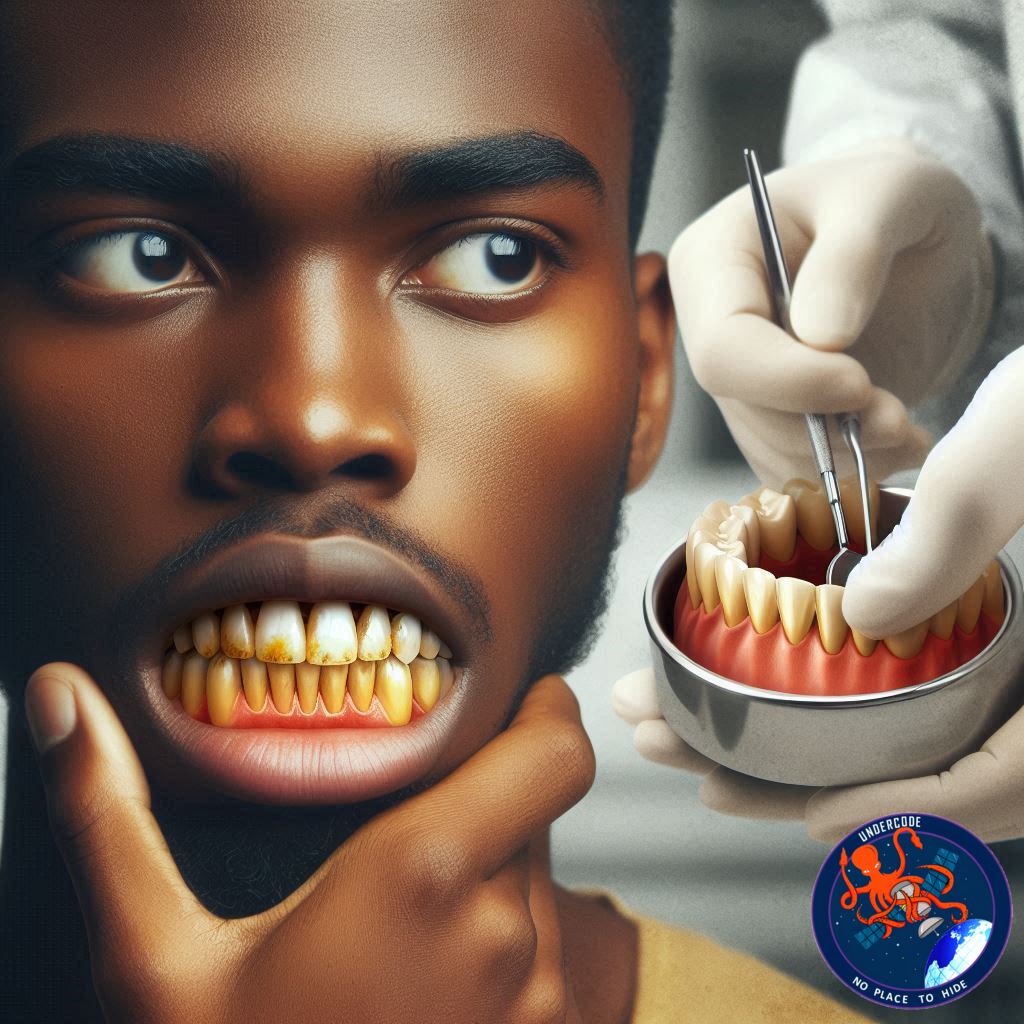
Introduction: When a Smile Quietly Starts to Change
A subtle shift in the mirror can reveal more than we expect. Teeth that once appeared bright suddenly look dull, slightly yellow, almost aged. Many mistake this for surface stains, blaming coffee, spices, or time. In reality, this change often signals something deeper and irreversible: enamel wear. Tooth enamel, the transparent yet powerful outer shield, is naturally white and protective. As it erodes due to daily habits or neglect, the yellow dentin underneath becomes visible. This is not a cosmetic issue that whitening strips can fix. Enamel does not regenerate. Once it thins, the damage is permanent, making enamel care one of the most overlooked yet critical aspects of oral health today.
Understanding Tooth Enamel and Its Role in Oral Protection
Enamel is the glossy, mineral-rich outer layer that covers each tooth. Composed of nearly 95 percent minerals, mainly hydroxyapatite, it is the hardest substance in the human body. Despite its strength, enamel has a major limitation. It contains no living cells, which means it cannot heal or repair itself once damaged. Its role is foundational: it protects teeth from cavities, sensitivity, decay, and daily wear caused by chewing, temperature changes, and acids. When enamel weakens, the entire tooth structure becomes vulnerable.
Low Awareness of Enamel Care in India
Despite enamel being essential to dental health, awareness around its care remains alarmingly low in India. Research indicates that only around 8 percent of the population understands the consequences of enamel erosion, while nearly 95 percent face risk due to diet, habits, and lifestyle. Common behaviors such as aggressive brushing, frequent consumption of acidic drinks, and constant snacking are widely normalized. These habits slowly erode enamel without immediate pain or visible damage. By the time symptoms like sensitivity or yellowing appear, enamel loss is already advanced. Dental data shows that nearly 27 percent of Indian patients exhibit signs of enamel erosion, highlighting a widespread yet largely ignored oral health concern.
How Enamel Erosion Happens Over Time
Enamel erosion is a gradual, silent process driven by repeated exposure to damaging factors. Excessive or forceful brushing is one of the most common causes, as scrubbing teeth harshly wears down enamel and irritates gums. Acidic foods and beverages such as citrus fruits, sodas, sports drinks, and tomato-based dishes lower the pH level in the mouth, weakening enamel over time. Frequent snacking, especially on sugary foods, prolongs acid exposure on tooth surfaces. Bruxism, or nighttime teeth grinding, creates mechanical stress that wears enamel unevenly. Poor oral hygiene allows plaque buildup, which produces acids that attack enamel continuously. The most concerning aspect is that early enamel erosion is usually painless, making prevention the only effective defense.
The Consequences of Ignoring Enamel Damage
When enamel thins, a cascade of problems follows. The underlying dentin becomes visible, giving teeth a yellow or aged appearance. Sensitivity to hot, cold, or sweet foods develops as protective insulation disappears. Over time, weakened enamel increases the risk of cavities, fractures, and even tooth loss. Beyond physical discomfort, enamel erosion affects confidence and quality of life. A compromised smile can influence social interactions, professional presence, and self-esteem. Oral pain can disrupt eating habits and daily comfort. Enamel protection is not merely a dental concern, it is closely tied to overall well-being.
Practical Steps to Protect and Strengthen Enamel
Caring for enamel does not require complex routines, only mindful consistency. Gentle brushing with a soft-bristled toothbrush helps clean teeth effectively without abrasion. Using light, circular motions is far safer than aggressive scrubbing. Limiting acidic and sugary foods reduces chemical wear, and rinsing the mouth with water after consumption helps neutralize acids. Timing also matters. Brushing should be avoided for at least 30 minutes after eating acidic foods, allowing saliva to restore pH balance. Staying hydrated boosts saliva production, which is the body’s natural defense against acid attacks. Regular dental check-ups allow early detection of enamel wear before irreversible damage occurs. Using toothpaste specifically formulated for enamel protection provides added reinforcement against daily erosion.
The Growing Importance of Enamel Awareness
In a country where dietary acids, sugar consumption, and brushing myths are widespread, enamel awareness must become a priority. Enamel is the unsung hero of oral health, silently protecting teeth every day without recognition. Once damaged, no treatment can restore it to its original state. Prevention, education, and habit correction are the only sustainable solutions. Caring for enamel is not optional. It is essential for preserving smiles, comfort, and long-term dental health.
What Undercode Say:
Enamel erosion represents a classic example of a modern health issue driven not by neglect alone, but by misinformation. Many people equate harder brushing with better hygiene, or believe cosmetic whitening equates to dental health. This disconnect is dangerous. Enamel loss operates beneath visibility, progressing quietly until damage becomes permanent. In India, dietary patterns rich in acids and sugars collide with aggressive brushing habits, creating the perfect conditions for erosion. What makes this issue critical is its irreversibility. Unlike cavities or gum inflammation, enamel does not offer a second chance. The dental industry often focuses on treatment rather than preservation, but the future of oral health lies in preventive education. Enamel care should be positioned as foundational, not optional. Products designed for enamel protection, combined with habit awareness, are not marketing luxuries but medical necessities. If public health messaging continues to ignore enamel erosion, the long-term cost will appear in rising dental sensitivity, cosmetic dissatisfaction, and avoidable tooth loss. Enamel protection is not about aesthetics alone, it is about structural integrity and lifelong oral resilience.
Fact Checker Results
Enamel is the hardest substance in the human body and cannot regenerate once lost. ✅
Acidic foods and aggressive brushing are proven contributors to enamel erosion. ✅
Tooth whitening can repair eroded enamel. ❌
Prediction
Awareness-driven enamel care is expected to become a central focus in preventive dentistry. 🦷
Demand for enamel-protective toothpaste and gentle oral care products will rise steadily. 📈
Dental health campaigns in India will increasingly shift from treatment to preservation. 🔍
▶️ Related Video (84% Match):
🕵️📝✔️Let’s dive deep and fact‑check.
References:
Reported By: timesofindia.indiatimes.com
Extra Source Hub (Possible Sources for article):
https://www.instagram.com
Wikipedia
OpenAi & Undercode AI
Image Source:
Unsplash
Undercode AI DI v2
Bing
🔐JOIN OUR CYBER WORLD [ CVE News • HackMonitor • UndercodeNews ]
📢 Follow UndercodeNews & Stay Tuned:
𝕏 formerly Twitter 🐦 | @ Threads | 🔗 Linkedin | 🦋BlueSky | 🐘Mastodon


