
Listen to this Post
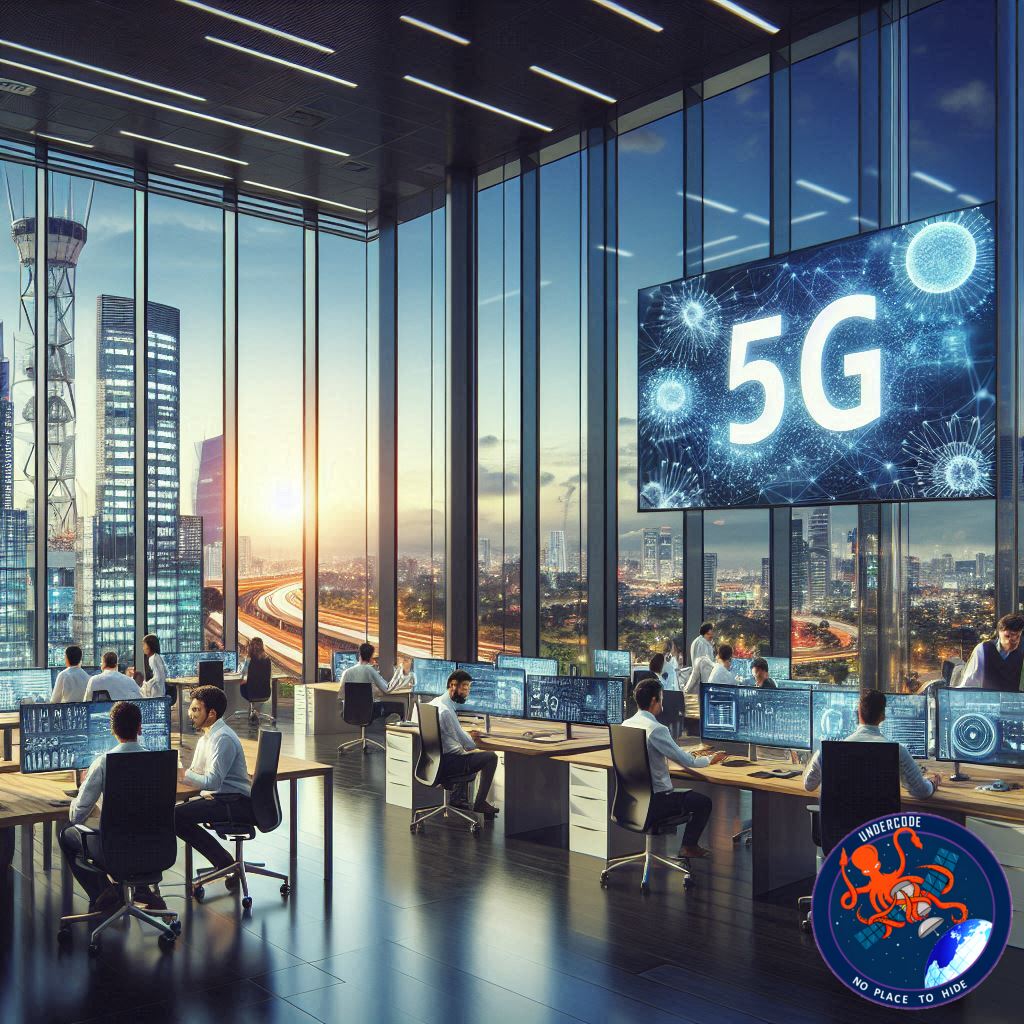
Ericsson has taken a decisive step in reinforcing India’s position in global telecom innovation by launching a new Radio Access Network (RAN) Software Research & Development unit in Bengaluru. This move not only highlights India’s growing prominence in next-generation connectivity solutions but also underscores Ericsson’s strategy to leverage local talent for global technological advancement. The new center will specialize in the development of advanced 5G features for Ericsson’s baseband systems, marking a pivotal expansion of the company’s R&D operations within the country.
Strategic Expansion into India’s Telecom Ecosystem
The Bengaluru R&D unit reflects Ericsson’s commitment to tapping into India’s deep pool of software engineering expertise. Nitin Bansal, Managing Director of Ericsson India, emphasized the significance of the initiative, noting that the center allows the company to harness Indian software talent while contributing to the nation’s telecom knowledge base. By situating the unit in Bengaluru, a city renowned for its tech ecosystem, Ericsson aligns itself with a hub of innovation critical for shaping the next generation of connectivity solutions.
Collaboration Across India and Beyond
The new center will work in close coordination with Ericsson’s global RAN software teams, complementing existing R&D hubs in Chennai and Gurugram. This collaboration ensures seamless integration of India-based innovations with the company’s worldwide technology roadmap. The scope of Ericsson’s India-based research spans multiple high-impact domains, including:
5G and 5G Advanced software development
ASIC development, recently expanded in June 2025
AI frameworks for 6G, developed in partnership with IIT Madras
Cyber-physical systems and edge computing, in collaboration with IIT Kharagpur and the Indian Statistical Institute
XR and Digital Twin technologies, partnered with Volvo and Airtel
Pioneering Local RAN Software Development
David Bjore, Head of RAN Software & Compute Platforms, highlighted the groundbreaking nature of this initiative: “For the first time, we’re developing this RAN software ourselves in India. This step not only supports the country’s tech ecosystem but also positions India as a contributor to global telecom solutions.” The Bengaluru unit signifies a new era where India is no longer just a technology adopter but a key innovator in next-generation networks.
What Undercode Say:
Ericsson’s move to establish a dedicated RAN software center in Bengaluru is a strategic maneuver with multiple layers of impact. Firstly, it signals a shift in global telecom R&D toward India, leveraging the country’s rapidly growing software talent pool. This decision reflects a broader trend in the industry: technology giants increasingly see India not only as a market but as a hub for innovation capable of contributing to global tech standards.
The focus on 5G and upcoming 6G AI frameworks positions Ericsson at the forefront of next-generation network development. Partnering with prestigious institutions like IIT Madras, IIT Kharagpur, and the Indian Statistical Institute enhances the center’s research credibility while ensuring access to cutting-edge academic expertise. These collaborations bridge industry-academia gaps, fostering innovations that are both theoretically robust and practically implementable.
Moreover, the inclusion of XR, Digital Twin, and edge computing research indicates Ericsson’s long-term vision beyond telecom hardware. By integrating AI, cyber-physical systems, and immersive technologies, Ericsson is preparing to offer a holistic digital infrastructure that addresses future enterprise and consumer demands.
From an economic perspective, the Bengaluru R&D center can accelerate the creation of high-skill jobs, boosting India’s tech ecosystem and creating a virtuous cycle of talent development. Strategically, it also mitigates risks associated with global R&D centralization, ensuring that India contributes not just to development but to core innovation in global telecom solutions.
The choice of Bengaluru is deliberate; the city’s concentration of software talent, startup culture, and established telecom ecosystem offers the perfect environment for rapid iteration and experimentation. Ericsson’s approach—combining local talent, global collaboration, and partnerships with top academic institutions—could serve as a blueprint for other technology companies seeking to deepen their footprint in India.
The emphasis on 5G Advanced software development suggests that Ericsson is aiming to capture early leadership in technologies that will define telecommunications in the next decade. Coupled with ASIC development and AI-driven network solutions, this positions the company not only to compete in current markets but to define the next generation of network architecture.
Finally, Ericsson’s initiative has broader implications for India’s role in the global telecom landscape. By taking on core RAN software development domestically, India transitions from being a manufacturing and implementation hub to a genuine contributor to high-tech research and innovation. This could attract further global investment, partnerships, and talent, reinforcing India’s reputation as a global innovation powerhouse.
Fact Checker Results:
✅ Ericsson has officially launched the RAN Software R&D unit in Bengaluru.
✅ Collaborations include IIT Madras, IIT Kharagpur, Indian Statistical Institute, Volvo, and Airtel.
❌ There is no public confirmation that the unit will develop hardware; focus is software and AI frameworks.
Prediction:
📊 Ericsson’s Bengaluru R&D center is likely to accelerate India’s influence in global 5G and 6G development.
📊 Expect significant advancements in AI-driven network optimization and XR-enabled telecom solutions within the next 3–5 years.
📊 India could emerge as a key exporter of telecom software innovations, attracting further multinational collaborations.
🕵️📝✔️Let’s dive deep and fact‑check.
References:
Reported By: timesofindia.indiatimes.com
Extra Source Hub (Possible Sources for article):
https://www.medium.com
Wikipedia
OpenAi & Undercode AI
Image Source:
Unsplash
Undercode AI DI v2
Bing
🔐JOIN OUR CYBER WORLD [ CVE News • HackMonitor • UndercodeNews ]
📢 Follow UndercodeNews & Stay Tuned:
𝕏 formerly Twitter 🐦 | @ Threads | 🔗 Linkedin | 🦋BlueSky | 🐘Mastodon


