
Listen to this Post
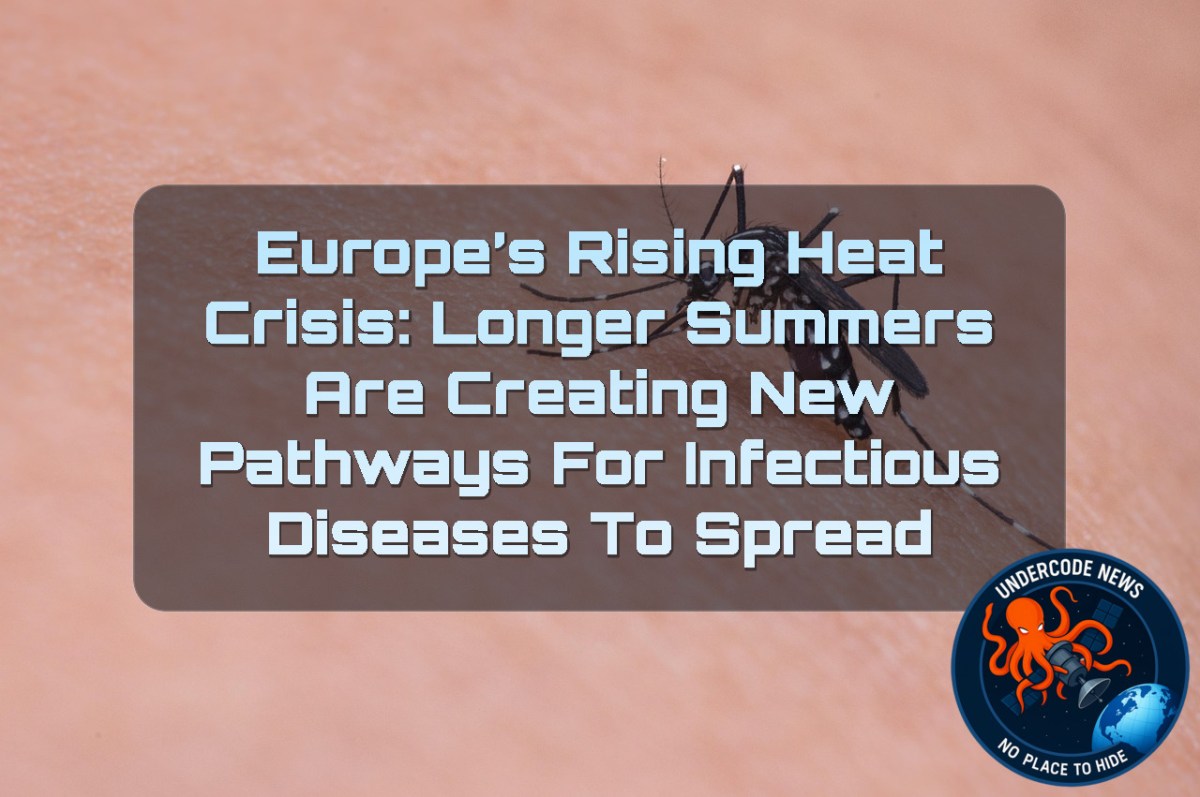 A Warming Continent Faces a Hidden Health Emergency
Europe’s summers are changing. What were once short periods of extreme heat are becoming longer, more intense seasons of elevated temperatures. While heatwaves dominate headlines because of their immediate dangers, health authorities are warning about a slower and more complex threat developing in the background: climate change is creating better conditions for infectious diseases to survive, expand, and reach new populations.
The European Centre for Disease Prevention and Control (ECDC) has warned that rising temperatures, increased humidity, and changing ecosystems are reshaping the landscape of infectious disease risks across the continent. Warmer conditions are allowing bacteria, mosquitoes, ticks, and waterborne pathogens to remain active for longer periods, increasing the possibility of outbreaks in regions where these threats were previously limited.
The agency emphasized that dealing with these challenges requires cooperation between healthcare systems, environmental organizations, agricultural sectors, and animal health experts. The future of disease prevention will depend not only on treating infections after they appear, but also on predicting where and when they are likely to emerge.
Climate Change Is Expanding Europe’s Disease Landscape
The connection between climate and infectious diseases is becoming increasingly visible. Higher temperatures influence everything from insect populations to bacterial growth rates in food and water environments.
According to health experts, warmer weather does not directly create diseases, but it changes the conditions that allow disease-causing organisms and disease-carrying species to survive and spread more efficiently.
Longer summers provide additional time for mosquitoes and ticks to reproduce. Warmer waters create environments where certain bacteria can multiply. Higher temperatures also increase the risk of food contamination because bacteria can grow faster when food is improperly stored.
The ECDC explained that modern public health systems must now consider climate patterns as a major factor in disease prevention strategies.
Foodborne Diseases: When Heat Turns Food Into a Health Risk
One of the most common summer-related health threats comes from foodborne illnesses. Rising temperatures create ideal conditions for harmful bacteria to multiply rapidly, increasing the risk of infections caused by contaminated food.
Bacteria such as Salmonella, Campylobacter, and other food-related pathogens can grow quickly when food is exposed to unsafe temperatures. The danger is that contaminated food may appear completely normal because changes in smell, taste, or appearance are not always noticeable.
The World Health Organization has highlighted that hot and humid weather can accelerate microbial growth, making proper food handling more important during warmer months.
Simple precautions remain among the most effective protections:
Safe Food Practices Become More Important During Hot Summers
Consumers can reduce foodborne disease risks by following basic hygiene measures.
Washing fruits and vegetables before consumption helps remove harmful contaminants. Keeping raw meat separate from ready-to-eat foods prevents cross-contamination. Cooking food thoroughly destroys many dangerous bacteria, while proper refrigeration slows bacterial growth.
As European summers become warmer and longer, food safety habits will become increasingly important for households, restaurants, and food suppliers.
The challenge is not only individual behavior. Governments and industries must also improve food storage systems, transportation standards, and monitoring programs to reduce climate-related risks.
Mosquito-Borne Diseases Are Moving Further North
Mosquito populations are among the clearest examples of how climate change is changing Europe’s health risks.
Longer warm seasons allow invasive mosquito species to establish themselves in areas where they were previously unable to survive. Warmer winters can also improve mosquito survival rates, allowing populations to expand year after year.
Diseases including dengue fever, chikungunya, and West Nile virus are becoming greater concerns for European health authorities.
West Nile virus transmission typically increases from late spring through autumn, with peak activity occurring between July and September. Recent cases have been reported in countries including Greece, Italy, North Macedonia, Romania, and Spain.
Preventing Mosquito Expansion Requires Community Action
Personal protection remains essential as mosquito populations grow.
Health experts recommend using insect repellents, wearing protective clothing, installing window screens, and using mosquito nets when necessary.
Air conditioning can also reduce exposure by allowing people to keep windows closed during periods of high mosquito activity.
Another important step is eliminating breeding locations. Mosquitoes can reproduce in small amounts of standing water, including containers, garden equipment, and poorly maintained outdoor areas.
Removing stagnant water around homes can significantly reduce mosquito populations at the local level.
Tick-Borne Diseases Are Becoming a Growing European Concern
Ticks are another major summer health concern. These small parasites are widespread across Europe and can transmit serious diseases when they become infected.
Ticks themselves do not cause illness, but certain species can carry bacteria and viruses that affect humans. Among the most concerning illnesses are Lyme disease and tick-borne encephalitis.
Lyme disease can cause long-term complications if not diagnosed and treated properly. Tick-borne encephalitis can affect the nervous system and may lead to severe health problems.
The European region records thousands of tick-borne encephalitis cases every year, making prevention efforts increasingly important.
Outdoor Protection Can Reduce Tick Infections
People spending time in forests, parks, and rural areas should take precautions.
Wearing long sleeves, using protective clothing, and staying on maintained paths can lower exposure risks. After outdoor activities, individuals should check their bodies carefully for ticks and remove them as quickly as possible.
Vaccination remains one of the most effective tools against tick-borne encephalitis in areas where the disease is present.
As climate change expands tick habitats, awareness among outdoor workers, hikers, and communities will become more important.
Warmer Seas Increase the Threat of Vibrio Bacteria
Another emerging concern is Vibrio bacteria, which thrive in warm coastal waters with moderate salt levels.
These bacteria can cause vibriosis, an infection that may occur after swimming in contaminated water or consuming contaminated seafood.
Although Vibrio infections remain relatively uncommon in Europe, health authorities have observed increasing cases in northern countries near the Baltic Sea.
Scientists believe extended heatwaves and rising sea temperatures are contributing factors behind this increase.
Coastal Communities Face New Climate-Driven Risks
People living near warm coastal areas may face greater exposure during extreme summers.
Health officials recommend avoiding swimming with open wounds, cuts, scratches, or recent piercings because damaged skin provides an easier entry point for bacteria.
Seafood safety is also critical. Proper cooking can significantly reduce the risk of infection from contaminated marine products.
The ECDC continues monitoring Vibrio activity through an interactive tracking system that provides updated information and forecasts.
Europe Needs a New Public Health Strategy for a Changing Climate
The rise of climate-related infectious diseases shows that public health cannot operate separately from environmental change.
Traditional disease surveillance focused mainly on known patterns and historical data. However, climate change is creating new conditions that require faster monitoring, improved forecasting, and stronger international cooperation.
Health experts argue that Europe must adopt a “One Health” approach, connecting human health, animal health, and environmental protection.
Diseases do not respect national borders. A mosquito population expanding in one country can eventually affect neighboring regions. A warmer sea can create risks far beyond the coastline where the bacteria first appear.
Preparing for these threats requires investment in technology, scientific research, healthcare infrastructure, and public awareness.
What Undercode Say:
Climate change is no longer only an environmental issue. It is becoming a cybersecurity-like challenge for global health systems because early detection, intelligence gathering, and rapid response are becoming essential.
The spread of infectious diseases across Europe demonstrates how interconnected modern risks have become.
A warmer climate acts as an accelerator. It does not invent new pathogens, but it creates better conditions for existing threats to expand.
Mosquitoes, ticks, and bacteria are responding to environmental changes faster than many public health systems can adapt.
The future battlefield is not only hospitals. It is also data centers, monitoring networks, laboratories, and environmental intelligence platforms.
Health agencies need advanced analytics to predict disease movement before outbreaks become widespread.
Artificial intelligence could play an increasing role by analyzing weather patterns, insect populations, travel activity, and medical reports.
Early warning systems could identify unusual disease patterns weeks before traditional reporting methods.
European governments should strengthen real-time surveillance systems that combine climate data with healthcare information.
The same principles used in cybersecurity, such as threat intelligence and continuous monitoring, can also improve disease prevention.
A delayed response can allow a digital attack to spread across networks. Similarly, a delayed health response can allow infections to spread across populations.
The ECDC’s warnings highlight that prevention is becoming more valuable than reaction.
Future public health systems will need stronger cooperation between scientists, governments, hospitals, and environmental experts.
Climate models should become a standard tool for predicting health emergencies.
Cities will need better planning, including mosquito control programs, improved water management, and stronger food safety systems.
The expansion of tropical diseases into Europe shows that geography is changing.
Regions that historically had lower risks may now face challenges similar to warmer climates.
Technology alone cannot solve the problem, but technology combined with preparation can reduce the impact.
The coming decades will test whether governments can adapt quickly enough.
The countries that invest in monitoring, education, and prevention today will likely experience fewer health consequences tomorrow.
Climate change is creating a new category of public health threats, and ignoring these signals could become increasingly costly.
Deep Analysis: Monitoring Climate-Driven Health Threats With Linux Tools
Checking Environmental Data Sources
curl -s https://example.com/weather-data.json | jq .
Use command-line tools to collect and analyze environmental information from monitoring systems.
Searching Disease Monitoring Logs
grep -i "mosquito|tick|vibrio" health-monitoring.log
Security and health analysts can search large datasets for emerging patterns.
Tracking System Updates
sudo apt update && sudo apt upgrade
Keeping monitoring systems updated reduces vulnerabilities in critical infrastructure.
Network Monitoring for Health Platforms
netstat -tulnp
Administrators can review active services supporting disease surveillance platforms.
Checking Server Performance During Outbreak Monitoring
top
Real-time resource monitoring helps ensure public health systems remain available during emergencies.
Data Analysis Pipeline Example
cat disease_data.csv | awk -F',' '{print $2}' | sort | uniq -c
Simple Linux data-processing methods can help identify trends in large datasets.
✅ The ECDC has warned that longer and warmer summers are increasing infectious disease risks across Europe.
✅ Mosquitoes, ticks, foodborne bacteria, and Vibrio bacteria are among the climate-sensitive health threats being monitored.
✅ Preventive measures such as hygiene, vaccination, protective clothing, and surveillance can reduce infection risks.
Prediction
(+1) Positive Outlook: Europe will likely expand climate-based disease monitoring systems, improving early detection and reducing the impact of future outbreaks.
Governments will invest more in predictive health technology and environmental surveillance.
Public awareness of mosquito, tick, and food safety risks will continue increasing.
International cooperation between health and environmental agencies will become stronger.
Warmer temperatures may continue expanding disease-carrying species into new European regions.
Countries with weaker healthcare infrastructure may face greater challenges responding to climate-related outbreaks.
Longer heat seasons could increase pressure on hospitals and public health systems.
Final Perspective: A Health Challenge That Requires Global Adaptation
Europe’s changing climate is reshaping the way societies must think about infectious diseases. The threat is no longer limited to traditional outbreak seasons or specific geographic regions.
Longer summers, warmer waters, and shifting ecosystems are creating new opportunities for pathogens and disease carriers to spread.
The solution will require preparation, scientific innovation, and cooperation across borders.
Climate change is creating a new health reality, and Europe’s response today will determine how effectively it protects communities in the future.
▶️ Related Video (78% Match):
🕵️📝Let’s dive deep and fact‑check.
🎓 Live Courses & Certifications:
Join Undercode Academy for Verified Certifications
🚀 Request a Custom Project:
Secure, high-velocity infrastructure and disruptive technological engineering. Contact our engineering team for high-tier development and proprietary systems:
[email protected]
💎 Smart Architecture | 🛡️ Secure by Design | ⭐ Trusted by Thousands
References:
Reported By: www.euronews.com
Extra Source Hub (Possible Sources for article):
https://www.github.com
Wikipedia
OpenAi & Undercode AI
Image Source:
Unsplash
Undercode AI DI v2
🔐JOIN OUR CYBER WORLD [ CVE News • HackMonitor • UndercodeNews ]
📢 Follow UndercodeNews & Stay Tuned:
𝕏 formerly Twitter 🐦 | @ Threads | 🔗 Linkedin | 🦋BlueSky | 🐘Mastodon | 📺Youtube


