
Listen to this Post
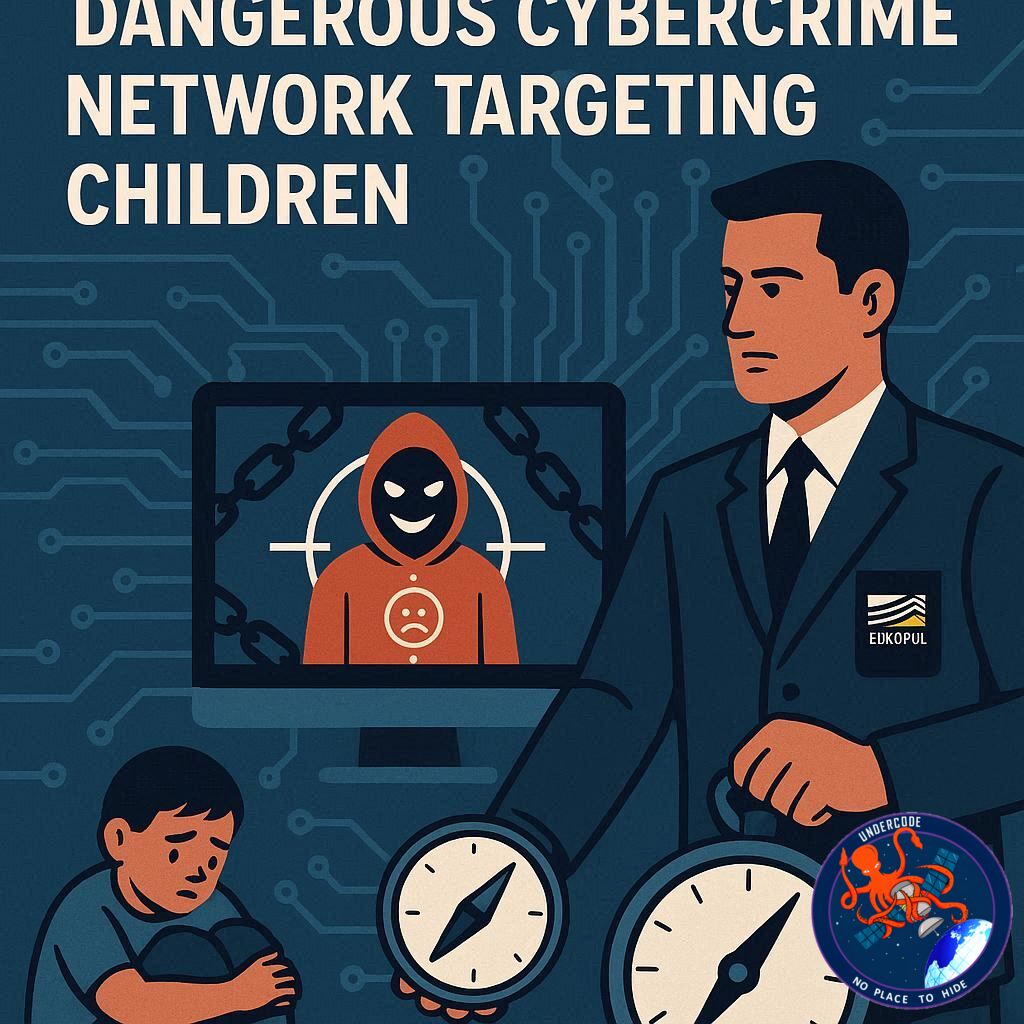
In a decisive move against online exploitation, Europol has concluded a yearlong operation, dubbed Project Compass, aimed at dismantling The Com, a notorious cybercrime network preying on children and teenagers. This large-scale, coordinated effort has not only disrupted criminal operations but also safeguarded victims across multiple countries, showcasing the growing international collaboration against digital threats.
The Rise and Reach of The Com
The Com is a decentralized cybercriminal network primarily composed of English-speaking individuals aged 16 to 25. Operating through social media, messaging apps, gaming platforms, and streaming services, the network has systematically recruited young people, leveraging their vulnerabilities for profit and coercion. Its members have been linked to a wide range of criminal activities, from attacking IT systems of British retailers to issuing bomb threats and pressuring teenage girls into self-harm.
Adding to its digital infamy, the network allegedly targeted premium users of Pornhub through the hacking collective ShinyHunters, which is tied to the broader Com network, including its affiliate Scattered Spider. This incident highlighted not only the sophistication of the group but also the real-world risks posed by interconnected cybercriminal ecosystems.
Project Compass: A Multinational Counteroffensive
Launched in January 2025, Project Compass brought together law enforcement agencies from 28 countries under the coordination of Europol’s European Counter Terrorism Centre. The initiative achieved substantial operational outcomes, including the safeguarding of four victims and the arrest of 30 perpetrators. Investigators successfully identified or partially identified 62 victims and 179 suspects.
Beyond arrests, Project Compass also focused on prevention and awareness. The operation conducted nine joint awareness campaigns, strengthening cross-border collaboration and enabling quicker responses to emerging threats. By sharing intelligence and coordinating investigations, participating countries closed gaps that such networks had previously exploited.
The Human and Digital Impact
Anna Sjöberg, Head of Europol’s European Counter Terrorism Centre, emphasized the importance of early intervention. “These networks deliberately target children in the digital spaces where they feel most at ease. Project Compass allows us to intervene earlier, safeguard victims, and disrupt those who exploit vulnerability for extremist purposes,” she stated. The operation underscores the necessity of international cooperation in combating online crime and protecting the most vulnerable users.
What Undercode Say:
The success of Project Compass illustrates how multinational coordination can neutralize highly adaptive, decentralized cybercrime networks. The Com’s structure, operating across multiple platforms and relying on young perpetrators, presents unique challenges for law enforcement. Decentralization makes individual nodes hard to trace, while recruitment strategies exploit psychological manipulation, making traditional detection methods less effective.
Project Compass demonstrates that blending real-world intelligence with digital forensics is critical. By identifying victims early, authorities can mitigate harm and dismantle recruitment pipelines before exploitation escalates. Additionally, the operation highlights the importance of understanding criminal subcultures; English-speaking youth networks, often overlooked, are capable of significant harm when interconnected globally.
From a broader perspective, the targeting of premium users of adult platforms shows that cybercriminal networks are not confined to youth exploitation—they diversify their activities for financial gain, often using the same techniques across multiple victim groups. The collaboration across 28 countries has also set a precedent for future operations, proving that shared data, rapid response, and structured communication can disrupt even the most agile online networks.
Ultimately, Project Compass provides a blueprint for combating cybercrime: integrate prevention, enforcement, and education. Awareness campaigns reduce the likelihood of victimization, while arrests and intelligence gathering prevent future operations. For tech platforms, the lesson is clear: strengthening monitoring, reporting, and user protection mechanisms is essential in a digitally connected world where exploitation can spread faster than any single country can respond.
Fact Checker Results:
✅ Europol coordinated Project Compass with 28 countries.
✅ 30 perpetrators were arrested, and four victims safeguarded.
❌ Claims regarding the total number of victims remain partially unverified.
Prediction:
📊 The dismantling of The Com may trigger fragmentation, leading to smaller, harder-to-track networks. However, the international cooperation model of Project Compass is likely to become standard for future cybercrime interventions. With awareness campaigns and platform-level safeguards, early victim identification will improve, reducing exploitation incidents globally. This could signal a shift toward proactive, intelligence-driven cybersecurity strategies.
▶️ Related Video (90% Match):
🕵️📝✔️Let’s dive deep and fact‑check.
References:
Reported By: securityaffairs.com
Extra Source Hub (Possible Sources for article):
https://www.reddit.com/r/AskReddit
Wikipedia
OpenAi & Undercode AI
Image Source:
Unsplash
Undercode AI DI v2
Bing
🔐JOIN OUR CYBER WORLD [ CVE News • HackMonitor • UndercodeNews ]
📢 Follow UndercodeNews & Stay Tuned:
𝕏 formerly Twitter 🐦 | @ Threads | 🔗 Linkedin | 🦋BlueSky | 🐘Mastodon


