
Listen to this Post
Introduction
ExxonMobil, one of the world’s largest and most influential oil giants, has unveiled a five-year corporate outlook that signals not just growth but strategic innovation. The latest projections reveal the company’s ambitions to leverage technology, expand production, and selectively pivot toward low-carbon opportunities. This report outlines key takeaways from Exxon’s plan, offering insight into the future of oil, AI in energy, and the evolving energy market.
Exxon’s Earnings and Production Outlook
Exxon now anticipates $25 billion in earnings growth through 2030, a $5 billion increase over its previous guidance. The company plans to boost oil and gas production to 5.5 million barrels of oil-equivalent per day, largely driven by efficiencies in the Permian Basin and other operational improvements. Since emerging from the pandemic, Exxon’s market performance has consistently outpaced many of its peers, showcasing resilience in a volatile sector.
AI and Technological Advancements
Exxon is positioning itself as a leader in applying artificial intelligence to oil recovery. CFO Kathy Mikells highlighted the company’s proprietary AI tools that optimize well data, improving resource recovery while reducing capital expenditure. This approach not only maximizes net present value but also sets Exxon apart from competitors still in earlier stages of AI integration. While climate advocates raise concerns about prolonging fossil fuel dependence, the efficiency gains are undeniable.
Low-Carbon Initiatives: Scaling Back and Pivoting
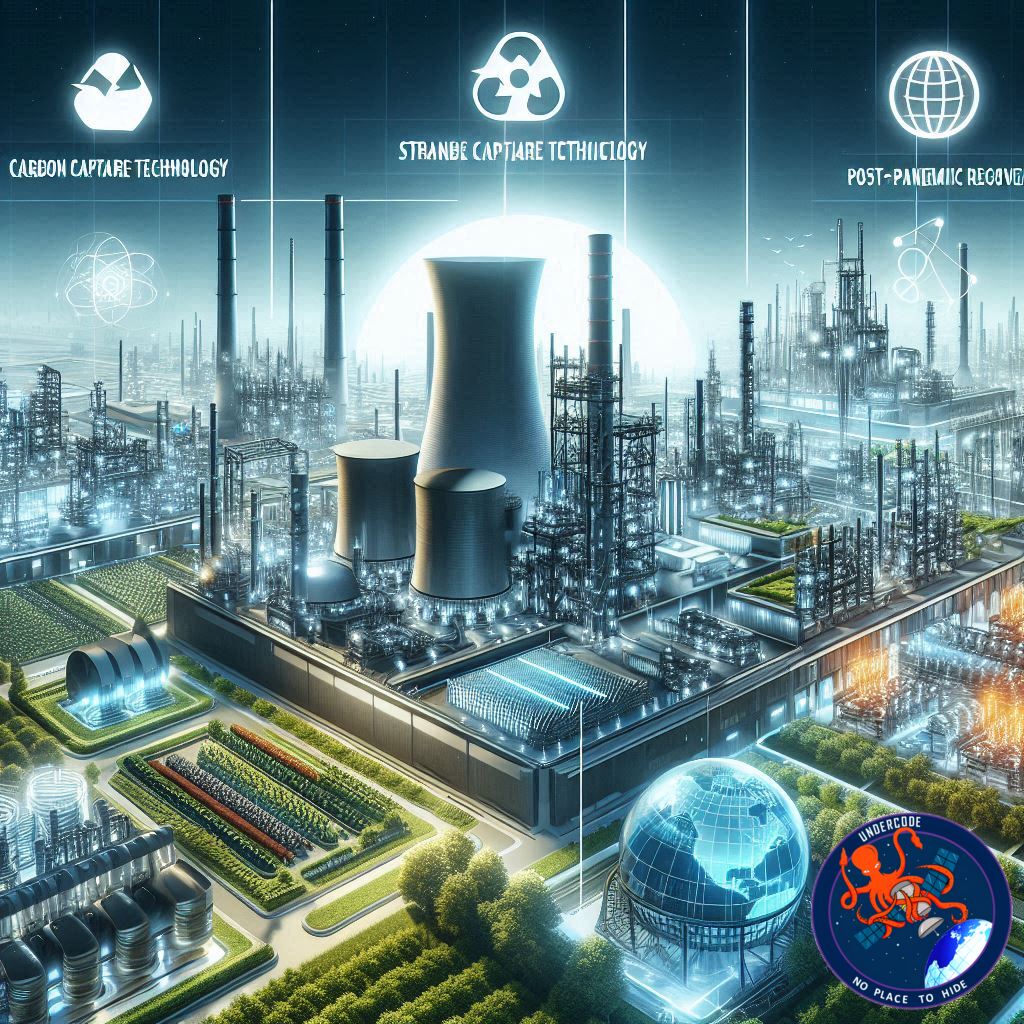
Exxon has reduced its planned investment in low-carbon initiatives from $30 billion to $20 billion by 2030. This follows the delay of a major hydrogen project in Texas. However, the company remains optimistic about carbon capture and storage (CCS), which it sees as a rapidly growing market. Mikells noted that while hydrogen adoption has been slower than expected, CCS opportunities are accelerating, reflecting a pragmatic approach to low-carbon investment.
Data Centers and Gas-Fired Power Plants
Exxon revealed plans for gas-fired power plants in Louisiana and Mississippi to supply data centers, with the potential to capture CO2 using its existing transport and storage infrastructure. CEO Darren Woods emphasized ongoing talks with tech giants and energy companies, including a partnership with NextEra Energy. Although it remains unclear if these plants will immediately implement CO2 capture, the strategy aligns with growing demand for low-carbon power in the tech sector.
Market Perception and Industry Implications
Exxon’s continued growth in the Permian Basin contrasts with other oil majors’ shift to “harvest mode,” as noted by HSBC analyst Kim Fustier. The market responded positively, with Exxon shares rising 2% following the announcement. This outlook underscores Exxon’s confidence in its operational efficiency, strategic technology use, and selective low-carbon initiatives as competitive advantages.
What Undercode Say:
Exxon’s strategy signals a sophisticated balancing act between traditional oil growth and selective low-carbon innovation. By leveraging AI, the company is enhancing recovery rates and reducing capital needs—a move likely to sustain profit margins even amid fluctuating oil prices. The focus on the Permian Basin suggests Exxon still sees untapped potential in mature oilfields, contrasting with industry peers prioritizing cost-cutting or plateauing production.
Investments in CCS and targeted hydrogen projects indicate a cautious but forward-looking approach to decarbonization. While reducing hydrogen spending may appear conservative, the rapid CCS development provides a pragmatic pathway to meeting emission goals without compromising financial returns. This selective pivot could also position Exxon as a preferred partner for tech companies seeking low-carbon power solutions.
Exxon’s exploration of gas-fired plants for data centers is particularly noteworthy. It reflects a hybrid strategy, combining traditional fossil fuel infrastructure with emerging low-carbon technologies. If successful, this approach could establish a template for other energy companies aiming to meet corporate sustainability demands while maintaining profitability.
The market reaction suggests investors appreciate both the financial upside and the technological innovation embedded in the strategy. However, the reliance on AI to maximize oil recovery may draw scrutiny from environmental groups, potentially shaping regulatory responses in the next decade. Exxon’s ability to navigate these competing pressures will likely define its role as a leader in energy transition.
Operationally, the efficiency improvements in the Permian Basin and other fields could provide a buffer against geopolitical risks and supply chain disruptions, further reinforcing Exxon’s competitive positioning. Their approach also signals confidence in oil demand enduring through the next decade, challenging narratives of imminent peak oil scenarios.
Strategically, Exxon’s model emphasizes selective innovation over broad-scale green energy bets, prioritizing financial stability and technological leverage. This dual focus—sustaining traditional oil revenue while gradually integrating CCS—may offer a more resilient long-term growth trajectory compared to rivals pursuing aggressive renewable expansion.
The firm’s engagement with hyperscalers and power companies also positions it as a critical intermediary between fossil fuel energy and corporate sustainability goals. Such partnerships could accelerate adoption of low-carbon technologies and enhance Exxon’s brand credibility in a world increasingly focused on ESG standards.
In sum, Exxon is projecting confidence, leveraging AI, and cautiously scaling low-carbon technologies to create a multi-decade growth story. The company demonstrates that energy transition and oil profitability need not be mutually exclusive, provided technological and strategic execution remain precise.
Fact Checker Results:
✅ Exxon expects $25 billion earnings growth by 2030, up from prior guidance.
✅ AI applications are being used for improved oil recovery in-house.
❌ Planned hydrogen projects are not fully abandoned, only delayed.
Prediction 📊
Exxon is likely to maintain its leadership in oil production efficiency while selectively growing its low-carbon portfolio. AI-driven recovery could give it a competitive edge, and CCS-focused projects may attract tech-sector partnerships. Share prices may trend upward modestly as investors value technological innovation combined with financial prudence. In the next five years, Exxon could emerge as a hybrid model of traditional energy dominance and cautious, scalable decarbonization initiatives.
🕵️📝✔️Let’s dive deep and fact‑check.
References:
Reported By: axioscom_1765376730
Extra Source Hub (Possible Sources for article):
https://www.stackexchange.com
Wikipedia
OpenAi & Undercode AI
Image Source:
Unsplash
Undercode AI DI v2
Bing
🔐JOIN OUR CYBER WORLD [ CVE News • HackMonitor • UndercodeNews ]
📢 Follow UndercodeNews & Stay Tuned:
𝕏 formerly Twitter 🐦 | @ Threads | 🔗 Linkedin | 🦋BlueSky | 🐘Mastodon


