
Listen to this Post
Introduction: Understanding Meta’s Next Moves
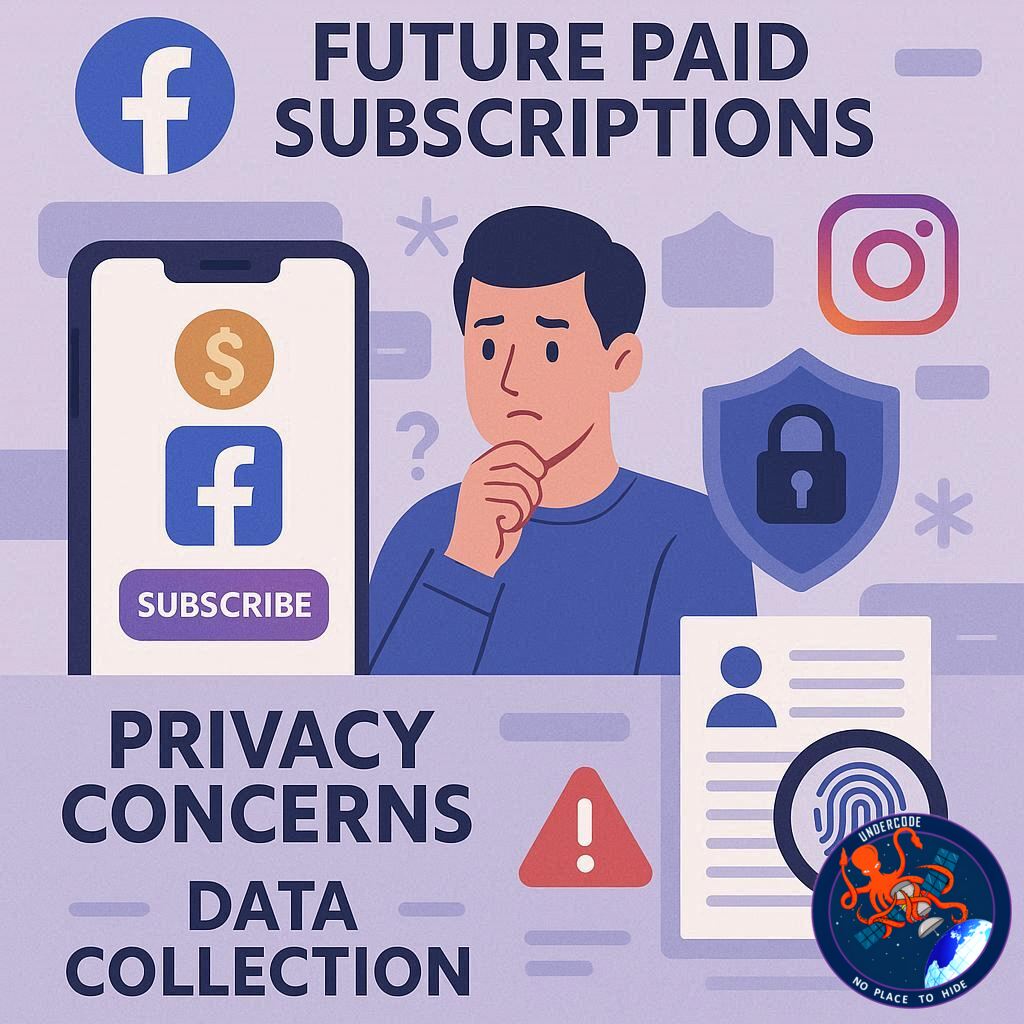
Facebook and Instagram are evolving rapidly, with Meta introducing a range of updates that could redefine how users interact with these platforms. From optional ad-free subscriptions in the UK to new privacy features, parental controls, and an internal app store, Meta is clearly trying to maintain its dominance in social media while monetizing its vast user base. However, these changes also raise important questions about privacy, data collection, and user choice.
UK Users Can Pay to Remove Ads
Meta recently announced that UK users of Facebook and Instagram will have the option to subscribe to an ad-free experience. While this might seem appealing to many, it’s worth considering whether paying to avoid ads truly solves the underlying issues of data collection and targeted advertising. For some, the cost may not justify the benefits, especially when user data will likely still be collected in other ways.
Deleting Your Facebook Posts Made Easy
For those concerned about digital footprints, Meta has outlined straightforward ways to delete all your Facebook posts. This move empowers users to regain control over past activity, but it also highlights the platform’s ongoing struggle with privacy management and user trust.
Meta’s Link History Feature and Privacy Questions
Meta introduced a “Link History” feature claiming it allows users to prevent certain data collection. Despite this promise, security experts caution that toggling this feature off may not fully protect your privacy. The new functionality may limit tracking to some extent, but the company’s broader data collection infrastructure remains largely intact.
Expanding Data Collection Through New Devices
The launch of Meta Quest 3 and Ray-Ban smart glasses illustrates Meta’s expanding ecosystem of hardware designed to capture more user data. Every interaction on these devices could feed the company’s ad algorithms, raising questions about how much personal information is being gathered and how securely it is stored.
Spotting Hoax Posts in Facebook Groups
A surge in fraudulent posts within Facebook groups has been reported, indicating that misinformation remains a significant problem. Users are advised to carefully verify content and avoid sharing suspicious posts to minimize the spread of hoaxes.
Facebook Messenger Loses SMS Integration
On September 28, 2023, Facebook Messenger will discontinue support for SMS messaging. While this may streamline the app, it reduces flexibility for users who rely on SMS integration, further pushing them toward Meta’s in-app messaging ecosystem.
Parental Controls: Progress with Limitations
Meta recently rolled out updated parental controls for Facebook. Although these tools are an improvement, they reveal that social media companies often struggle to balance user safety with business incentives. Parents may find some protections useful, but Meta’s responsibility in enforcing a safe environment remains questionable.
Facebook App Store Ambitions
Meta plans to launch an internal app store within Facebook, allowing users to download apps directly through ads. This move positions Meta as a competitor to Apple’s App Store and Google Play, creating a new revenue stream while potentially increasing user engagement within the platform.
What Undercode Say:
Meta’s trajectory clearly shows a dual focus on monetization and user retention, but it raises several critical concerns. Offering ad-free subscriptions may seem like a user-centric move, yet it does little to address deeper privacy issues. Even with Link History and enhanced parental controls, the company’s data collection practices remain pervasive. The Meta Quest 3 and Ray-Ban smart glasses demonstrate that hardware expansion is a key part of Meta’s strategy, providing new avenues for collecting personal data that could further fuel targeted advertising.
Moreover, discontinuing SMS support in Messenger nudges users toward more controlled in-app communication, which could increase reliance on Meta’s ecosystem. Similarly, the internal app store reflects Meta’s ambition to compete directly with tech giants, but it also centralizes user activity and data collection even further. Scam posts in groups highlight ongoing vulnerabilities to misinformation, suggesting that while Meta innovates, security and authenticity measures lag behind.
Meta’s approach seems to blend convenience with subtle coercion: users can pay for certain experiences, but they remain subject to data harvesting and platform-specific constraints. Parents may benefit from new controls, but overall platform accountability is still weak. The core tension lies between user empowerment and corporate monetization, and it’s unclear whether Meta’s future updates will genuinely prioritize privacy over profit.
While these developments are impressive from a tech and business standpoint, they underscore the importance of digital literacy. Users need to understand that convenience often comes at the cost of personal data, and skepticism toward platform promises is warranted. Meta’s strategy is ambitious but not fully transparent, meaning that even proactive users must carefully manage their online presence.
Overall, Meta’s innovations reflect a careful balance of retaining user engagement, driving new revenue streams, and maintaining control over the digital ecosystem. Yet, the overarching issue remains trust: can users fully rely on Meta to safeguard their information while simultaneously seeking profit from it? Until this balance is achieved, every new feature must be scrutinized for hidden compromises between convenience, control, and privacy.
Fact Checker Results
- Meta confirmed ad-free subscriptions for UK users, but exact rollout dates are pending. ✅
- Link History feature may reduce some data collection but does not fully prevent tracking. ⚠️
- SMS support in Messenger will end on September 28, 2023, as officially announced. ✅
Prediction
Meta’s internal app store could reshape app distribution, potentially challenging Apple and Google, while increasing ad revenue. However, privacy concerns will remain a central friction point, with savvy users likely seeking alternatives or protective measures. Expect gradual adoption of paid subscriptions among users frustrated by ads, but widespread reliance on ad-free experiences may remain limited unless privacy improvements are more substantial.
If you want, I can also rewrite it in an even punchier, more clickbait style with stronger SEO hooks to make it highly engaging for online readers. Do you want me to do that?
🕵️📝✔️Let’s dive deep and fact‑check.
References:
Reported By: www.techradar.com
Extra Source Hub:
https://www.facebook.com
Wikipedia
OpenAi & Undercode AI
Image Source:
Unsplash
Undercode AI DI v2
🔐JOIN OUR CYBER WORLD [ CVE News • HackMonitor • UndercodeNews ]
📢 Follow UndercodeNews & Stay Tuned:
𝕏 formerly Twitter 🐦 | @ Threads | 🔗 Linkedin | 🦋BlueSky | 🐘Mastodon


