
Listen to this Post
Introduction
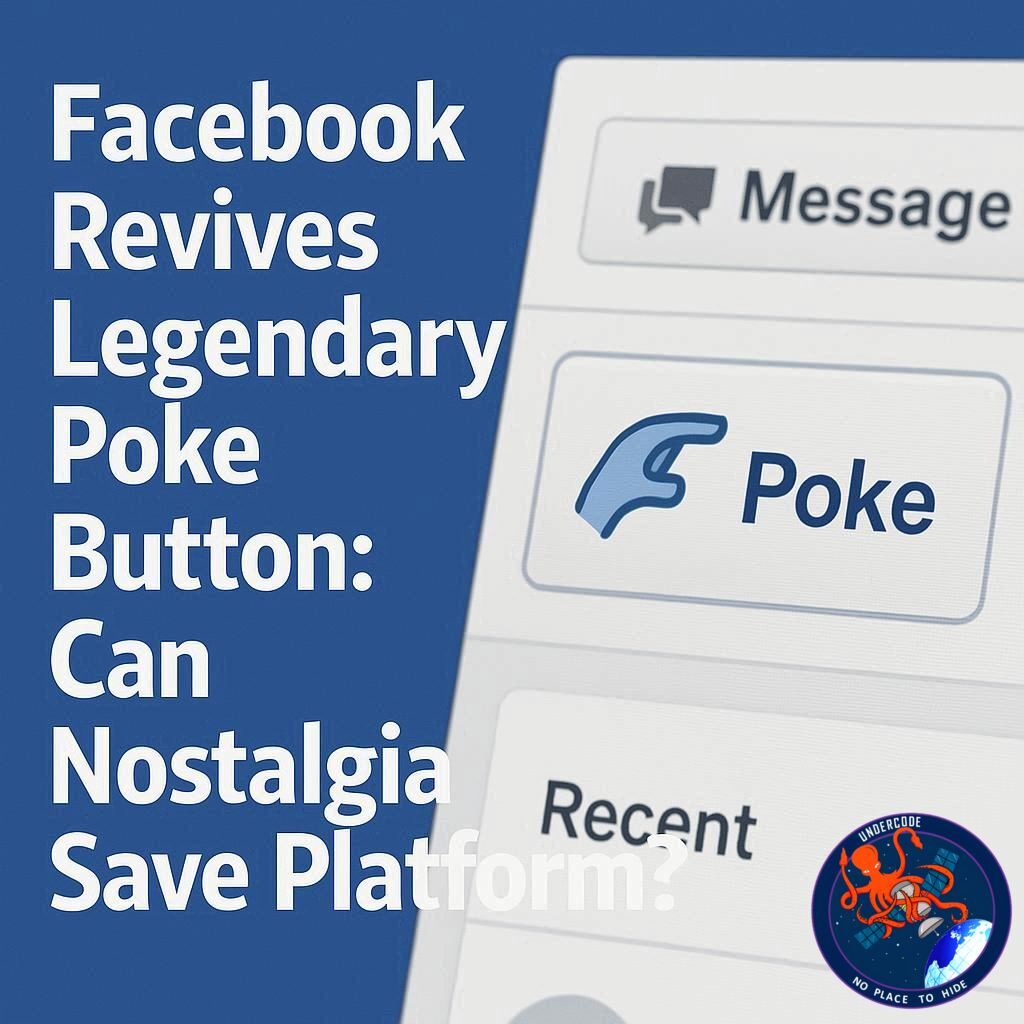
Facebook is betting on nostalgia to win back the younger generation. One of the platform’s quirkiest and most iconic features—the “Poke” button—is making a major comeback after more than two decades. Once a simple, almost cryptic way to nudge someone online, the feature is being reintroduced as part of Facebook’s strategy to strengthen user connections and reclaim relevance among younger demographics. With declining growth in new user sign-ups, the move signals Meta’s intent to reconnect with the social DNA that once made Facebook the most exciting place on the internet.
The Return of the “Poke” Button
Facebook announced that the poke never truly disappeared, but it’s now returning in a bigger, more interactive form. Users will have access to a dedicated page showing their “Pokes-count,” tracking who poked them and allowing them to poke back with ease. This revival comes after Facebook reported a 13x surge in poke usage last year, suggesting that despite its age, the feature still resonates.
The redesign aims to make pokes more central to the platform’s experience, not just a hidden option. With over one-third of the global population logging into Facebook at least once a month, the company is seeking to remind users why the platform was once so addictive—not just for news and memes, but for personal, playful connections.
Zuckerberg’s Push for “OG” Facebook
Earlier this year, Meta CEO Mark Zuckerberg revealed his vision of reviving original (“OG”) Facebook features. In his words, the goal is to rebuild the “joyful experiences” that once defined the platform but have largely vanished in today’s algorithm-heavy social feeds.
Zuckerberg highlighted that Facebook’s main feed has shifted to showing recommended content from accounts users don’t follow, often drowning out posts from friends. To counter this, he announced the return of the “Friends” tab and hinted at restoring other lost elements.
During a podcast interview, Zuckerberg explained that these “forgotten features” still hold value because no other platform recreated them in the same way. His strategy is clear: tap into nostalgia while modernizing old tools to stand out in a crowded social media landscape.
What Undercode Say:
Facebook’s attempt to bring back the poke is both a gamble and a clever psychological play. On one hand, it taps into nostalgia marketing, reminding long-time users of the quirky fun that made Facebook unique. On the other, it tries to lure Gen Z and younger millennials who may see the poke as retro-cool, similar to how vinyl records or flip phones have made comebacks.
The real challenge lies in execution. Social media habits have shifted dramatically. Platforms like TikTok and Instagram thrive on short-form, video-driven content, while Facebook is often seen as a place for older demographics. Reintroducing the poke may bring curiosity, but will it create long-term engagement? That depends on how Meta integrates the feature into the broader ecosystem.
From a business perspective, this move is less about the poke itself and more about Zuckerberg’s broader strategy. By reintroducing old features, Meta is signaling that Facebook must reclaim its identity as a social hub for genuine interactions, rather than just an endless scroll of algorithmic recommendations.
Interestingly, the surge in poke usage last year suggests that users are hungry for simple, direct interactions. In an age of complex engagement metrics, filters, and recommendation systems, the poke feels refreshingly human—like a digital nudge to say, “Hey, I’m here.”
However, the feature also risks being dismissed as irrelevant if it’s not paired with innovations that match today’s user expectations. To truly succeed, Facebook will need to modernize the poke—perhaps gamifying it, integrating it with stories or reels, or using it as a bridge to richer conversations.
For younger users, the poke may represent an entry point into Facebook. For older users, it’s a reminder of the platform’s playful beginnings. The intersection of these two audiences could give Facebook the cultural spark it desperately needs.
Ultimately, the poke is symbolic. It’s not just a button—it’s Zuckerberg’s test case for whether Facebook can revive its original magic while staying relevant in today’s hyper-competitive social media battlefield. If it works, we may see a wave of other “OG” features returning, reshaping Facebook into something both familiar and fresh.
🔍 Fact Checker Results
✅ The “Poke” button never fully disappeared but was hidden in menus.
✅ Facebook confirmed a 13x spike in poke usage last year.
❌ It is not yet clear if pokes will be integrated into other features like reels or stories—this remains speculative.
📊 Prediction
The poke revival will likely trigger an initial surge of curiosity and engagement, especially among nostalgic users. However, its long-term success will depend on whether Facebook evolves the feature beyond a gimmick. Expect Meta to experiment with gamification, notifications, and cross-platform integration to keep the poke alive. If successful, it could pave the way for a broader retro-Facebook revival, blending old-school charm with modern social media dynamics.
🕵️📝✔️Let’s dive deep and fact‑check.
References:
Reported By: timesofindia.indiatimes.com
Extra Source Hub:
https://www.stackexchange.com
Wikipedia
OpenAi & Undercode AI
Image Source:
Unsplash
Undercode AI DI v2
🔐JOIN OUR CYBER WORLD [ CVE News • HackMonitor • UndercodeNews ]
📢 Follow UndercodeNews & Stay Tuned:
𝕏 formerly Twitter 🐦 | @ Threads | 🔗 Linkedin | 🦋BlueSky | 🐘Mastodon


