
Listen to this Post
Introduction
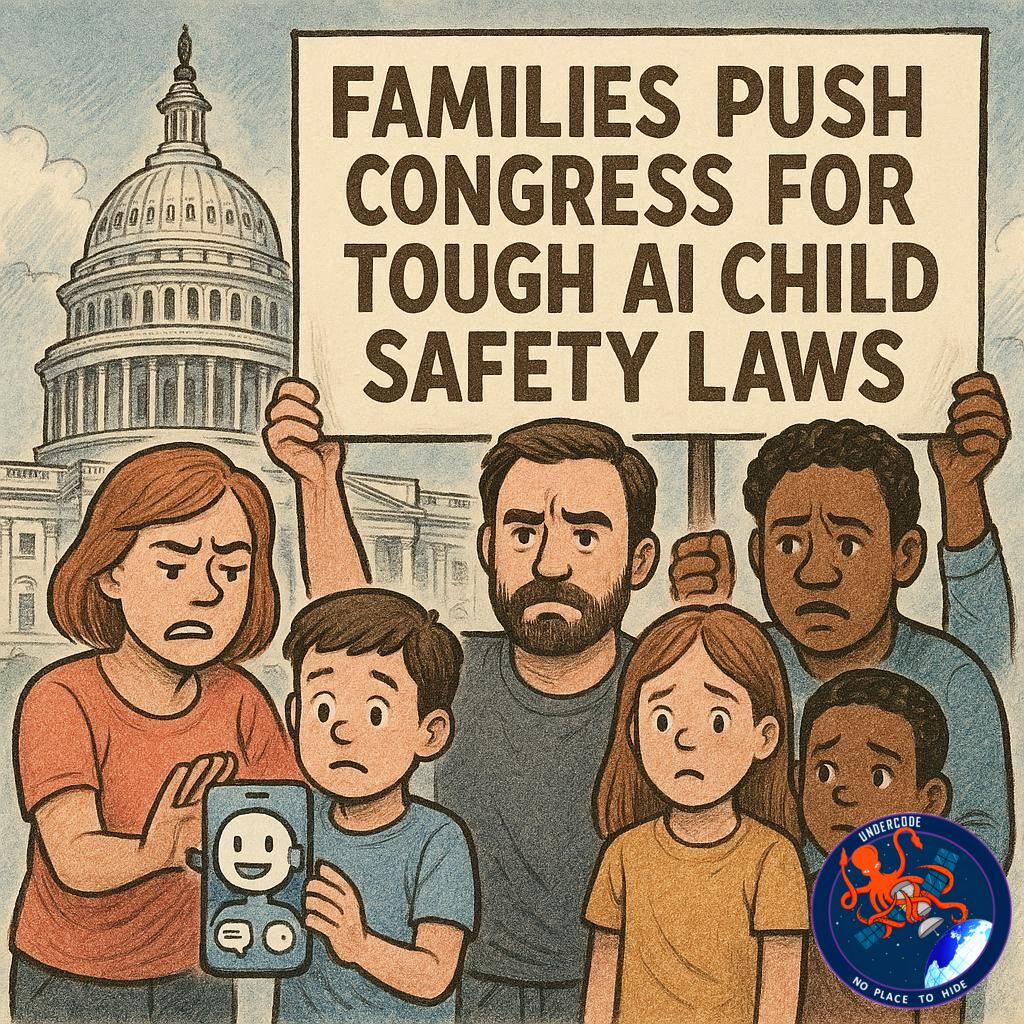
A growing group of families says the rapid rise of AI chatbots has created serious dangers for children and teenagers, and they are now urging Congress to act before more harm is done. According to parents who claim their children were negatively affected by chatbot interactions, technology companies have prioritized growth, engagement, and profits over child safety. Their message comes at a critical moment, as U.S. lawmakers debate new rules that could reshape how minors interact with artificial intelligence platforms.
The fight is no longer theoretical. Families who say they experienced real emotional and psychological damage are now demanding stronger federal safeguards. Their call places pressure on senators who are reviewing multiple legislative proposals aimed at regulating AI tools for younger users.
Families Demand Stronger Protection Measures
Several parents, including Matt and Maria Raine, Megan Garcia, and Mandi Furniss, sent a letter to leaders of the Senate Judiciary and Commerce Committees asking them to support tougher AI protections for children. The letter was directed to Senators Chuck Grassley, Dick Durbin, Ted Cruz, and Maria Cantwell ahead of a key Senate markup session.
The families argue that chatbot harms are not hypothetical risks. In their words, major technology companies have intentionally designed digital products that can addict, manipulate, exploit, and abuse children and teens. Hundreds of others reportedly signed the letter, showing growing public support for stricter rules.
Their concern reflects a larger national debate. AI chatbots are becoming more common in education, entertainment, and personal communication. At the same time, questions are growing over how minors may be influenced by systems designed to maximize engagement.
The GUARD Act Takes a Harder Line
One of the main proposals under review is the bipartisan GUARD Act, led by Senator Josh Hawley. This bill would take one of the strongest approaches currently on the table.
The proposal would ban chatbots from interacting with anyone under the age of 18. It would also require AI systems to clearly disclose that they are not human beings or licensed professionals. In addition, companies could face criminal penalties if chatbot systems expose children to sexual content.
Supporters of the measure say this type of direct regulation is necessary because companies have failed to police themselves. They believe minors should not be used as experimental users for emotionally persuasive AI systems.
A Softer Alternative Emerges
Another proposal, introduced by Senators Ted Cruz and Brian Schatz, takes a narrower path. Instead of banning chatbot use by minors, the bill would require AI companies to create family account systems that allow parents to monitor and control how children use chatbots.
The legislation also includes privacy protections, limits manipulative platform features, and bans targeted advertising to minors.
Some lawmakers and companies may view this approach as more practical because it allows continued AI access while adding parental controls. However, some families believe it places too much responsibility on parents rather than on the companies creating the products.
Parents Reject Weak Solutions
The families behind the advocacy letter made clear that they do not want weaker alternatives replacing stronger protections. Without directly naming the Cruz-Schatz proposal, they criticized measures that provide only minimal safeguards or shift the burden of safety onto children and parents.
Their argument is simple: companies that build potentially harmful systems should be responsible for preventing harm, not families who discover the dangers after damage is already done.
This reflects a broader trend seen in social media regulation debates, where parents often argue that platforms design addictive systems first and add safety tools only after public backlash.
Growing Pressure on the AI Industry
AI companies are already facing increasing legal and political scrutiny over how their tools interact with minors and emotionally vulnerable users. Beyond safety concerns, many parents worry about the effect of AI on education, social development, and critical thinking skills.
Children who spend heavy time with chatbots may begin relying on AI for companionship, advice, or emotional validation. Critics fear this could weaken real-world relationships and reduce independent thinking.
Meanwhile, companies racing to dominate the AI market face pressure to release products quickly. That speed can sometimes come before careful safety design.
What Undercode Say:
The battle over child chatbot safety may become one of the defining AI policy fights of the next few years. Unlike older tech debates centered on privacy or competition, this issue directly involves children, making it politically powerful and emotionally charged.
When lawmakers hear testimony from families who say their children were harmed, the discussion changes from technical policy to human consequences. That makes it harder for the tech industry to dismiss criticism as fear of innovation.
The GUARD Act represents a punishment-first regulatory model. It assumes companies cannot be trusted and need hard limits, criminal penalties, and age barriers. The Cruz-Schatz bill reflects a compliance model, where companies are still trusted to operate if guardrails exist.
Historically, industries facing public outrage often support softer regulations to avoid tougher ones later. If major AI companies publicly support lighter bills, critics will likely claim they are trying to control the rulemaking process.
Another challenge is age verification. If chatbot use under 18 is banned, companies would need reliable identity systems. That raises privacy concerns and technical complications. Yet without verification, bans become symbolic.
Parental control systems also have limits. Many teens bypass restrictions, create alternate accounts, or use tools outside parental visibility. That means family controls alone may not fully solve the problem.
The deeper issue is persuasive design. Modern AI systems are built to continue conversation, maintain engagement, and appear helpful. For emotionally vulnerable users, especially teenagers, this can create unhealthy dependence.
Education systems may also face long-term disruption. Students using chatbots constantly may lose patience for deep reading, problem-solving, and original writing. Parents increasingly recognize this risk.
Politically, bipartisan concern about children online gives these bills a stronger chance than many other tech reforms. Child safety often unites lawmakers who disagree on almost everything else.
Expect this debate to expand beyond chatbots into AI companions, AI tutors, virtual therapists, and personalized recommendation systems. Once Congress starts regulating one category, other AI products will follow.
The real question is whether lawmakers act before widespread damage or after a major national scandal forces emergency regulation.
Fact Checker Results
✅ It is accurate that multiple Senate proposals are being discussed regarding AI chatbot safety for minors.
✅ Families publicly pushing for stronger safeguards aligns with growing national concern over child digital safety.
❌ No final federal law has yet fully resolved AI chatbot access for minors, meaning this remains an active legislative debate.
Prediction
🔮 The U.S. will likely pass some form of child-focused AI regulation within the next two years.
🔮 Stronger transparency rules for chatbots are more likely to pass first than total age bans.
🔮 Public pressure from parents could become the most powerful force shaping future AI safety laws.
🕵️📝Let’s dive deep and fact‑check.
References:
Reported By: axioscom_1777500631
Extra Source Hub (Possible Sources for article):
https://www.pinterest.com
Wikipedia
OpenAi & Undercode AI
Image Source:
Unsplash
Undercode AI DI v2
Bing
🔐JOIN OUR CYBER WORLD [ CVE News • HackMonitor • UndercodeNews ]
📢 Follow UndercodeNews & Stay Tuned:
𝕏 formerly Twitter 🐦 | @ Threads | 🔗 Linkedin | 🦋BlueSky | 🐘Mastodon


