
Listen to this Post
Introduction
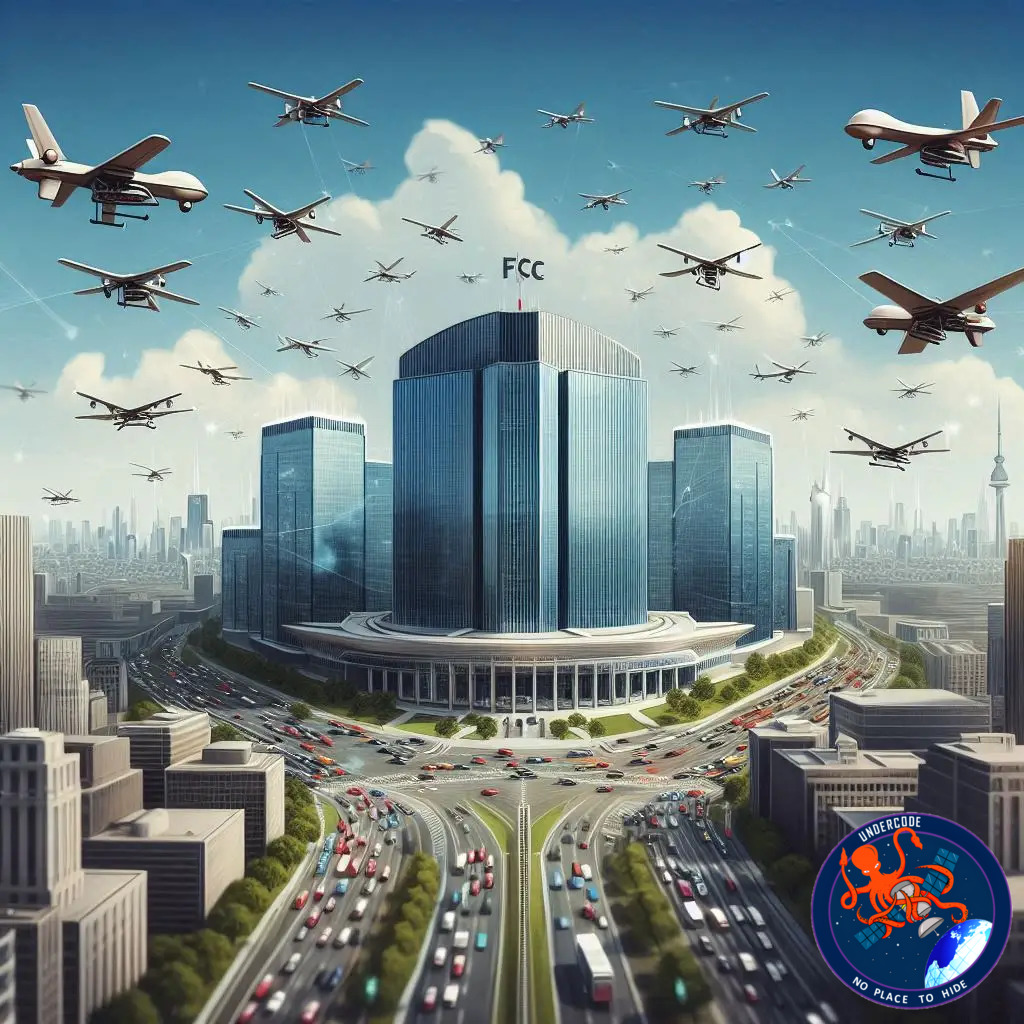
The United States has taken a decisive step to tighten control over its airspace and emerging drone ecosystem. As unmanned aerial systems become deeply embedded in public safety, logistics, and critical infrastructure, concerns over who builds and controls this technology have reached a breaking point. With global events like the 2026 FIFA World Cup and the 2028 Olympic Games approaching, Washington is accelerating efforts to reduce strategic vulnerabilities. At the center of this move stands the Federal Communications Commission, acting on a rare and sweeping national security determination.
the Original
The U.S. Federal Communications Commission announced a ban on drones and critical drone components manufactured outside the United States, citing serious national security risks. The decision follows a detailed review conducted by an Executive Branch interagency body with national security expertise, convened by the White House. According to the FCC, foreign-produced unmanned aerial systems and their core components were determined to pose unacceptable risks to U.S. national security and the safety of American citizens.
This determination triggered an update to the FCC’s Covered List under the Fiscal Year 2025 National Defense Authorization Act. The Covered List identifies communications equipment and services considered threats to national security or public safety. Once added to the list, such equipment cannot receive FCC authorization, effectively blocking it from being imported, marketed, or sold in the United States.
The ban particularly affects Chinese-made drones, including major manufacturers such as DJI and Autel, which have long dominated the U.S. commercial and consumer drone market. While acknowledging that drones can significantly enhance innovation, emergency response, and safety operations, the FCC emphasized that misuse by criminals, hostile foreign actors, or terrorists represents a growing threat.
Importantly, the FCC clarified that the decision does not impact drones already in use or models previously approved. The restrictions apply only to new drone models and components moving forward. FCC Chairman Brendan Carr welcomed the determination, praising it as a necessary step to protect national security and signaling closer cooperation with domestic drone manufacturers to strengthen U.S. technological leadership.
What Undercode Say:
The FCC’s move is not just a regulatory adjustment, it is a strategic signal. For years, the United States tolerated deep dependence on foreign-made drones, particularly from China, despite repeated warnings from defense and intelligence agencies. This decision marks a clear pivot from convenience-driven procurement to security-first infrastructure policy.
Drones are no longer hobbyist tools. They are flying sensors, data collectors, and networked devices capable of mapping terrain, tracking individuals, and intercepting communications. When such systems are built abroad, especially in countries viewed as strategic competitors, the risk extends beyond hardware. Software backdoors, firmware updates, data exfiltration, and supply chain manipulation become real concerns, not theoretical ones.
The timing is equally critical. Hosting events like the World Cup and the Olympics transforms U.S. cities into high-value surveillance and attack environments. Airspace security becomes as important as cybersecurity. Allowing foreign-manufactured drones to operate freely during such moments would introduce uncontrollable variables into national defense planning.
This ban also reshapes the commercial drone market. Companies like DJI did not dominate by accident. They offered affordable, reliable, and highly advanced platforms while U.S. manufacturers struggled with scale and cost. Removing these competitors overnight creates short-term disruption for public agencies, filmmakers, infrastructure inspectors, and emergency responders who rely on proven platforms.
However, from a strategic lens, the FCC’s decision is a forced reset. It creates pressure and opportunity for American drone makers to innovate faster, secure more funding, and align closely with federal security requirements. The language used by Chairman Carr, emphasizing “American drone dominance,” reflects a broader industrial policy shift, where national security and economic competitiveness merge.
There is also a regulatory precedent here. By leveraging the Covered List mechanism, the FCC reinforces the idea that communications infrastructure, whether fixed or airborne, is a frontline security domain. Drones are no longer treated as consumer gadgets but as extensions of national networks.
Critically, the exemption for existing and previously approved models shows an attempt to balance security with operational continuity. A sudden grounding of all foreign drones would have caused chaos across industries. Instead, the FCC chose a forward-looking containment strategy, sealing future entry points while avoiding immediate disruption.
This approach suggests future escalation is possible. Software updates, replacement parts, and long-term support for existing foreign drones may come under scrutiny next. The current decision feels less like a final action and more like the opening phase of a longer decoupling process in unmanned systems technology.
Fact Checker Results
✅ FCC officially added foreign-made drones and components to the Covered List under the FY25 NDAA.
✅ Existing and previously approved drone models are not affected by the ban.
❌ The policy does not immediately ground or confiscate foreign drones already in use.
Prediction
📊 The U.S. drone market will experience short-term disruption but long-term domestic growth.
📊 American manufacturers will receive increased federal support and contracts to replace foreign platforms.
📊 Similar restrictions are likely to expand to drone software, firmware updates, and data services in the next two years.
▶️ Related Video (84% Match):
🕵️📝✔️Let’s dive deep and fact‑check.
References:
Reported By: securityaffairs.com
Extra Source Hub (Possible Sources for article):
https://www.stackexchange.com
Wikipedia
OpenAi & Undercode AI
Image Source:
Unsplash
Undercode AI DI v2
Bing
🔐JOIN OUR CYBER WORLD [ CVE News • HackMonitor • UndercodeNews ]
📢 Follow UndercodeNews & Stay Tuned:
𝕏 formerly Twitter 🐦 | @ Threads | 🔗 Linkedin | 🦋BlueSky | 🐘Mastodon


