
Listen to this Post
Introduction: A Defining Ruling on Voter Privacy
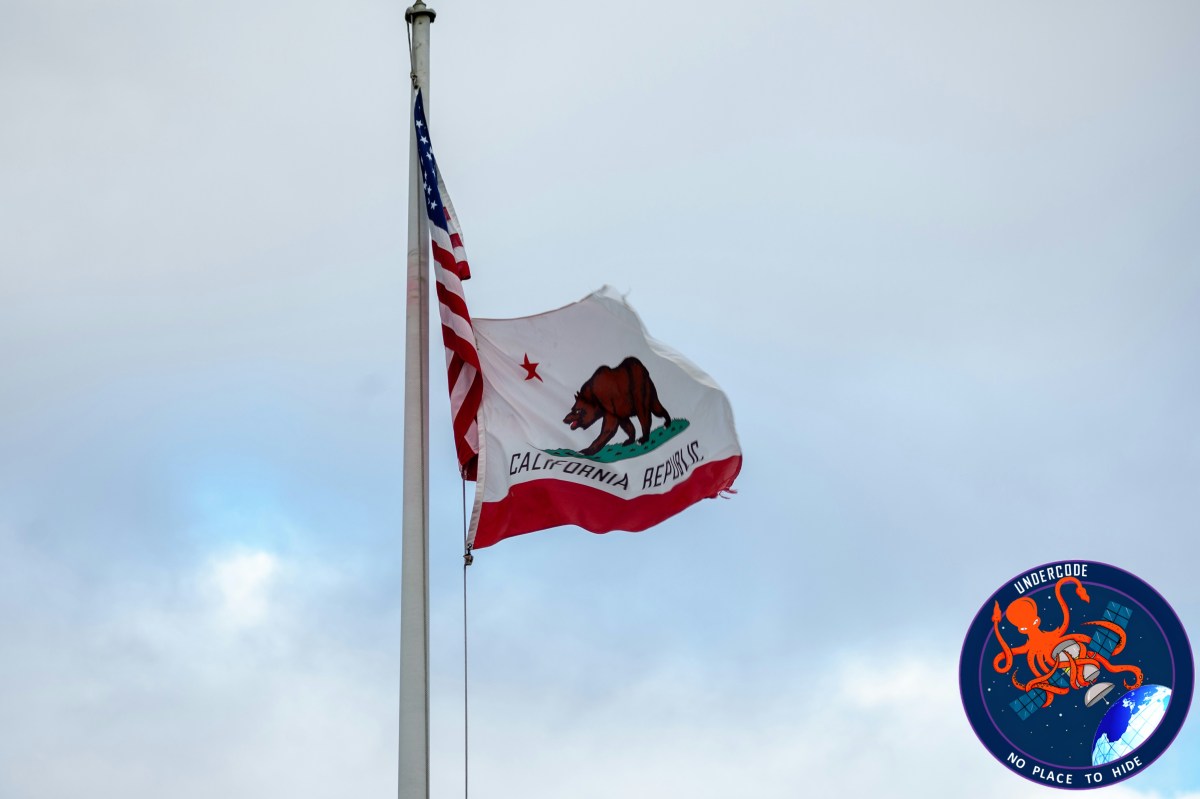
A federal court decision has delivered a decisive blow to the Trump administration’s efforts to obtain sensitive voter data from California. At the center of the dispute was a sweeping demand by the Department of Justice (DOJ) for unredacted voter records—an effort framed as election integrity enforcement but widely criticized as an unprecedented intrusion into personal privacy. The ruling not only halted the federal request but also reaffirmed long-standing constitutional boundaries that protect voters, states, and the democratic process itself.
Case Overview: A Lawsuit Thrown Out
A U.S. District Court in Southern California dismissed a lawsuit brought by the Trump administration that sought to force California to hand over vast amounts of voter information. Judge David Carter ruled that the DOJ’s demand was unlawful, calling voting a “fundamental political right” and describing the federal request as both “unprecedented and illegal.”
Scope of the Federal Demand
The DOJ had asked California for unredacted voter records covering nearly 23 million residents. The requested data included names, home addresses, Social Security numbers, voting history, and other highly sensitive personal details. California officials offered redacted versions of the records, but federal officials insisted on full access.
Legal Justification Challenged
The Trump administration argued that existing civil rights laws allowed the federal government to demand such information in the name of election integrity. Judge Carter firmly rejected this interpretation, stating that those laws were enacted to expand and protect access to the ballot—not to grant the executive branch unrestricted access to voter data.
Judicial Reasoning: Limits on Executive Power
In his opinion, Judge Carter emphasized that neither the executive branch nor the courts have the authority to repurpose civil rights legislation to override privacy protections. Any expansion of federal power in this area, he wrote, would require explicit authorization from Congress.
California’s Resistance and Federal Pushback
The lawsuit targeted California Secretary of State Shirley Weber, one of many state officials nationwide facing similar legal pressure for refusing to provide unredacted voter information. The federal government claimed its actions were necessary to prevent voter fraud and noncitizen voting, though it has repeatedly failed to substantiate those claims in court.
Expert Warnings and Constitutional Context
Election law experts had predicted that the administration’s strategy would face serious judicial resistance. The U.S. Constitution grants states and Congress primary authority over elections, limiting the federal executive’s reach in election administration.
Civil Rights Groups Intervene
In response to the DOJ’s demand, a coalition including the League of Women Voters of California and several ACLU organizations filed a countersuit on behalf of voters. They argued that both state law and federal privacy protections barred the disclosure of such sensitive information.
Reaction to the Ruling
Following the decision, the civil rights groups praised the outcome as a victory for voters nationwide. They stated that the ruling affirmed the principle that Americans should never have to sacrifice their privacy to exercise their right to vote.
A Warning About Democratic Erosion
Judge Carter issued a stark warning in his ruling, cautioning that democracy is rarely dismantled in a single act. Instead, he wrote, it is eroded gradually through incremental legal and institutional changes that collectively undermine fundamental rights.
Privacy and Participation at Risk
The court also highlighted the potential chilling effect of centralized voter data collection. Carter warned that voters might avoid registering or participating in elections if they fear their personal information could be misused by federal authorities.
Conclusion of the Court’s Opinion
In closing, the judge reiterated that any decision to weaken privacy protections or alter election oversight must occur through open legislative debate—not unilateral executive action. The Constitution, he stressed, demands respect for these boundaries.
What Undercode Say:
A Line Drawn Between Security and Surveillance
This ruling underscores a critical distinction often blurred in political discourse: the difference between election security and voter surveillance. While safeguarding elections is essential, the court made clear that security cannot be used as a pretext for mass data collection without clear legal authority.
Civil Rights Laws Reclaimed
Judge Carter’s interpretation restores civil rights legislation to its original purpose—protecting voters rather than exposing them. This is a notable pushback against attempts to weaponize historic protections for modern political objectives.
Executive Overreach Meets Judicial Resistance
The decision reflects a broader judicial trend of reining in executive overreach, particularly when individual rights are at stake. Courts have increasingly signaled that expansive federal authority must be grounded in explicit congressional intent.
Federalism Reaffirmed
At its core, the case reinforces the federalist structure of U.S. elections. States are not mere administrative arms of the federal government; they possess constitutionally protected authority over voter registration and election management.
Data Privacy as a Democratic Issue
Voter data is not just administrative information—it is deeply personal. By recognizing the sensitivity of this data, the court implicitly framed privacy as a prerequisite for democratic participation.
The Chilling Effect Is Real
The ruling rightly acknowledges behavioral consequences. When citizens fear surveillance, participation declines. This is not speculative; history shows that mistrust in institutions directly affects voter turnout.
Claims Without Proof
The administration’s repeated failure to substantiate claims of widespread voter fraud weakens its legal and moral standing. Courts are increasingly unwilling to accept broad allegations without concrete evidence.
A Precedent for Other States
This decision may influence similar cases across the country. States resisting federal data demands now have a strong judicial precedent supporting their position.
Democracy by Due Process
The court’s insistence on legislative debate highlights a fundamental democratic principle: changes affecting millions of voters must be transparent, deliberative, and accountable to the public.
Technology, Power, and Control
In an era of big data, control over information equals power. This ruling signals judicial awareness of how data centralization can shift political balances in subtle but profound ways.
Long-Term Institutional Trust
Protecting voter privacy is also about preserving trust in democratic institutions. Once that trust erodes, restoring it becomes exponentially harder.
A Legal Brake on Political Expediency
The case demonstrates how courts can serve as a stabilizing force, slowing down politically motivated initiatives that risk long-term damage to democratic norms.
The Slippery Slope Argument Gains Weight
Carter’s warning about incremental erosion is not rhetorical flourish—it reflects real concerns about how small legal concessions can accumulate into systemic harm.
Privacy as Participation Insurance
Ensuring that voter information remains protected acts as insurance for civic engagement. People are more likely to vote when they feel safe doing so.
Congressional Responsibility Highlighted
By pointing back to Congress, the court emphasized where accountability truly lies. If federal election oversight is to expand, lawmakers—not presidents—must make that choice openly.
Fact Checker Results
Legal Basis of the Ruling ✅
The court clearly grounded its decision in constitutional principles and statutory interpretation.
Evidence of Voter Fraud ❌
No credible proof was presented to justify the scope of the data request.
Privacy Impact Assessment ✅
The ruling accurately recognized the risks of misuse and voter suppression tied to mass data collection.
Prediction
Future Federal Requests Will Narrow 🔮
Courts are likely to demand far more limited and clearly justified data requests.
States Will Push Back More Confidently 📜
This ruling empowers states to resist expansive federal election demands.
Voter Privacy Will Become a Central Election Issue 🔐
🕵️📝✔️Let’s dive deep and fact‑check.
References:
Reported By: cyberscoop.com
Extra Source Hub (Possible Sources for article):
https://www.reddit.com/r/AskReddit
Wikipedia
OpenAi & Undercode AI
Image Source:
Unsplash
Undercode AI DI v2
Bing
🔐JOIN OUR CYBER WORLD [ CVE News • HackMonitor • UndercodeNews ]
📢 Follow UndercodeNews & Stay Tuned:
𝕏 formerly Twitter 🐦 | @ Threads | 🔗 Linkedin | 🦋BlueSky | 🐘Mastodon


