
Listen to this Post
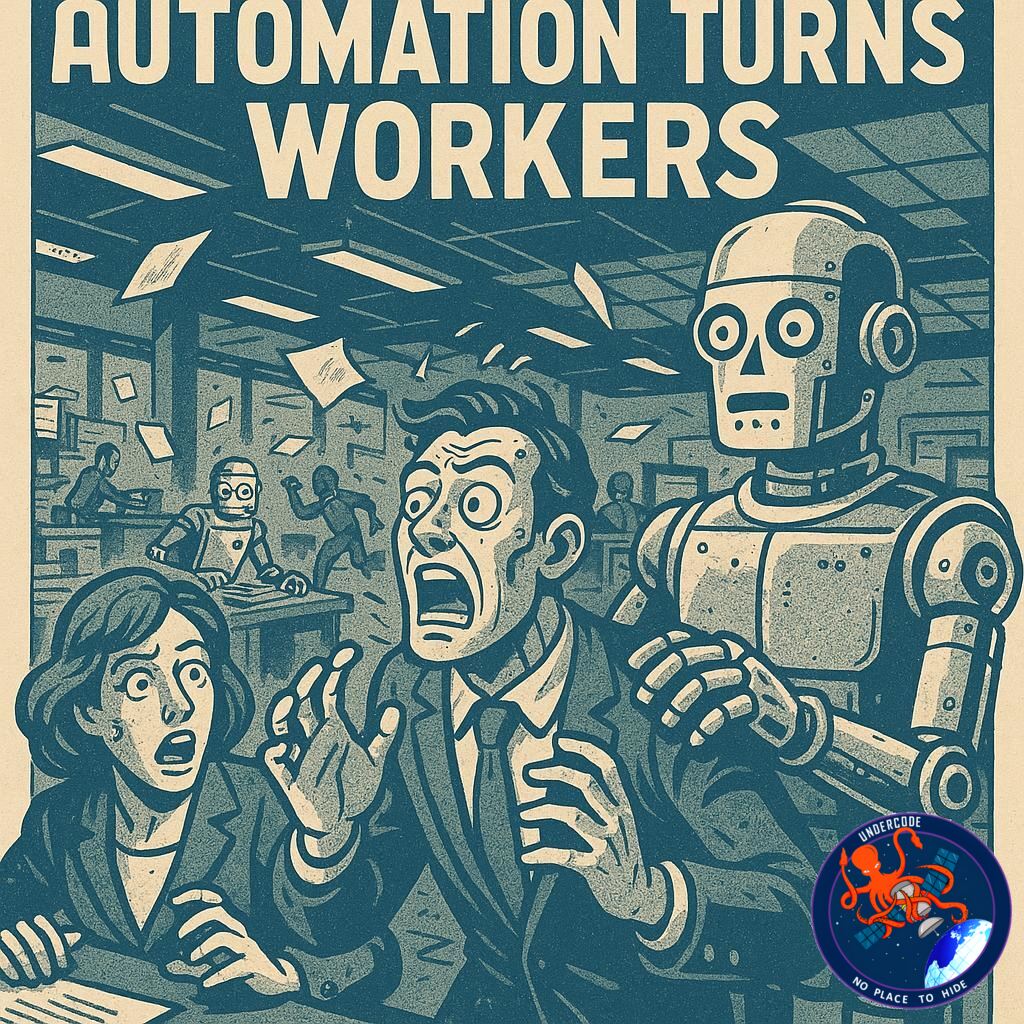
A Turbulent Homecoming to the Office
Ford Motor Company’s ambitious return-to-office (RTO) initiative has turned into an unexpected public relations headache. What began as an organized plan to bring employees back to physical workplaces has spiraled into a saga of miscommunication, system errors, and corporate embarrassment. The automaker’s HR leadership has now admitted to mishandling internal communications, inadvertently threatening loyal employees who were, ironically, following all the rules.
Homer Isaac, Ford’s HR director for Enterprise Technology, made a rare and candid admission during a September 9 all-hands meeting. He conceded that Ford “failed” to properly update its automated email system, which continued sending disciplinary warnings to compliant employees. The emails warned recipients of “possible termination” for attendance violations—warnings that, as it turns out, were baseless for many. Isaac admitted that the issue stemmed from a lack of oversight in communication management, acknowledging that employees who were “doing what they were supposed to” were unfairly caught in a system glitch.
The trouble began after Ford’s June announcement mandating that employees return to the office four days a week starting September 1. The policy, intended to reinforce collaboration and company culture, quickly triggered confusion and resentment. Despite being in compliance, several employees reported receiving automated “threat” emails. These messages accused them of insufficient office attendance and warned of disciplinary action “up to and including termination.”
Multiple insiders revealed to Business Insider that the automated system failed to recognize legitimate remote work approvals and flexible schedules. One former Ford worker shared that even after securing management approval for hybrid work, they kept receiving these warning messages. The constant barrage of errors not only frustrated employees but also eroded trust in company leadership. The worker remarked that flexibility used to be a “two-way street,” but now employees felt less motivated to make schedule sacrifices or work across time zones.
The rollout itself was marked by logistical and operational chaos. During an August trial run at Ford’s Dearborn site, parking shortages and insufficient desks led to a “disastrous” scene, with police ticketing cars illegally parked due to lack of space. The supposed test run became a spectacle of corporate mismanagement. To make matters worse, tensions boiled over at Ford’s Dearborn headquarters last week when employees displayed a crossed-out image of CEO Jim Farley on meeting room screens, accompanied by an explicit anti-RTO message.
Despite these issues, Ford’s spokesperson stood firm on the policy, emphasizing that the company had provided ample time for employees to adjust and coordinate with their managers. But the defense rang hollow for many workers who felt blindsided by an automation system seemingly programmed to mistrust them. The episode highlights a deeper issue within modern corporate culture: the blind faith in technology-driven management tools that often forget the human element at the heart of the organization.
What Undercode Say:
The Automation Paradox
Ford’s debacle perfectly encapsulates a growing corporate paradox—where automation, designed to improve efficiency, ends up undermining human trust and morale. Automated HR systems are meant to streamline compliance monitoring, yet when left unchecked, they can amplify bureaucracy and miscommunication. Ford’s warning emails were not just software errors; they were symbolic of a deeper disconnect between corporate leadership and its workforce.
The Cultural Misfire
Return-to-office mandates are already controversial across industries. Companies like Google, Meta, and Amazon have faced similar backlash for enforcing rigid RTO policies after years of promoting remote flexibility. In Ford’s case, the cultural blowback is even more significant because the company historically prides itself on innovation and worker relations. The fact that compliant employees were threatened with termination exposes how disconnected internal systems can become from real human dynamics.
Employee Trust and Morale at Risk
Trust is one of the most valuable assets a company can hold. Once shaken, it rarely recovers easily. For Ford, the unintended threats of job loss likely created a chilling effect across teams. Employees who once viewed hybrid work as a privilege earned through performance may now see it as a liability that invites corporate scrutiny. The psychological toll of receiving a “termination” email—even if in error—should not be underestimated.
The Cost of Over-Automation
Corporate dependence on automation can dehumanize decision-making. When an algorithm becomes the enforcer, empathy disappears. The HR department’s role is not just administrative but also relational. When that balance shifts toward pure metrics—like badge-ins and attendance logs—the company culture begins to erode. Ford’s admission of “failure” is commendable, but the damage control will require more than apologies.
The Bigger Lesson for Corporate America
Ford’s episode sends a message to all large organizations: digital efficiency cannot replace emotional intelligence. Leaders must ensure that technology serves people—not the other way around. A company’s communication system should be flexible, transparent, and error-tolerant, especially when tied to something as sensitive as employment status.
The Employee Backlash and Symbolism
The image of Ford employees displaying an anti-RTO message with CEO Jim Farley’s face crossed out speaks volumes. It represents more than rebellion—it’s a cry for recognition. Workers are not opposing structure; they’re rejecting inconsistency and tone-deaf leadership. A modern workforce expects clarity, empathy, and adaptability, especially in a post-pandemic work environment.
The Reputational Fallout
In the digital age, internal blunders rarely stay internal. Once Business Insider and the Detroit Free Press picked up the story, Ford’s credibility took a hit. Public perception now links the company’s RTO push with mismanagement and poor employee relations. For a century-old brand that depends on both consumer loyalty and workforce stability, that’s a dangerous narrative to let spread.
What Ford Must Do Next
Ford needs to take corrective action beyond fixing email filters. It should perform a transparent audit of its communication processes, reestablish direct HR-human contact points, and allow managers greater discretion in handling attendance nuances. Apologies are necessary, but genuine trust recovery requires structural change.
Undercode’s Takeaway
This situation is not unique to Ford—it’s symptomatic of a global corporate identity crisis. Companies are struggling to redefine work culture in the hybrid era, and many are defaulting to rigid oversight instead of fostering accountability through trust. Ford’s case is a loud reminder that in the age of automation, humanity must remain central to corporate systems.
Fact Checker Results
✅ Ford HR director Homer Isaac did publicly admit to communication failures during a September 9 meeting.
✅ Multiple employees confirmed receiving erroneous termination warnings despite compliance.
❌ Ford has not yet announced a detailed fix beyond internal acknowledgment.
Prediction
🔮 Ford will likely scale back its rigid RTO enforcement in the coming months, reframing it as a “hybrid flexibility initiative.”
🔮 Expect the company to publicly emphasize employee well-being and improved digital communication tools to restore credibility.
🔮 Other automakers may quietly watch this episode as a cautionary tale before tightening their own RTO mandates.
🕵️📝✔️Let’s dive deep and fact‑check.
References:
Reported By: timesofindia.indiatimes.com
Extra Source Hub:
https://www.quora.com/topic/Technology
Wikipedia
OpenAi & Undercode AI
Image Source:
Unsplash
Undercode AI DI v2
🔐JOIN OUR CYBER WORLD [ CVE News • HackMonitor • UndercodeNews ]
📢 Follow UndercodeNews & Stay Tuned:
𝕏 formerly Twitter 🐦 | @ Threads | 🔗 Linkedin | 🦋BlueSky | 🐘Mastodon


