
Listen to this Post
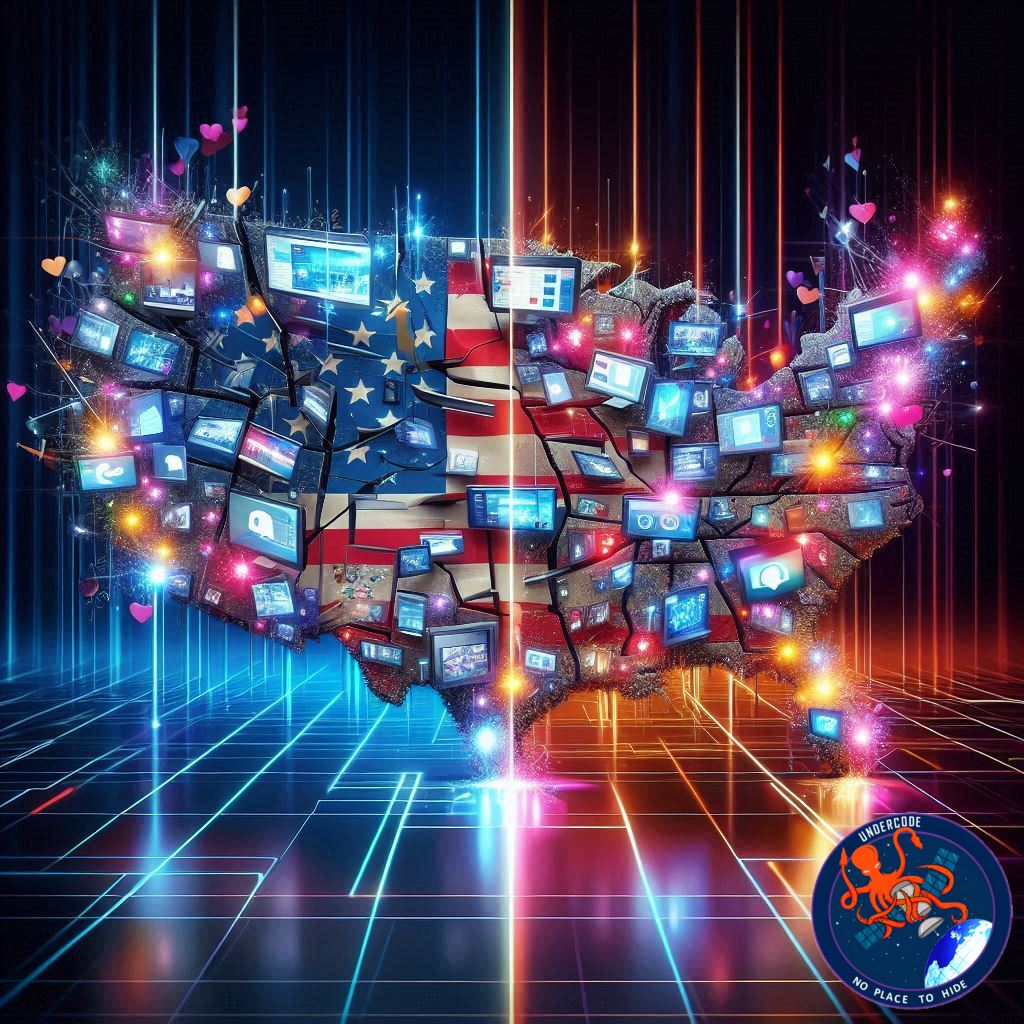
Introduction: Shifting Ground Beneath the Screens
Americans are no longer gathering on the same digital front porch. A new Pew Research report reveals a nation drifting into separate social media ecosystems, each shaped by age, culture and content preferences. The shift mirrors the fragmentation of traditional news, where once-dominant broadcasters gave way to niche outlets and personalized feeds. Today’s social platforms, once imagined as universal networks, are splintering into distinct worlds. These worlds influence what people see, who they trust and how they interpret the events around them. This reshaping of online behavior is not simply a trend. It is a seismic shift that could redefine politics, culture and commerce for the next decade.
Summary of the Original
Fragmented Digital Habits
Americans’ social media routines are dividing in ways similar to the fragmented traditional news environment. A Pew Research report highlights how platforms are no longer universal gathering places.
Why Fragmentation Matters
The fractured landscape makes it increasingly difficult for companies, brands and public figures to reach wide audiences. Instead of one national conversation, there are multiple smaller ones.
Dominant Platforms by Usage
Pew surveyed 5,022 U.S. adults from February to June and found that YouTube remains the top platform with 84 percent usage. Facebook follows at 71 percent and Instagram at 50 percent.
Legacy Platforms Still Lead
YouTube, Facebook and Instagram have longevity. Launched between 2004 and 2010, they have had more time to integrate into users’ daily routines.
Reddit and X in the Middle Tier
Reddit and X, formerly Twitter, were also early entrants but have smaller audiences. Reddit, however, is gaining ground while X declines in U.S. usage.
Growth of Reddit’s Community
Twenty six percent of Americans say they use Reddit today compared with 18 percent four years ago. Roughly half of adults aged 18 to 29 use it regularly.
YouTube’s Grip on Young Users
Among teens and users aged 18 to 29, YouTube continues to dominate with usage rates above 95 percent. Even among users aged 30 to 49, it sits at 92 percent.
TikTok Surges Among Under 30
TikTok usage among Americans under 30 has soared, with 63 percent using it regularly. Around half open the app at least once a day.
Snapchat’s Strong Youth Base
Fifty eight percent of Americans under 30 use Snapchat, indicating that younger demographics remain loyal to ephemeral messaging platforms.
Least Used Newcomers
Truth Social, Bluesky and Threads remain far behind among young users, with only 1 percent, 6 percent and 15 percent adoption rates respectively.
WhatsApp’s Rising Popularity
WhatsApp is climbing in popularity nationwide. Thirty two percent of U.S. adults now use the app compared to 23 percent in 2021, with Asian and Hispanic users leading adoption.
AI Models Drawing From Social Content
Content across social platforms increasingly informs large language models. Gemini often sources from YouTube, while ChatGPT and Perplexity rely heavily on Reddit.
What Undercode Say:
A Nation Split Into Digital Tribes
The data paints a picture of a country partitioned by platform culture. YouTube feels universal and timeless, while Reddit captures the voice of younger, curiosity-driven communities. Meanwhile Snapchat and TikTok shape the daily rhythms of teenagers and twenty somethings. Each platform fosters a different form of expression, shaping not just what people consume but how they form opinions. The result is a social ecosystem with less overlap, fewer shared experiences and rising informational distance between age groups.
The Rise of Age Based Media Silos
For decades, television provided a common source of cultural reference. Today the opposite is true. Teens are immersed in TikTok’s fast moving micro trends. Millennials split their attention across Instagram, YouTube and messaging. Older Americans stay entrenched on Facebook. These age aligned silos are accelerating the fragmentation. They determine which issues feel important, which influencers matter and which narratives dominate personal feeds.
Reddit’s Unexpected Influence
The platform’s growth is especially noteworthy. Reddit’s conversational depth and community driven curation have made it a major source for AI training data and public sentiment analysis. Its niche subcultures give it disproportionate influence compared with its total audience size. If YouTube is the modern television, Reddit is the digital town hall.
TikTok’s Cultural Power and Algorithmic Gravity
TikTok’s gravitational pull on those under 30 is reshaping the pipeline of trends, movements and commerce. Its algorithm dictates what people encounter with remarkable precision. This algorithmic curation differs from Facebook’s social graph logic or Reddit’s community voting system. Each model creates its own worldview, and users internalize these differences without realizing they are doing so.
A Future Without Shared Platforms
The decline of X illustrates this new era. Once central to politics, media and public discourse, it no longer serves as a universal town square. The fragmentation has created multiple micro squares instead. That raises questions about how national conversations will unfold in an election year, and how influencers, journalists and leaders will adapt to a world without a single dominant stage.
AI Models Mirror Social Fragmentation
The fact that large language models feed heavily from YouTube and Reddit shows how machine intelligence now reflects human social behavior. The platforms shaping public perception also shape AI generated answers. This creates a feedback loop where dominant platforms become even more influential because they train the models millions of people consult daily.
The Strategic Imperative for Brands and Institutions
For companies and public figures, fragmentation means message distribution has become a mosaic. Reaching everyone requires multi platform strategies tailored to the culture of each digital environment. What works on YouTube will not land on TikTok. What sparks discussion on Reddit will not spread on Instagram. Success now depends on understanding the psychology of each platform’s tribe.
🔍 Fact Checker Results
Pew Research methodology and survey size are accurately represented. ✅
Platform usage percentages match published data. ✅
AI model sourcing claims reflect documented industry findings. ✅
📊 Prediction
Social media fragmentation will intensify further as generational habits harden and new platforms rise. 📱
AI models will increasingly reinforce the dominance of YouTube and Reddit as primary training sources. 🤖
Brands will shift budgets toward multi platform micro targeting instead of mass audience campaigns. 📈
🕵️📝✔️Let’s dive deep and fact‑check.
References:
Reported By: axioscom_1764351740
Extra Source Hub (Possible Sources for article):
https://www.linkedin.com
Wikipedia
OpenAi & Undercode AI
Image Source:
Unsplash
Undercode AI DI v2
Bing
🔐JOIN OUR CYBER WORLD [ CVE News • HackMonitor • UndercodeNews ]
📢 Follow UndercodeNews & Stay Tuned:
𝕏 formerly Twitter 🐦 | @ Threads | 🔗 Linkedin | 🦋BlueSky | 🐘Mastodon


