
Listen to this Post
Introduction: A Quiet Leak with Serious Consequences
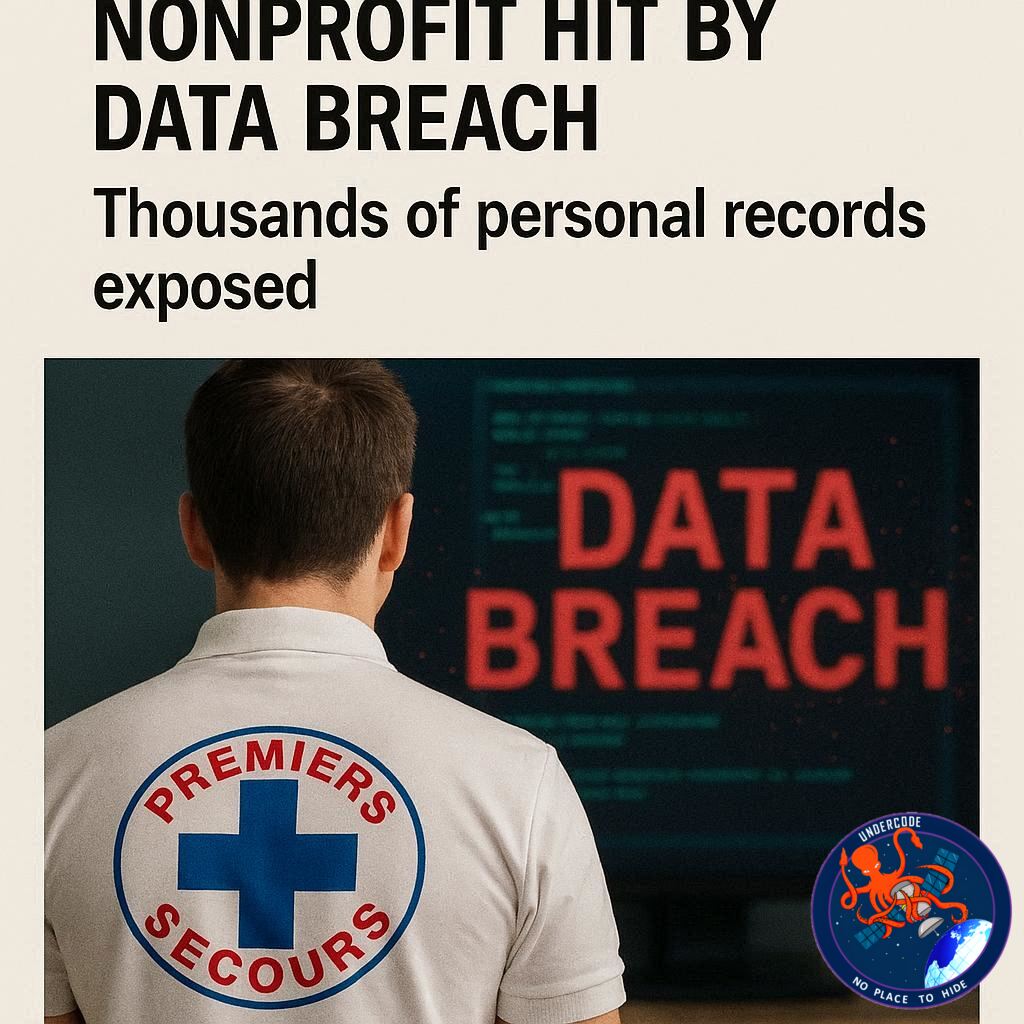
A newly disclosed data breach has placed a French non-profit organization under the cybersecurity spotlight. Association Nationale des Premiers Secours (ANPS), a group dedicated to first aid training and emergency preparedness, has suffered a security incident that exposed sensitive personal information of thousands of individuals. While the scale may appear modest compared to global mega-breaches, the nature of the leaked data and the profile of the organization make this incident far more concerning than the numbers suggest.
the Original Disclosure
According to a disclosure published by the well-known breach notification platform Have I Been Pwned, ANPS experienced a data exposure incident last month involving approximately 5,600 unique email addresses. The compromised dataset did not stop at contact details. It also included full names, dates of birth, and places of birth, information that significantly increases the risk of identity-related abuse.
Notably, 69% of the exposed email addresses were already present in the Have I Been Pwned database, indicating that a majority of affected individuals had previously appeared in other breaches. This reinforces a growing pattern in cybersecurity incidents: the same people and credentials are being repeatedly exposed across unrelated platforms.
The breach was not accompanied by a detailed technical explanation from ANPS, leaving unanswered questions about how the data was accessed, how long systems were exposed, and whether additional information may have been involved. The disclosure surfaced publicly through Have I Been Pwned’s monitoring rather than a proactive announcement from the organization itself.
While there is no immediate evidence that passwords or financial data were included, the presence of personally identifiable information (PII) such as birth details raises concerns about phishing, social engineering, and identity verification abuse. For a non-profit operating in the emergency services and training sector, trust and data stewardship are critical—making even a “small” breach reputationally damaging.
What Undercode Say:
This breach highlights a recurring and uncomfortable truth in modern cybersecurity: non-profits are increasingly soft targets. Organizations like ANPS often operate with limited budgets, aging infrastructure, and minimal dedicated security staff, yet they handle highly sensitive personal data. Attackers are well aware of this imbalance.
The fact that nearly seven out of ten affected email addresses had already appeared in previous breaches is not just a statistic—it’s a warning signal. It shows how data exposure compounds over time, turning fragmented leaks into full identity profiles. When names, birth dates, and places of birth are combined with breached emails from other platforms, attackers gain exactly what they need for convincing impersonation attempts.
Another red flag is the lack of technical transparency. In 2026, users expect more than a simple acknowledgment of exposure. They want to know whether the breach resulted from misconfigured servers, third-party service failures, or direct compromise. Silence on these points often suggests either limited incident response maturity or legal risk management taking priority over user awareness.
From a broader perspective, this incident reinforces the importance of credential hygiene and breach monitoring. Users affected by the ANPS breach may not reuse passwords on that platform specifically, but reused personal data cannot be “changed” as easily as a password. Dates and places of birth are permanent, which is exactly why attackers value them so highly.
For organizations, especially in the public interest and emergency response sectors, this breach should serve as a wake-up call. Security investments are no longer optional reputational safeguards—they are operational necessities. Even small datasets can cause large downstream harm when exposed in the wrong context.
🔍 Fact Checker Results
✅ The breach affected approximately 5,600 unique email addresses.
✅ Exposed data included names, dates of birth, and places of birth.
❌ No evidence has been published confirming exposure of passwords or financial data.
📊 Prediction
If current trends continue, small and mid-sized non-profits will represent a growing share of breach disclosures in 2026, largely due to underfunded cybersecurity defenses and expanding digital footprints. Incidents like the ANPS breach are likely to accelerate regulatory pressure in the EU for stricter data protection enforcement beyond large corporations.
🕵️📝✔️Let’s dive deep and fact‑check.
References:
Reported By: x.com
Extra Source Hub (Possible Sources for article):
https://www.discord.com
Wikipedia
OpenAi & Undercode AI
Image Source:
Unsplash
Undercode AI DI v2
Bing
🔐JOIN OUR CYBER WORLD [ CVE News • HackMonitor • UndercodeNews ]
📢 Follow UndercodeNews & Stay Tuned:
𝕏 formerly Twitter 🐦 | @ Threads | 🔗 Linkedin | 🦋BlueSky | 🐘Mastodon


