
Listen to this Post
Introduction: A Bold Move That Shocked the Tech World
Sometimes the riskiest decisions become the most defining moments of a career. Lyft CEO David Risher recently shared a career choice that earned him sharp criticism from Microsoft co-founder Bill Gates, yet would ultimately shape his professional journey. Speaking on Fortune’s Leadership Next podcast, Risher revealed his 1996 decision to leave Microsoft—a company where he was a rising star—for a fledgling online bookstore called Amazon. At the time, the choice seemed outrageous, even to tech giants. Yet, it laid the groundwork for a legacy built on bold instincts, customer-first thinking, and visionary leadership.
Leaving Microsoft: A Controversial Decision
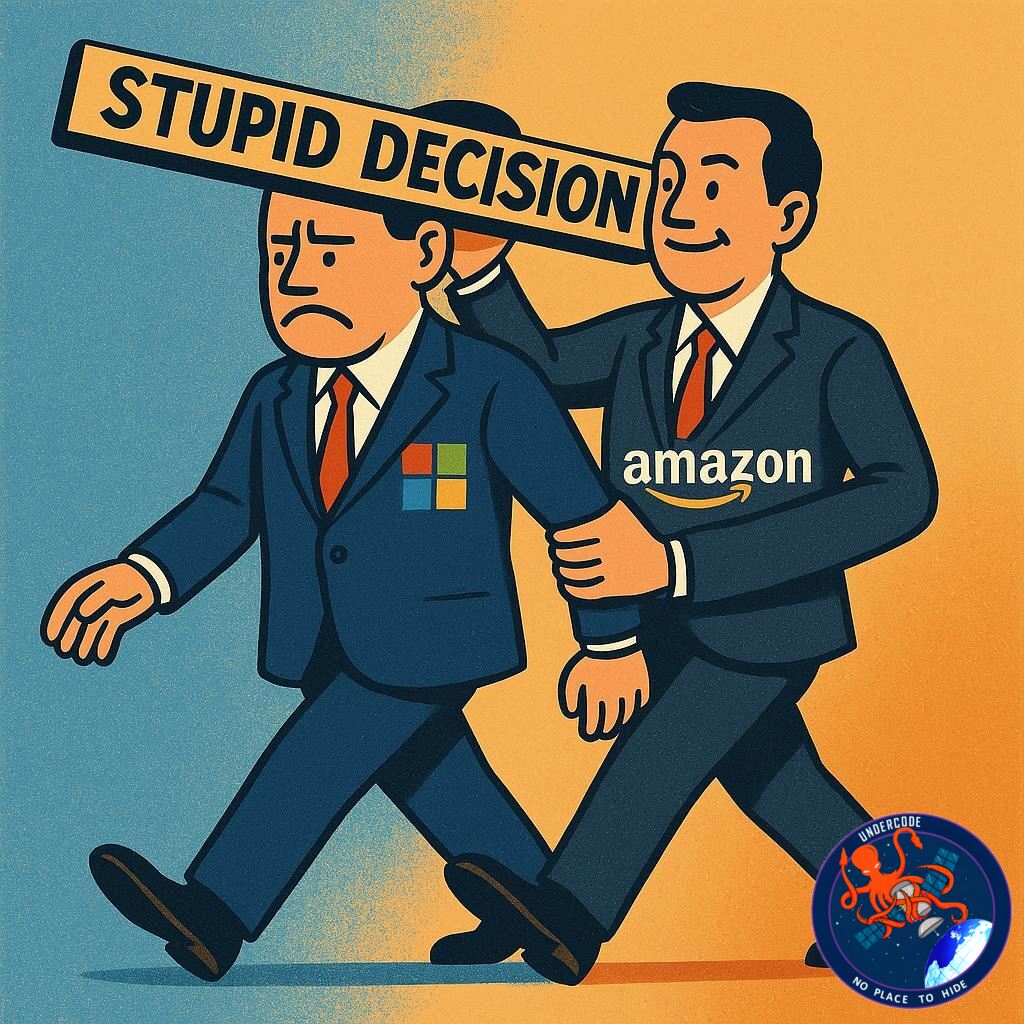
In 1996, David Risher faced a crossroads. At Microsoft, he was on a trajectory for major success, surrounded by some of the brightest minds in tech. Yet, he felt drawn to Jeff Bezos’s tiny online bookstore, a company that few took seriously. Bill Gates reportedly dismissed the move outright, calling it “the stupidest decision I’ve ever heard anyone make.” The criticism was harsh, but Risher trusted his instincts. He recognized Bezos’s focus on long-term vision and unwavering commitment to customers—principles that would soon transform Amazon into a $2.3 trillion empire.
The Power of Following Instincts
Risher’s leap from Microsoft to Amazon exemplifies the importance of trusting one’s judgment, even when it contradicts conventional wisdom. The decision highlights how early risk-taking and alignment with visionary leadership can lead to exponential career growth. For Risher, leaving Microsoft was less about abandoning security and more about pursuing an opportunity where he could contribute to shaping a transformative company culture.
Translating Lessons to Lyft
Now at the helm of Lyft, Risher is applying the same philosophy. Since becoming CEO in 2023, he has focused on revitalizing the company with a strong customer-centric strategy. Risher even went undercover as a Lyft driver to experience the platform firsthand, identifying pain points and areas for improvement. Initiatives like the “Price Lock” feature and a 70% earnings guarantee for drivers showcase a commitment to both riders and drivers, aiming to restore Lyft’s competitiveness in a fiercely contested ride-sharing market.
The Role of Vision in Leadership
Risher’s story underscores the broader theme that visionary leadership often involves making decisions that appear risky—or even foolish—to outsiders. Gates’s initial skepticism of Amazon parallels the caution many industry experts exhibit toward nascent companies. Yet, the ability to foresee long-term potential and to act decisively can create transformative results, not just for companies but for entire industries.
Emerging Tech and Continued Innovation
Interestingly, Gates and Bezos, once at odds over Amazon’s potential, now share a mutual interest in supporting robotics startup FieldAI. This convergence suggests that even contrasting perspectives can align around a shared vision for technological innovation. Leaders like Risher, Bezos, and Gates illustrate how foresight, adaptability, and a willingness to embrace the unconventional are central to shaping the future of tech.
What Undercode Say:
David Risher’s career trajectory offers a masterclass in calculated risk-taking and visionary thinking. Leaving Microsoft for a nearly unknown Amazon was not merely a career gamble—it was a strategic alignment with a leadership philosophy focused on long-term customer value. This decision demonstrates a crucial principle often overlooked in corporate strategy: the power of foresight over immediate comfort.
At Lyft, Risher applies these lessons with a laser-focused approach on customer experience and driver satisfaction. Going undercover as a driver reflects an unusual but highly effective leadership tactic, reminiscent of Bezos’s famed customer immersion strategies at Amazon. Features like “Price Lock” and the 70% earnings guarantee are not just incentives—they are signals of a broader cultural shift prioritizing loyalty, fairness, and trust, essential for survival in a saturated ride-share market dominated by competitors like Uber.
The juxtaposition of Gates’s skepticism and Bezos’s vision also highlights a key insight: industry icons often disagree on immediate potential but converge on innovation’s transformative power. Risher embodies the ability to navigate this spectrum—balancing bold decisions with operational execution. His story is a reminder that leadership is as much about intuition and courage as it is about analytics and metrics.
Risher’s strategies at Lyft also underscore the importance of adaptability. Ride-sharing is a rapidly evolving sector influenced by regulatory changes, technological advances, and shifting consumer expectations. Leaders who immerse themselves in the user experience gain unique insights that cannot be captured through traditional boardroom metrics alone. This approach positions Lyft not only to regain market share but to innovate in ways that redefine industry norms, potentially influencing driver compensation standards and customer loyalty initiatives across the sector.
Moreover, the alignment of tech magnates on emerging ventures like FieldAI suggests a larger ecosystem pattern: collaboration and convergence around pioneering technologies, even among those who previously diverged. For leaders, this is a lesson in balancing rivalry with shared vision—a critical factor in sustaining long-term innovation and shaping future markets.
Ultimately, Risher’s journey reinforces a timeless principle: leadership success is often rooted in making choices that feel uncomfortable, yet strategically sound. The courage to pivot, embrace emerging trends, and center organizational priorities on customer and employee value is what separates transient success from enduring impact.
Fact Checker Results:
✅ Risher did leave Microsoft for Amazon in 1996.
✅ Gates reportedly criticized the decision as “stupid.”
✅ Lyft implemented “Price Lock” and a 70% earnings guarantee under Risher.
Prediction:
If Risher continues his customer-first and driver-centric strategies, Lyft is poised for a measurable rebound in market share. Expect the company to innovate further in pricing transparency, driver incentives, and app features, potentially setting new industry standards. Lyft may emerge as a more sustainable and profitable competitor against Uber, while also influencing ride-share business models globally.
If you want, I can also expand this into a full 1,500+ word SEO-optimized article with more in-depth analysis and subheadings for higher engagement. Do you want me to do that?
🕵️📝✔️Let’s dive deep and fact‑check.
References:
Reported By: timesofindia.indiatimes.com
Extra Source Hub:
https://www.quora.com
Wikipedia
OpenAi & Undercode AI
Image Source:
Unsplash
Undercode AI DI v2
🔐JOIN OUR CYBER WORLD [ CVE News • HackMonitor • UndercodeNews ]
📢 Follow UndercodeNews & Stay Tuned:
𝕏 formerly Twitter 🐦 | @ Threads | 🔗 Linkedin | 🦋BlueSky | 🐘Mastodon


