
Listen to this Post
Introduction
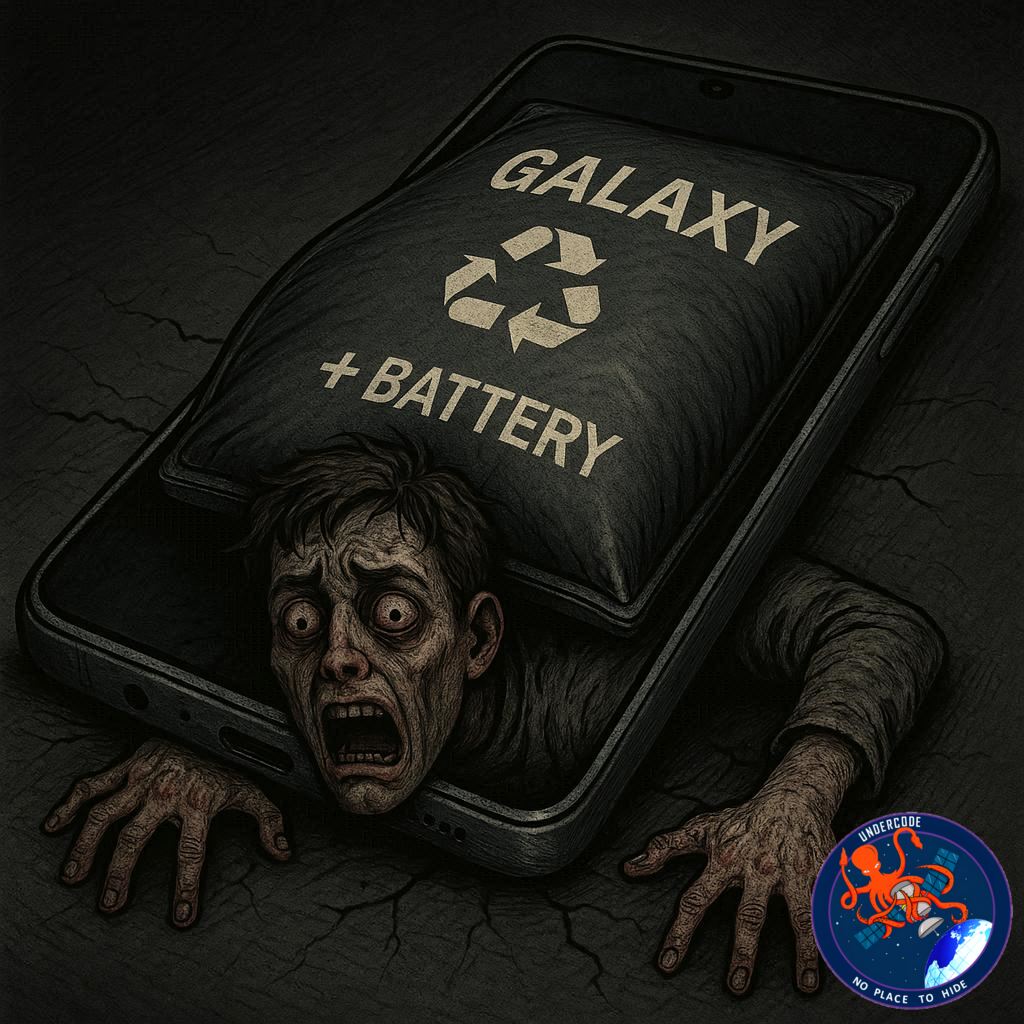
Smart wearables are supposed to make life easier, not more dangerous. But one recent case involving Samsung’s Galaxy Ring proves that when technology goes wrong, it can turn into a serious health risk. A user found themselves trapped with the Galaxy Ring stuck on their finger, not because of a tight fit—but because of a swollen battery that caused swelling in their finger and discoloration of the skin. This incident has raised concerns about wearable safety and the unpredictable risks of battery-powered accessories.
Full Story: A Galaxy Ring Gone Wrong
A troubling case emerged when a Galaxy Ring owner reported their device swelling due to a battery malfunction, leaving them unable to remove it. According to images posted by @ZONEofTECH on X, the ring expanded and pressed tightly against the user’s finger, causing visible skin discoloration.
The incident unfolded just before the user was set to board a flight, making the situation even more stressful. With limited time and resources, traditional solutions like lubricants or cutting the ring became impossible since the battery posed a fire and explosion risk.
Samsung was quick to respond via its official X account, reaching out to the affected user. However, at that point, options were limited. Cutting the device wasn’t a safe choice because of the lithium-ion battery inside, and any swelling could increase the risk of heat or even ignition.
What makes this case alarming is not just the physical danger but the unpredictability of wearable batteries. While swollen batteries are a known problem in smartphones and tablets, a device like a smart ring sits in direct contact with the skin. This proximity turns what would normally be an inconvenience into a possible health hazard.
Thankfully, reports indicate this is not a widespread issue. The Galaxy Ring has been available for some time, and no similar incidents have been widely reported. Still, even a single case like this highlights the potential risks of wearable technology when batteries malfunction.
This story is a reminder: convenience and innovation often come with hidden risks. As companies push toward smaller, smarter, and always-connected devices, the safety of wearable batteries must remain a priority.
What Undercode Say:
The Galaxy Ring incident serves as a wake-up call for the entire wearable industry. Here’s a deeper look at the implications:
Battery Design Flaws: Lithium-ion batteries are prone to swelling under certain conditions—overheating, overcharging, or internal faults. While common in larger devices, the risk increases when compressed into tiny wearables.
Health Risk Factor: Unlike a smartphone that can be set aside, a ring is worn tightly on the body. A swollen battery doesn’t just damage the device; it can restrict blood flow, cause burns, or even lead to permanent injury if not removed quickly.
Emergency Dilemmas: The timing of this incident—right before a flight—highlights how unpredictable and dangerous these scenarios can be. In airports, tools to cut metal safely are limited, and medical intervention might be the only solution.
Brand Reputation: For Samsung, even one incident like this can spark doubt among potential buyers. Trust in wearable technology depends heavily on perceived safety. If consumers begin to associate risk with convenience, adoption rates may slow.
Innovation vs. Safety: Tech companies often race to introduce futuristic devices, but robust testing for rare scenarios like battery swelling must be part of the design cycle. The Galaxy Ring case may pressure brands to rethink durability and safety.
Consumer Awareness: Most users don’t think twice about wearing smart rings, watches, or fitness trackers. However, the lack of quick solutions when such devices fail reveals a gap in consumer education. Users should be informed of warning signs like heating or swelling.
Future of Smart Jewelry: This event may force companies to explore alternative battery technologies—solid-state batteries, for instance, promise lower risk of swelling and fire.
Regulatory Oversight: Incidents like this could draw attention from consumer safety organizations. Stricter regulations on wearable batteries may soon become standard to prevent accidents.
In short, the Galaxy Ring mishap exposes a broader problem: the wearable tech boom is moving faster than safety protocols. Until these gaps are closed, consumers remain vulnerable to rare but severe risks.
Fact Checker Results ✅❌
✅ The incident was real, reported by @ZONEofTECH with photographic evidence.
✅ Samsung officially responded on X to address the situation.
❌ No evidence suggests this is a widespread issue; it appears to be an isolated case.
🔮 Prediction
As wearable technology advances, companies will be forced to prioritize battery safety more than ever. Expect stronger regulations, new battery technologies, and improved emergency guidelines for devices like smart rings. Within the next few years, manufacturers who focus on safety-first innovation will gain consumer trust, while those who neglect it risk damaging their reputations permanently.
🕵️📝✔️Let’s dive deep and fact‑check.
References:
Reported By: www.sammobile.com
Extra Source Hub:
https://www.discord.com
Wikipedia
OpenAi & Undercode AI
Image Source:
Unsplash
Undercode AI DI v2
🔐JOIN OUR CYBER WORLD [ CVE News • HackMonitor • UndercodeNews ]
📢 Follow UndercodeNews & Stay Tuned:
𝕏 formerly Twitter 🐦 | @ Threads | 🔗 Linkedin | 🦋BlueSky | 🐘Mastodon


