
Listen to this Post
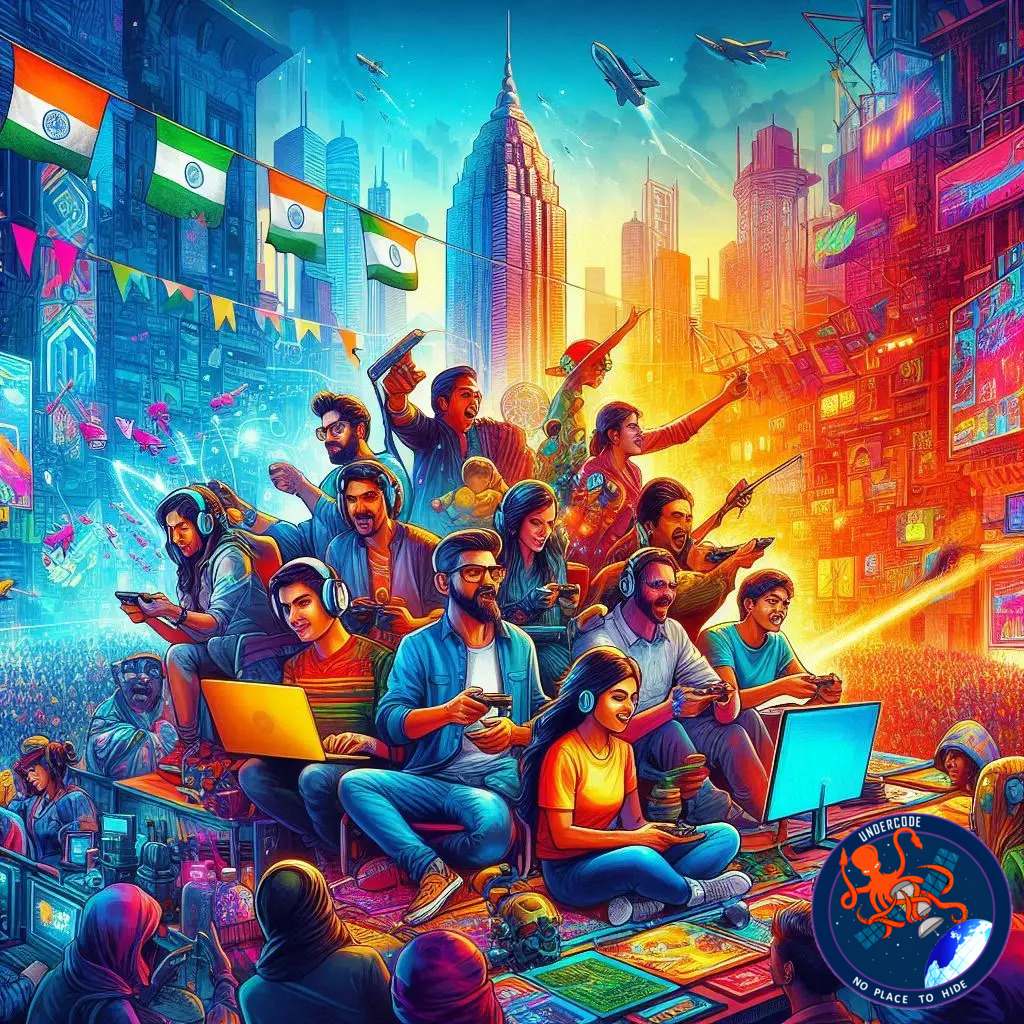
In India’s rapidly evolving digital landscape, gaming is no longer just a pastime—it has become a powerful platform for brand discovery, especially beyond the metros. A recent study by Rukam Capital highlights how Tier 2 and Tier 3 cities are shaping the future of consumer behavior, revealing that gaming is emerging as a high-attention channel that directly influences purchasing decisions. As trust overtakes aspiration, brands must rethink their strategies to connect with the next 500 million consumers.
Gaming as a Gateway for Brands in Bharat
The Rukam Capital study, Beyond Metros: The Real Story of Bharat’s Next 500 Million, surveyed over 5,000 consumers across 18 states through YouGov. Its findings are striking: 55% of Tier 2 and 52% of Tier 3 consumers respond to in-game advertising, indicating that gaming is no longer merely entertainment—it is where brands are actively being discovered and considered. The traditional levers of celebrity endorsements have lost their impact, collapsing to just 3%, while word-of-mouth and creators now influence 22% of purchase decisions. This shift underscores a broader trend: trust has become the key driver of consumer behavior in India’s smaller cities.
Uneven Growth of Digital Services
Digital adoption is accelerating but remains uneven. Quick-commerce services reach only 36% of Tier 3 consumers, while food delivery has gained 44% penetration. In-home services lag at 22%, reflecting infrastructural and accessibility challenges. Despite this, payment habits are already digital-first: 67% of Tier 2-3 consumers rely on UPI, and more than half of Tier 2 buyers actively seek discounts rather than making impulse purchases. This indicates a market that is both digitally aware and financially prudent.
Verification and Research Before Purchase
These consumers are deliberate in their buying habits. Approximately 43% of Tier 3 consumers verify brands on official websites, while 32% consider customer service quality as a decisive factor. YouTube reviews influence 37% of product discoveries, and 35% use e-commerce platforms primarily as research tools rather than immediate purchasing channels. Archana Jahagirdar, Founder of Rukam Capital, notes, “These consumers aren’t chasing aspiration; they’re making informed choices that fit their lives.” Gaming, in this context, emerges not only as a platform for engagement but also as a trusted channel for brand credibility.
What Undercode Say:
The insights from this study signal a fundamental transformation in India’s consumer landscape. Gaming is no longer a niche activity confined to metros; it is becoming a primary touchpoint for brands targeting Bharat’s next 500 million. The response to in-game advertising—over 50% in Tier 2 and Tier 3 cities—demonstrates that these consumers are highly engaged and receptive to brand messaging when it is integrated into their entertainment.
Trust, rather than aspirational branding, now drives buying decisions. Influencers and creators have filled the vacuum left by celebrities, offering relatability and credibility. For brands, this means content strategy must pivot toward authentic storytelling and creator partnerships, rather than high-cost celebrity campaigns.
Digital adoption is uneven, revealing opportunities and constraints. Quick-commerce penetration is low in Tier 3 cities, indicating infrastructural gaps, while payment habits show that digital-first transactions are deeply ingrained. Brands can leverage this by offering targeted discounts and value-based promotions through digital wallets or UPI-linked platforms.
Consumers are increasingly research-driven. The reliance on YouTube reviews and e-commerce research suggests that informative, transparent content will outperform flashy advertising. Brands that provide verifiable product information, clear service policies, and responsive customer support will win loyalty.
Gaming, therefore, is not just a medium for entertainment but a trust-building ecosystem. In-game ads, if executed thoughtfully, can serve as an introductory touchpoint that evolves into brand credibility, long before a consumer walks into a physical store or checks out online. This represents a shift from impulse-driven metros to informed, deliberative purchasing patterns in smaller cities.
Moreover, the collapse of celebrity influence underscores the democratization of marketing. Consumers in Tier 2 and Tier 3 India are shaping trends on their own terms, leaning on peer recommendations and content creators who resonate with local culture and lifestyle. Brands that ignore this shift risk alienating a rapidly growing segment of digitally connected, value-conscious consumers.
Gaming’s role as a discovery platform also reflects broader socio-economic changes. Increased smartphone penetration, affordable data, and expanding digital infrastructure mean that entertainment and commerce are increasingly intertwined. Brands that integrate seamlessly into these experiences—through gamified campaigns, interactive storytelling, and creator-led promotions—can capture attention while reinforcing trust.
Finally, these findings suggest a long-term strategic pivot for marketers: from mass-reach aspirational campaigns to highly targeted, trust-driven engagement. The future of consumer influence lies in digital-first, research-backed decisions where gaming serves as the proving ground for brand authenticity.
Fact Checker Results:
✅ 55% of Tier 2 and 52% of Tier 3 consumers respond to in-game advertising.
✅ Celebrity endorsements influence only 3% of purchase decisions.
✅ 67% of Tier 2-3 consumers rely on UPI for payments.
Prediction:
🎮 Gaming will evolve as a primary discovery platform in non-metro India, driving brand trust more than traditional advertising.
📈 Creator-led marketing and word-of-mouth will continue to outperform celebrity endorsements.
💡 Brands that integrate transparency, research-friendly content, and localized campaigns in gaming environments will see significant growth in Tier 2 and Tier 3 cities over the next 3–5 years.
🕵️📝✔️Let’s dive deep and fact‑check.
References:
Reported By: timesofindia.indiatimes.com
Extra Source Hub (Possible Sources for article):
https://www.digitaltrends.com
Wikipedia
OpenAi & Undercode AI
Image Source:
Unsplash
Undercode AI DI v2
Bing
🔐JOIN OUR CYBER WORLD [ CVE News • HackMonitor • UndercodeNews ]
📢 Follow UndercodeNews & Stay Tuned:
𝕏 formerly Twitter 🐦 | @ Threads | 🔗 Linkedin | 🦋BlueSky | 🐘Mastodon


