
Listen to this Post
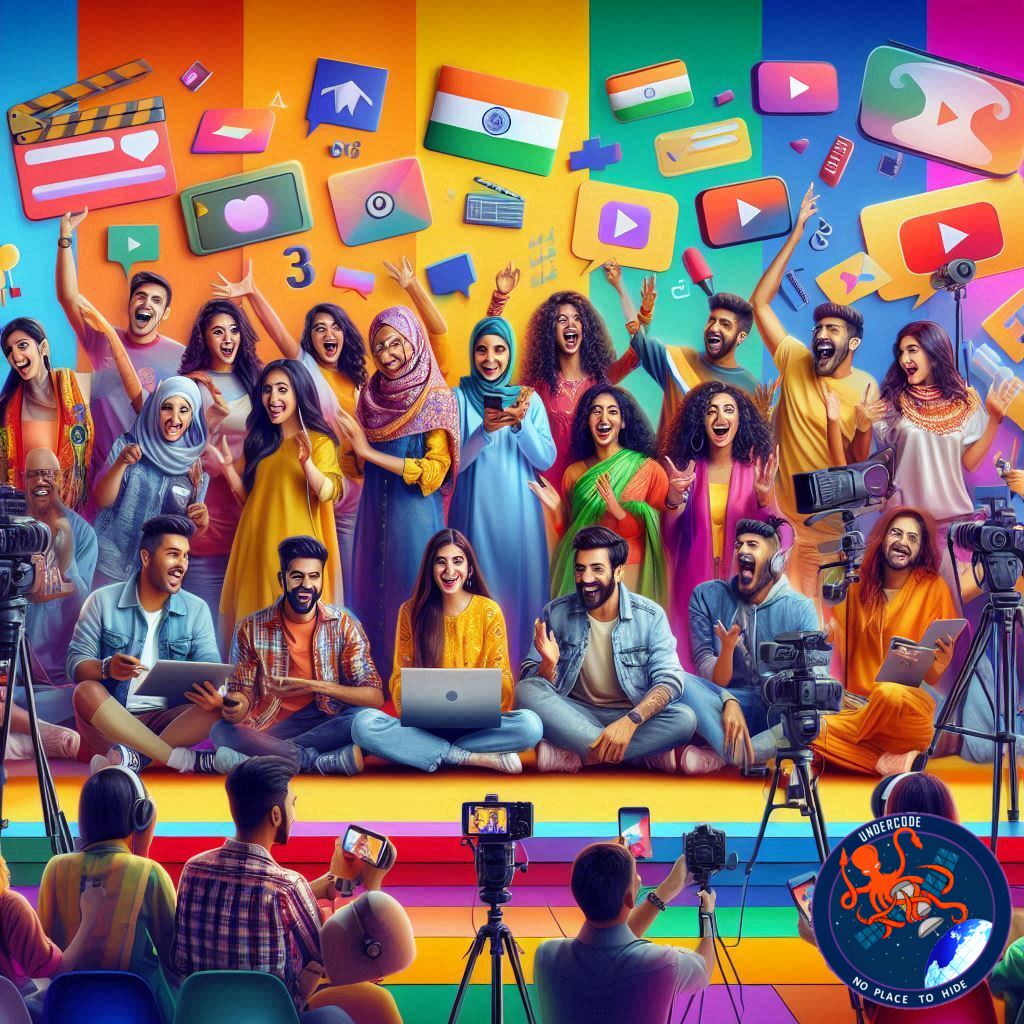
In 2025, YouTube’s end-of-year report revealed a remarkable transformation in the digital habits of India’s Gen Z. A generation once thought to be insular in language preferences has shown an unprecedented openness to content in multiple languages. Platforms are no longer confined to regional or national boundaries; instead, young audiences are embracing translated, dubbed, and visually driven content like never before. This shift signals a fundamental change in how digital media is created, consumed, and monetized in India, redefining both the role of content creators and the expectations of audiences.
the Trends in 2025
According to YouTube’s survey, a staggering 77% of Gen Z in India engaged with content translated or dubbed into other languages, while 68% incorporated phrases and expressions from online videos into their everyday conversations. Additionally, 76% of this demographic turned to YouTube to stay informed about international events, reflecting a growing curiosity beyond local or national narratives.
The success of global creators like MrBeast exemplifies the impact of multilingual content. By offering his videos in seven different audio tracks, MrBeast amassed over 47 million Indian subscribers, demonstrating that language is no longer a barrier to digital influence. Similarly, Indian creators are adopting multilingual strategies: movies like Coolie released trailers simultaneously in Tamil, Kannada, Hindi, and Telugu, while Ashish Chanchlani launched his horror series in five languages to maximize reach.
Not all creators rely on translation. KL BRO Biju Rithvik, with his Kerala-based channel, garnered over 79 million followers by producing content that required no language, relying instead on universal visual storytelling. Likewise, Korean group KIMPRO engaged Indian audiences through visually compelling content paired with sound effects, proving that creativity can transcend linguistic borders.
YouTube is increasingly becoming a hub for cultural convergence. Viral content is repurposed across formats—comedy sketches, horror satire, gaming recreations—connecting audiences through shared experiences. Examples include theatrical reruns like Sanam Teri Kasam, the IPL 2025 coverage, and the reception of K-pop series such as Demon Hunters.
Content creators are also evolving into entrepreneurs. Raj Shamani transformed Figuring Out into an intellectual property brand, while Sejal Gaba leveraged her digital reach to partner with brands and sell products online. The widespread adoption of AI tools, including the Inspiration Tab, Edit with AI, and Auto-Dubbing, has lowered production barriers, enabling creators to efficiently produce content and expand their global reach.
YouTube’s data from 2025 shows a significant blurring of linguistic and geographic lines. Success now hinges on a creator’s ability to localize content for multiple languages while retaining cultural authenticity, whether through translation technologies or visual narratives. This represents a pivotal moment in India’s digital ecosystem, marking a shift from monolingual to multilingual and visually driven content consumption.
What Undercode Say:
The rise of multilingual content among India’s Gen Z is not just a technological trend—it reflects a deeper sociocultural shift. Young viewers are actively seeking content that resonates with them culturally while offering global perspectives. This signals a demand for inclusivity and accessibility, pushing creators to rethink the traditional one-language approach.
Creators like MrBeast are capitalizing on this shift by providing multiple audio tracks, essentially localizing a global product. This strategy is as much about audience engagement as it is about cultural relevance. Indian content creators are following suit, understanding that linguistic diversity is a strength rather than an obstacle. Movies releasing trailers in multiple regional languages are no longer a novelty but a strategic necessity to capture wider attention and engagement.
The success of visual-first content, such as that by KL BRO Biju Rithvik or KIMPRO, highlights an equally important trend: language-neutral storytelling is emerging as a universal mode of communication. It challenges creators to innovate with visuals, music, and sound effects, making content inherently shareable and transcending barriers without any translation. This is particularly significant for India, where linguistic diversity is immense, and reaching multiple audiences simultaneously is often a logistical challenge.
YouTube’s platform evolution, powered by AI tools, enables creators to scale faster and more efficiently. Auto-Dubbing and Edit with AI allow for rapid localization, while the Inspiration Tab provides a steady stream of viral ideas. This democratizes content creation, allowing even small-scale creators to produce globally relevant material, leveling the playing field.
Culturally, Gen Z’s willingness to consume multilingual content reflects an openness to hybrid identities. This audience is not only consuming media passively; they are integrating international expressions into daily life, reshaping language, and bridging cultural divides. Creators who understand this nuanced engagement can cultivate loyalty, as their content resonates both locally and globally.
Monetization strategies are also evolving. Collaborations with brands, merchandise sales, and sponsorships are increasingly tied to the multilingual reach of content. The more culturally and linguistically adaptive a creator is, the higher the potential for engagement and revenue. AI and automation further amplify these opportunities by reducing costs and production time, enabling experimentation at scale.
Looking forward, the successful digital creator in India will need to balance linguistic inclusivity with creative authenticity. Multilingual content, whether through audio tracks, subtitles, or visual storytelling, is no longer optional—it is a requirement to stay competitive. The generation entering adulthood in 2025 expects content to be accessible, relatable, and culturally resonant, signaling a permanent shift in consumption patterns.
The data also suggests that global platforms like YouTube are evolving into cultural bridges rather than mere entertainment channels. By offering content in multiple languages and formats, they are fostering understanding across diverse populations. For India, this presents an enormous opportunity for creators and brands to connect with audiences on a deeper level, influencing both media trends and cultural narratives.
Fact Checker Results:
✅ 77% of Gen Z in India watched translated content in 2025 – verified by YouTube’s end-of-year report.
✅ Global creators like MrBeast gained over 47 million subscribers in India through multi-language content – supported by platform analytics.
❌ Not all content requires translation; visual storytelling can reach millions without language barriers, as shown by KL BRO Biju Rithvik’s success.
Prediction:
📊 Multilingual and visual-first content will dominate India’s digital landscape by 2026–2027. Creators investing in AI-driven translation and localization tools will see exponential audience growth. The boundary between regional and global content will continue to blur, making India a prime testing ground for culturally hybrid digital experiences. Brands and media platforms embracing this trend will lead the market in engagement and revenue, while creators focusing solely on monolingual content risk losing relevance.
▶️ Related Video (76% Match):
🕵️📝✔️Let’s dive deep and fact‑check.
References:
Reported By: timesofindia.indiatimes.com
Extra Source Hub (Possible Sources for article):
https://www.linkedin.com
Wikipedia
OpenAi & Undercode AI
Image Source:
Unsplash
Undercode AI DI v2
Bing
🔐JOIN OUR CYBER WORLD [ CVE News • HackMonitor • UndercodeNews ]
📢 Follow UndercodeNews & Stay Tuned:
𝕏 formerly Twitter 🐦 | @ Threads | 🔗 Linkedin | 🦋BlueSky | 🐘Mastodon


