
Listen to this Post
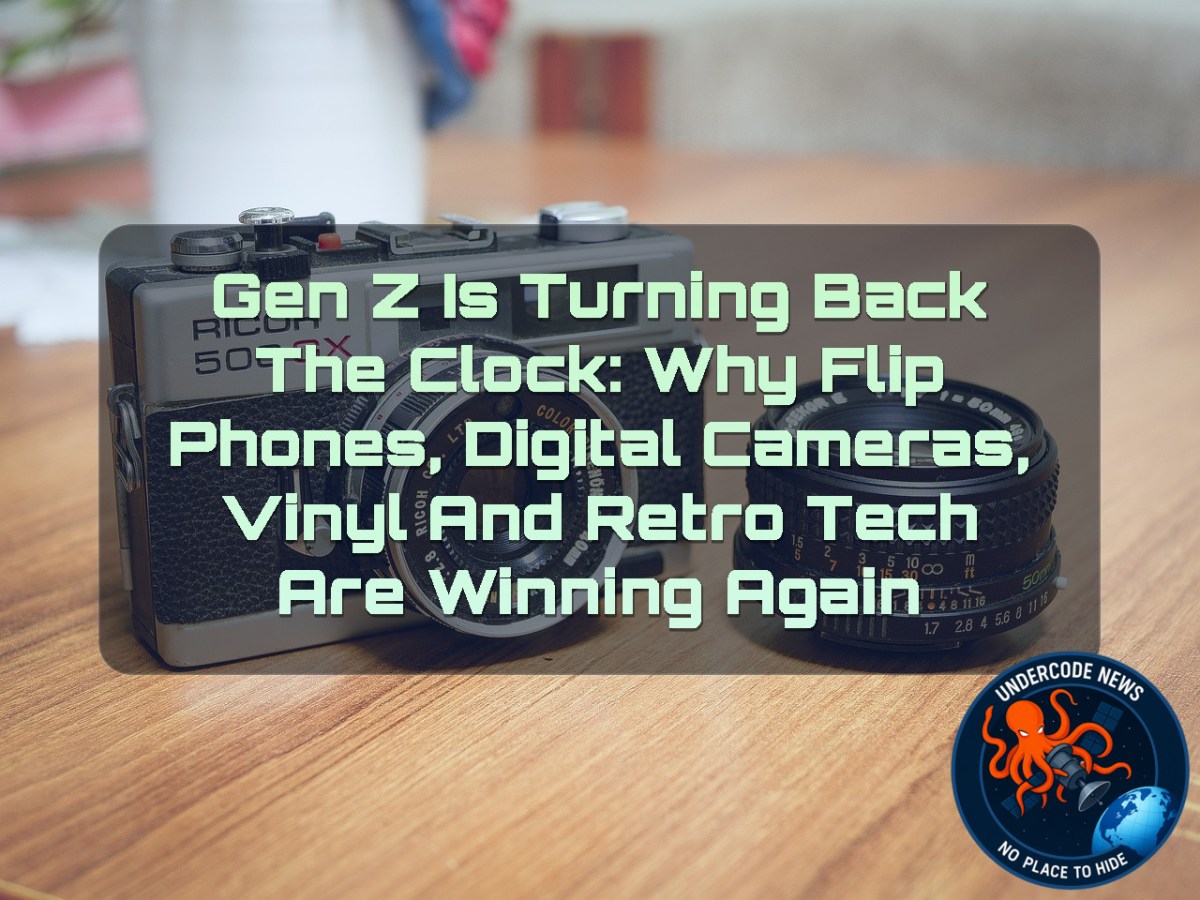
A Generation Exhausted by the Always-Online Life
For a generation that grew up surrounded by smartphones, social media and instant communication, the newest trend among Gen Z is surprisingly old-fashioned: turning technology off. Across a growing youth culture, retro gadgets are becoming more than nostalgic collectibles. Flip phones, early digital cameras, wired headphones, handheld consoles, CDs, cassette players and vinyl records are increasingly being used as tools for escaping the endless pressure of the modern digital world.
When Being Connected Starts Feeling Exhausting
Social media has transformed how people communicate, work, entertain themselves and understand the world around them. For Gen Z and younger users who have spent much of their lives online, constant connectivity can feel less like freedom and more like an obligation.
The Hidden Cost of Constant Notifications
Every notification creates another reason to look at a screen. Every message can demand a response. Every social platform can introduce another stream of videos, opinions, advertisements and carefully edited lifestyles to compare against.
The Pressure of FOMO
The fear of missing out, commonly known as FOMO, has become one of the defining psychological pressures of social media culture. People can feel that they must constantly check what friends are doing, follow breaking trends and remain visible online simply to avoid becoming disconnected from their social circles.
A Desire for Something Slower
That environment is helping create an unexpected counterculture. Instead of searching for the newest smartphone with more cameras, faster processors and deeper artificial intelligence integration, some Gen Z users are deliberately choosing devices that can do less.
Retro Technology as a Digital Escape
A basic phone cannot endlessly scroll through short-form videos. An old digital camera cannot immediately upload every photograph. A Game Boy cannot send push notifications. A vinyl record cannot recommend another song after every track.
The Beauty of Technology That Has Limits
Those limitations are becoming part of the appeal. Retro technology establishes boundaries naturally. The device does what it was designed to do, and then it stops demanding attention.
From Dumb Phones to Digital Minimalism
Dumb phones and flip phones have become particularly attractive to people who want to reduce smartphone use without completely abandoning communication. A user can still call, text and remain reachable for emergencies while removing many of the applications responsible for endless scrolling.
The Weekend Phone Revolution
For some users, the solution does not involve permanently abandoning smartphones. Instead, a basic phone can become a second device for weekends, holidays, concerts, parties or social gatherings.
Choosing When to Be Reachable
That creates an interesting change in the meaning of connectivity. Being unavailable for a few hours is no longer necessarily viewed as a problem. For some young people, it is becoming a deliberate lifestyle choice.
The Return of Early-2000s Digital Cameras
Among the most visible retro trends is the return of early digital cameras. Devices that were once considered technologically outdated are now prized precisely because their photographs do not look perfect.
Why Imperfect Photos Feel More Authentic
Modern smartphones are extraordinarily good at computational photography. They can sharpen faces, balance lighting, remove noise and create highly polished images almost instantly.
The Charm of Grain, Flash and Mistakes
Older cameras produce something different. Their photographs can be grainy, oversaturated, slightly blurry or dramatically affected by harsh flash. Instead of being viewed as defects, these characteristics are increasingly treated as part of the aesthetic.
The Y2K Camera Aesthetic
The distinctive look of early-2000s cameras fits perfectly with the wider revival of Y2K fashion and culture. Small colorful cameras, thick bodies, physical buttons and tiny displays create a visual identity that modern glass-and-metal smartphones often lack.
The Excitement of Not Seeing Everything Immediately
There is also something psychologically different about taking photographs without the expectation of instantly reviewing and editing every image. The uncertainty can make photography feel more spontaneous.
Camcorders Are Coming Back Too
Handheld camcorders have similarly benefited from the nostalgia wave. Their distinctive video texture can make concerts, nights out, vacations and festivals feel like memories from another era.
When Imperfection Becomes the Point
The growing popularity of cameras from the Canon PowerShot, Sony Cyber-shot and Nikon Coolpix eras demonstrates how quickly yesterday’s limitations can become today’s aesthetic.
Flip Phones Are More Than a Fashion Statement
Flip phones have also moved beyond simple nostalgia. Their physical design provides a practical barrier against smartphone addiction.
A Phone That Ends the Conversation
When a device is primarily designed for calls and messages, there is much less incentive to stare at it for hours. Closing a flip phone can feel almost symbolic: the conversation is over, and so is the screen.
Nokia and the Return of Simplicity
Modern versions of classic phones, including devices associated with Nokia and HMD, have benefited from this movement. Models such as the Nokia 2660 Flip appeal to people who want simplicity, long battery life and a compact design without carrying a powerful computer everywhere.
Retro Gaming Without the Algorithm
Gaming is experiencing a similar shift. Older handheld consoles such as the Game Boy and PlayStation Portable offer an alternative to modern gaming environments filled with online services, updates, battle passes, advertisements, microtransactions and competitive ranking systems.
Games That Simply Let You Play
A classic handheld game generally asks the player to do one thing: play. There is no notification telling them to return tomorrow, no endless stream of suggested content and no requirement to remain connected to a server.
Physical Games Feel Different
Physical cartridges and discs also create a sense of ownership that many modern digital ecosystems struggle to replicate. A physical game can sit on a shelf for years without requiring an active subscription.
Retro Gaming Becomes a Hobby
Collecting older systems has consequently become both a technological and cultural hobby. Game Boys, PlayStation 2 consoles, Super Nintendo systems and other classic hardware can function as entertainment, decoration and nostalgia objects at the same time.
Wired Headphones Make an Unexpected Comeback
Perhaps one of the most surprising retro revivals is the return of wired headphones and earphones. Once considered inconvenient, dangling cables are increasingly being incorporated into Y2K-inspired fashion.
The Practical Side of Wired Audio
The appeal is not entirely aesthetic. Wired headphones do not need batteries, can provide reliable audio and generally cost less than premium wireless alternatives.
Less Charging, Less Anxiety
There is something refreshingly simple about plugging in headphones and knowing they will work. No pairing screen, battery warning or wireless connection is necessary.
Music Becomes an Intentional Activity
Wired listening can also encourage a more deliberate relationship with music. Instead of leaving wireless earbuds in for an entire day while constantly consuming audio, someone might intentionally sit down and listen to an album.
Vinyl and CDs Bring Back the Ritual
Physical music formats are perhaps the clearest example of the desire for tactile technology. Vinyl records, CDs and cassette players turn listening to music into a physical experience.
The Album Becomes More Than a Playlist
Streaming platforms make it incredibly easy to jump between songs. That convenience is powerful, but it can also make music disposable.
The Ritual of Physical Music
Opening an album, examining its artwork, placing a record on a turntable or inserting a CD creates a sequence of actions that demands attention.
Ownership in an Era of Subscriptions
Physical media also offers a different concept of ownership. A purchased record or CD does not depend on a streaming catalog remaining unchanged.
Retro Technology Becomes Interior Design
Older technology is also becoming part of personal style. A vintage camera on a shelf, a colorful flip phone on a desk or a record collection in a bedroom can communicate something about a person’s taste.
Technology as Personal Identity
Modern consumer electronics often look remarkably similar. Many smartphones are rectangular glass slabs with increasingly minimal designs. Retro technology offers more visual personality.
Nostalgia Without Having Lived Through It
Interestingly, Gen
The Internet Is Creating Its Own Nostalgia
Social media itself is helping revive the technology of the pre-social-media era. Images of old cameras, flip phones, CDs and early gaming consoles circulate online, transforming obsolete hardware into desirable cultural artifacts.
The Paradox of Retro Technology
There is an important irony here: much of the retro-tech revival is being discovered through the very social media platforms people are trying to escape.
TikTok Can Sell the Digital Detox
A person may discover a vintage camera because it becomes viral on TikTok, buy it online, photograph friends with it and then upload the results to Instagram.
Escaping the Algorithm Through the Algorithm
This contradiction does not necessarily invalidate the trend. Instead, it shows how deeply digital platforms have become integrated into modern culture.
A Temporary Escape Can Still Matter
People do not necessarily need to abandon social media permanently for a digital detox to be useful. Even short periods without constant notifications can create a different rhythm of daily life.
Deep Analysis
The Bigger Problem Is Not Technology Itself
The growing interest in retro technology should not be interpreted simply as young people rejecting modern technology. Gen Z is not suddenly anti-tech. Instead, many users appear to be questioning whether every technological improvement actually improves their quality of life.
More Features Can Create More Friction
A smartphone can replace a camera, music player, game console, GPS device, television, newspaper, wallet and communication tool. That sounds efficient, but combining everything into one device also creates an enormous concentration of distractions.
Convenience Has Become a Double-Edged Sword
The same device that makes life easier can also make distraction almost unavoidable. The problem is no longer accessing information. The problem is knowing when to stop consuming it.
Retro Devices Create Natural Boundaries
Older devices solve this problem through limitation. Their lack of features is precisely what makes them useful as digital-minimalist tools.
The Appeal of Friction
Modern technology is designed to eliminate friction. Retro technology reintroduces it. Surprisingly, that friction can sometimes be beneficial.
Waiting Can Make Experiences Feel More Valuable
Waiting for photographs to be transferred, selecting an album manually or navigating a physical game cartridge creates small moments of anticipation that instant digital services remove.
The End of Infinite Choice
Streaming, social media and digital stores provide enormous amounts of choice. But unlimited choice can also become exhausting.
Physical Media Reduces the Number of Decisions
A person with ten vinyl records has a finite selection. A person with access to millions of songs has an almost impossible number of choices.
Digital Minimalism Is Becoming Cultural
What began as an individual attempt to reduce screen time is increasingly becoming part of youth culture. The device itself can now communicate that someone values offline experiences.
Retro Tech Is Also a Fashion Language
A flip phone or wired earphones can function like clothing. They communicate personality, nostalgia and independence from mainstream technology.
Authenticity Is Becoming More Valuable
The popularity of imperfect photographs is particularly revealing. In a world where almost every image can be edited, filtered and optimized, imperfection can feel surprisingly genuine.
The Anti-Perfect Photograph
Grain, red eyes, harsh flash and accidental blur can preserve the feeling of a real moment. They show that the photograph was taken rather than manufactured.
The New Luxury May Be Disconnection
For many people, uninterrupted attention is becoming increasingly difficult to find. Being able to spend an evening without notifications may eventually feel more valuable than owning another premium device.
Privacy Is Part of the Equation
Concerns surrounding advertising, tracking and personal data also strengthen the appeal of simpler devices. A phone that performs fewer online activities naturally creates fewer opportunities for digital engagement.
Less Data Can Mean Less Digital Exposure
A basic phone does not offer the same ecosystem of applications, personalized feeds and advertising infrastructure as a modern smartphone. That does not make it completely private, but it can reduce the amount of digital activity taking place on the device.
The Subscription Economy Is Changing Ownership
Physical media also pushes back against the subscription model. Consumers increasingly pay monthly fees for entertainment, software, storage and other services.
Permanent Objects Feel Different
A physical record, CD or cartridge is something a person can keep, display and revisit without relying on a company’s current catalog.
Gen Z Is Not Rejecting the Future
The retro-tech movement should not be mistaken for technological regression. Gen Z continues to adopt artificial intelligence, smartphones, social platforms and digital services at enormous scale.
Instead, Gen Z Is Selecting Its Boundaries
The more accurate interpretation is that younger consumers are learning to separate useful technology from intrusive technology.
The Smartphone May Become a Tool Rather Than a Lifestyle
Instead of carrying a smartphone and allowing it to dictate attention throughout the day, users may increasingly treat it as one tool among many.
Secondary Devices Could Become More Popular
This could create a new market for simple phones, compact cameras, dedicated music players and other single-purpose devices.
Hardware Could Become More Emotional
For years, consumer electronics were marketed around specifications. Faster processors, brighter displays and more megapixels dominated advertising.
Design and Feeling Are Returning
Retro technology demonstrates that consumers can value how a device makes them feel just as much as what it can technically accomplish.
The Future Could Be a Mix of Old and New
The most realistic outcome is not a complete return to the 2000s. Instead, people may combine modern smartphones with older technologies according to their needs.
Weekday Smartphone, Weekend Flip Phone
Someone might use a smartphone for navigation and work during the week, then switch to a flip phone during a weekend trip.
Smartphone Photos, Digital Camera Memories
Another person might use a smartphone for convenience while carrying an old digital camera when they want photographs with a specific character.
Streaming During the Day, Vinyl at Night
Music consumption could follow the same pattern, with streaming providing convenience while physical records create a more intentional listening experience.
Technology Is Becoming More Selective
This hybrid approach could be one of the most important lessons from the retro-tech revival. The goal is not necessarily to abandon technology, but to regain control over when and why it is used.
The Real Trend Is Control
Ultimately, Gen
A Generation Is Learning to Disconnect
After growing up in an environment where being online was almost unavoidable, younger consumers are discovering the value of being unreachable for a while.
What Undercode Say:
The Retro Revolution Is Really About Attention
The most important part of this trend is not the hardware. It is the growing realization that attention has become one of the most valuable resources in modern life.
Smartphones Became Too Powerful
The smartphone solved countless problems, but its transformation into an all-purpose entertainment machine created an entirely different challenge.
Every App Competes for Attention
Social networks, streaming platforms, games, shopping applications and news services all have incentives to keep users engaged for as long as possible.
Gen Z Grew Up Inside That System
Unlike older generations, many Gen Z users experienced the transition into an always-connected world while still young. They understand both the benefits and the emotional exhaustion that can come with it.
Retro Technology Creates Psychological Distance
A flip phone does not simply remove applications. It changes the relationship between the person and the device.
Simplicity Becomes a Feature
For years, fewer features meant inferior technology. The retro movement is reversing that idea.
Limitations Can Be Healthy
A device that cannot do everything may actually make it easier to focus on the thing it does well.
The Camera Example Is Especially Powerful
Modern smartphones produce technically superior photographs, yet many young users are deliberately choosing cameras that create worse images.
Worse Technology Can Create Better Memories
The lower quality becomes part of the memory because it captures moments without excessive editing and optimization.
Physical Music Creates Presence
Vinyl and CDs similarly encourage users to slow down and engage with an album rather than treating music as an endless background stream.
Ownership Has Emotional Value
Physical objects can become part of
Retro Tech Connects Generations
Older adults may recognize the technology from their own lives, while younger users discover it as something new and visually distinctive.
Nostalgia Has Become a Marketplace
Once a particular device becomes culturally desirable, demand can quickly increase. Old cameras and consoles that were once nearly worthless can become collectible.
Scarcity Makes Retro Hardware Interesting
Many older devices are no longer manufactured, which gives them an authenticity that modern products cannot easily reproduce.
The Trend Will Not Replace Smartphones
Modern smartphones remain too useful to disappear. Navigation, banking, communication, work, photography and security all depend heavily on them.
But Smartphones May Lose Their Monopoly
The more interesting possibility is that people will stop expecting one device to control every part of their digital lives.
Dedicated Devices Could Return
Cameras, music players, handheld consoles and basic phones could become complementary tools rather than obsolete technologies.
Digital Wellness Could Become Mainstream
What was once considered unusual behavior—turning off notifications, deleting apps or leaving a smartphone behind—could become a normal part of personal technology management.
Companies May Eventually Sell Disconnection
There is even a business opportunity here. Hardware manufacturers could market products around focus, privacy, battery life and intentional use rather than raw processing power.
The Future of Tech May Be Less Addictive
The next major shift in consumer technology may not be about making devices more engaging. It could be about designing technology that knows when to get out of the user’s way.
Gen Z Is Sending a Clear Message
The popularity of retro technology suggests that younger consumers do not necessarily want more technology. They want technology that serves them without constantly demanding something in return.
The Most Valuable Feature Could Be Silence
In a world of endless alerts, autoplay videos and algorithmic recommendations, a quiet device can feel surprisingly revolutionary.
✅ The article’s central trend is credible: retro devices such as flip phones, older digital cameras, wired headphones, physical music and classic gaming hardware have experienced renewed cultural interest among younger consumers.
✅ Digital overload, excessive screen time, social-media pressure and FOMO are widely discussed factors behind digital-detox and digital-minimalism movements, although individual experiences vary and retro technology should not be presented as a guaranteed mental-health treatment.
❌ Retro technology is not universally replacing smartphones among Gen Z, and claims that these devices definitively improve mental health, eliminate tracking or provide permanent ownership in every circumstance are too broad; the trend is better understood as a growing niche and lifestyle movement.
Prediction
(+1) Retro Tech Will Keep Growing as a Lifestyle Category
The renewed interest in older technology is likely to continue, particularly as younger consumers look for ways to establish boundaries around smartphones and social media.
(+1) Secondary Devices Could Become More Common
Rather than abandoning smartphones entirely, more people may adopt flip phones, compact cameras or dedicated music devices for specific situations such as weekends, vacations and social events.
(+1) Imperfect Photography Will Remain Popular
The demand for grainy digital cameras and camcorders is likely to remain strong while Y2K fashion and nostalgia continue influencing youth culture.
(+1) Physical Media Will Keep Its Cultural Value
Vinyl, CDs, cassettes and physical games are unlikely to replace streaming, but their value as collectible, tactile and intentional forms of entertainment should continue growing.
(-1) Retro Technology Will Not Become the Mainstream Standard
The convenience of smartphones, cloud services and streaming platforms is simply too powerful for most consumers to abandon completely. Retro technology is more likely to complement modern devices than replace them.
(+1) The Bigger Movement Will Be Digital Control
The strongest long-term trend may ultimately be digital minimalism itself. As technology becomes more powerful and more deeply integrated into everyday life, consumers are likely to become increasingly selective about which devices deserve their attention.
▶️ Related Video (70% Match):
🕵️📝Let’s dive deep and fact‑check.
🎓 Live Courses & Certifications:
Join Undercode Academy for Verified Certifications
🚀 Request a Custom Project:
Secure, high-velocity infrastructure and disruptive technological engineering. Contact our engineering team for high-tier development and proprietary systems:
[email protected]
💎 Smart Architecture | 🛡️ Secure by Design | ⭐ Trusted by Thousands
References:
Reported By: www.euronews.com
Extra Source Hub (Possible Sources for article):
https://www.pinterest.com
Wikipedia
OpenAi & Undercode AI
Image Source:
Unsplash
Undercode AI DI v2
🔐JOIN OUR CYBER WORLD [ CVE News • HackMonitor • UndercodeNews ]
📢 Follow UndercodeNews & Stay Tuned:
𝕏 formerly Twitter 🐦 | @ Threads | 🔗 Linkedin | 🦋BlueSky | 🐘Mastodon | 📺Youtube


