
Listen to this Post
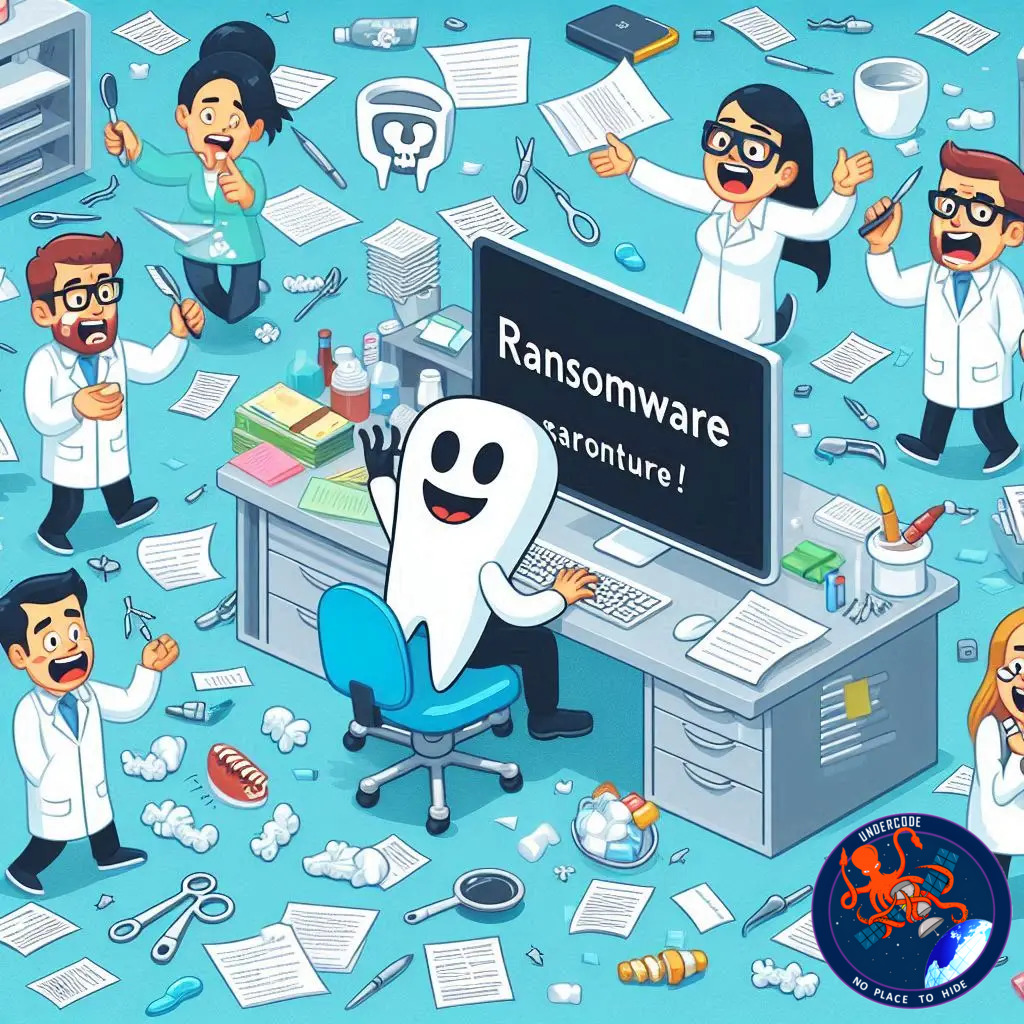
A Quiet Industry, A Loud Cyber Shock
Dental laboratories rarely make headlines. They work behind the scenes, crafting crowns, bridges, and precision components that keep regional healthcare systems running smoothly. That calm was reportedly shattered in December 2025, when Reger Zahntechnik, a dental laboratory based in Nuremberg, Germany, became the latest alleged victim of a ransomware incident.
Why This Incident Drew Attention
The case surfaced through cybersecurity monitoring circles rather than official corporate disclosures. A short post shared by a threat-monitoring account suggested that the ransomware group known as Safepay had targeted the lab, disrupting services across parts of the region. While details remain limited, the implications are difficult to ignore.
Who Is Reger Zahntechnik
Reger Zahntechnik is described as a regional dental laboratory serving clinics and dental practices in and around Nuremberg. Operations like these depend heavily on digital workflows, from 3D scanning and CAD software to order management and logistics. Any prolonged system outage can ripple quickly into patient care delays.
The Alleged Ransomware Attack
According to the reported information, the threat actor Safepay allegedly carried out a ransomware attack against the lab. The incident reportedly caused service disruptions, suggesting that internal systems may have been encrypted or taken offline as part of the attack process.
Safepay’s Growing Name in Cybercrime Circles
Safepay is a name that has appeared more frequently in ransomware monitoring feeds over recent months. While not as globally notorious as older ransomware brands, the group has been associated with attacks on small and medium-sized organizations, often in specialized or regional industries.
How the News Broke
The information emerged via a cybersecurity-focused social media account that tracks ransomware claims and breach disclosures. The post linked back to a cybersecurity blog known for aggregating threat intelligence reports, rather than to a public statement from the victim organization.
Lack of Official Confirmation
At the time of reporting, there was no public confirmation from Reger Zahntechnik itself. This leaves the incident in a reported or claimed state, highlighting a common challenge in ransomware coverage where threat actors publicize attacks before victims acknowledge them.
Impact on Regional Dental Services
Even a short-term outage at a dental lab can create cascading delays. Clinics rely on precise turnaround times for prosthetics and custom dental work. Disruption can mean postponed procedures, rescheduled appointments, and frustrated patients.
Why Dental Labs Are Vulnerable
Dental laboratories sit at an uncomfortable intersection of healthcare and manufacturing. They often store sensitive patient data but lack the cybersecurity budgets of large hospitals. At the same time, they rely on always-on production systems that make downtime especially costly.
Digital Dentistry and Risk Exposure
Modern dental labs depend on networked milling machines, 3D printers, and design software. These connected environments expand the attack surface. A single compromised endpoint can potentially halt an entire production line.
Germany’s Broader Ransomware Landscape
Germany has been one of Europe’s more frequently targeted countries in ransomware campaigns. Small and medium enterprises remain a favored target due to their limited defenses and high pressure to restore operations quickly.
The Silence After the Initial Report
Following the initial post, no further technical details were released. There was no mention of data exfiltration, ransom demands, or recovery timelines. This silence is typical in early-stage ransomware reporting.
What We Know So Far
All currently available information points to a claimed ransomware incident attributed to Safepay, with reported service disruption at a Nuremberg-based dental lab. Beyond that, facts remain scarce and unverified.
What Undercode Say:
A Familiar Pattern in a New Sector
From an analytical perspective, this reported incident fits a familiar ransomware pattern. Threat actors increasingly focus on niche service providers embedded in critical supply chains. Dental labs may seem small, but their role makes them operationally critical.
Pressure as the Real Weapon
Ransomware is no longer just about encryption. It is about pressure. A dental lab facing production downtime knows that every hour offline damages relationships with clinics. That pressure can quietly push organizations toward fast, costly decisions.
Safepay’s Strategic Targeting
If Safepay is indeed responsible, the choice of target suggests strategic intent. Groups like this often avoid heavily regulated hospital systems and instead strike adjacent healthcare providers that lack incident response maturity.
Limited Public Disclosure Is Not Accidental
Organizations in healthcare-adjacent industries often delay disclosure to avoid reputational damage. This creates an information gap that threat actors exploit by controlling the narrative through leak sites or third-party reports.
The Risk of Underestimating “Small” Victims
There is a persistent misconception that only large enterprises matter in ransomware economics. In reality, small and medium labs can be more profitable targets due to weaker defenses and fewer legal resources.
Operational Technology Meets IT Risk
Dental labs blend traditional IT systems with operational technology. CAD servers, milling machines, and production schedulers are rarely segmented properly. This convergence increases the blast radius of a single compromise.
Data Theft Still Looms in the Background
Even when service disruption is the visible symptom, data exfiltration is often part of modern ransomware playbooks. Patient-related files, design specifications, and contracts can all become leverage points.
Germany’s Compliance Pressure
German organizations operate under strict data protection laws. A ransomware incident involving patient data can quickly escalate from an IT problem to a regulatory and legal crisis.
Why Confirmation Often Comes Late
Victims frequently wait until internal investigations are complete before making statements. During that window, the public relies on threat intelligence posts that may be incomplete or one-sided.
The Cost of Recovery Goes Beyond Ransom
Even if no ransom is paid, recovery costs can be severe. System rebuilds, forensic analysis, legal consultations, and lost business often exceed the ransom demand itself.
Lessons for Similar Labs
This case should serve as a warning to similar labs across Europe. Cybersecurity is no longer optional infrastructure. It is a core operational requirement, just like skilled technicians and precision equipment.
Monitoring Alone Is Not Enough
Many organizations believe that passive monitoring is sufficient. Without active segmentation, backups, and incident response planning, monitoring only tells you when it is too late.
The Visibility Problem
Ransomware incidents in niche sectors rarely receive mainstream coverage. That lack of visibility slows collective learning and allows threat actors to reuse the same tactics across similar targets.
A Quiet Signal With Loud Implications
Even as an unconfirmed report, this incident signals a continued expansion of ransomware into specialized healthcare supply chains. That trend is unlikely to reverse without structural security improvements.
Fact Checker Results
✅ Reger Zahntechnik is reported as the alleged target of a ransomware incident.
❌ No public confirmation from the company or authorities is currently available.
⚠️ Attribution to Safepay remains based on threat-monitoring claims only.
Prediction
🔮 Dental laboratories and similar healthcare suppliers will see increased ransomware attention in 2026.
🔮 Threat groups will continue targeting operationally critical but low-visibility organizations.
🔮 Regulatory pressure in Europe may force faster disclosure and stronger baseline defenses.
🕵️📝✔️Let’s dive deep and fact‑check.
References:
Reported By: x.com
Extra Source Hub (Possible Sources for article):
https://www.discord.com
Wikipedia
OpenAi & Undercode AI
Image Source:
Unsplash
Undercode AI DI v2
Bing
🔐JOIN OUR CYBER WORLD [ CVE News • HackMonitor • UndercodeNews ]
📢 Follow UndercodeNews & Stay Tuned:
𝕏 formerly Twitter 🐦 | @ Threads | 🔗 Linkedin | 🦋BlueSky | 🐘Mastodon


