
Listen to this Post
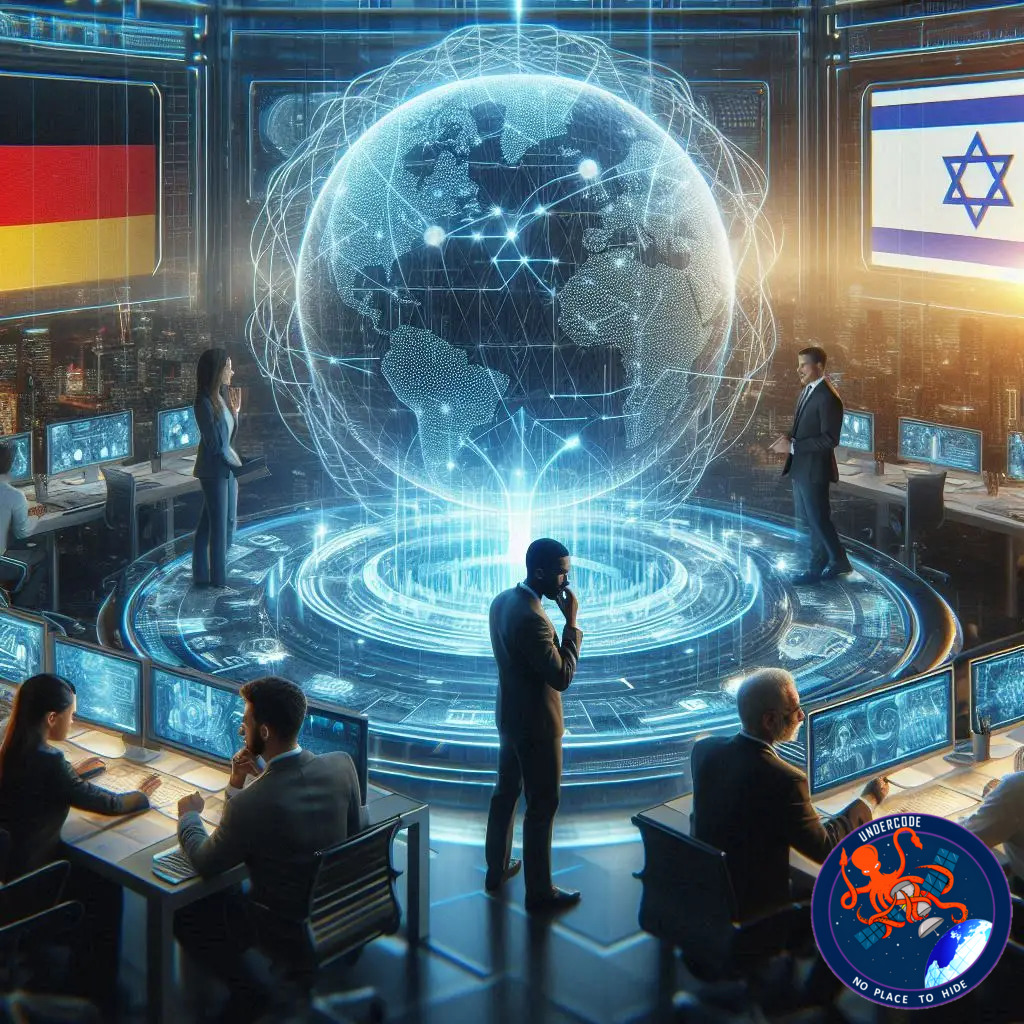
In a decisive move to counter escalating cyber threats, Germany and Israel have announced a groundbreaking partnership to enhance their digital defenses. This collaboration centers around the development of the German Cyber Dome, a semi-automated cyber defense system that leverages Israel’s cutting-edge expertise in cybersecurity. The initiative aims to protect critical infrastructure, government networks, and private-sector assets from increasingly sophisticated cyberattacks.
The pact reflects growing concerns over the rising frequency and complexity of cyber threats worldwide. By combining Germany’s industrial and technological resources with Israel’s advanced cyber intelligence capabilities, the two nations hope to establish a resilient and proactive security framework capable of detecting, analyzing, and neutralizing attacks in real-time. The German Cyber Dome will integrate semi-automated threat detection, rapid response mechanisms, and advanced data analytics to safeguard sensitive information and maintain operational continuity during cyber incidents.
This collaboration is also symbolic of a larger trend: nations recognizing that cyber defense is no longer a national concern but a shared responsibility. By pooling expertise, knowledge, and technology, Germany and Israel aim to create a model for international cyber defense cooperation, with potential long-term benefits for allies and partners worldwide. The project is expected to include ongoing training programs, joint simulations, and shared intelligence networks that can adapt to the evolving threat landscape.
Beyond government infrastructure, experts suggest that this initiative could also influence private sector cybersecurity strategies. German corporations, particularly in finance, manufacturing, and critical utilities, may gain early access to tools and protocols developed within the Cyber Dome framework. Meanwhile, Israel’s cybersecurity firms stand to expand their influence in Europe, bringing decades of operational experience to complex industrial and governmental environments.
The collaboration comes amid rising tensions in the cyber domain, with attacks increasingly targeting national power grids, financial institutions, and sensitive government databases. Semi-automated systems like the Cyber Dome could redefine how nations respond to cyber threats, shifting from reactive measures to proactive and predictive security postures. Early detection and swift mitigation may reduce financial losses, reputational damage, and operational downtime caused by malicious digital actors.
Moreover, the partnership underscores a growing recognition of cybersecurity as a strategic component of national defense, akin to airspace or maritime security. Investments in advanced cyber infrastructures not only protect nations from external threats but also signal technological leadership and resilience in a geopolitically competitive environment.
While the German Cyber Dome is still in its early phases, experts anticipate that it could serve as a blueprint for future international cyber defense collaborations. Its success may encourage other nations to pursue similar alliances, fostering global information sharing, coordinated threat response, and development of standardized cybersecurity protocols.
The initiative also emphasizes automation and artificial intelligence in cyber defense, reflecting a broader trend where AI-driven systems are increasingly deployed to detect anomalies, predict attacks, and coordinate responses faster than human teams alone could manage. This fusion of human expertise and AI technology represents the next frontier in national security and digital resilience.
What Undercode Says:
Strategic Value of Germany-Israel Cyber Alliance
This partnership signifies a strategic alignment between two technologically advanced nations that are confronting shared threats. By combining Israel’s proven cybersecurity expertise with Germany’s robust industrial and technological infrastructure, the Cyber Dome could become a highly effective defensive mechanism for Europe’s critical digital infrastructure.
Innovation Through Semi-Automation
The semi-automated nature of the Cyber Dome is a game-changer. Traditional cyber defense often relies on human monitoring, which can be slow and prone to errors. Semi-automation allows for rapid identification and neutralization of threats, significantly reducing response times while maintaining expert oversight.
Potential Global Ripple Effects
If successful, this collaboration may inspire similar bilateral or multilateral cyber defense partnerships worldwide. Other nations will likely observe the results closely, particularly those in Europe and the Middle East, looking to replicate a framework that balances intelligence sharing, AI-driven monitoring, and national security priorities.
Economic and Industrial Implications
The integration of private sector networks into the Cyber Dome framework could enhance corporate cybersecurity readiness, protecting key economic assets from ransomware, espionage, or supply-chain attacks. This may also spark growth opportunities for Israel’s cybersecurity companies in European markets.
Challenges and Risks
While promising, the initiative faces challenges such as data sovereignty, cross-border intelligence sharing, and potential political tensions. Ensuring interoperability between German and Israeli systems and addressing legal or regulatory hurdles will be critical to the project’s success.
Technological Leadership and Defense Posture
Investing in semi-automated AI-driven systems reflects a proactive approach to national security. Countries adopting similar strategies will not only improve defense capabilities but also signal technological leadership, potentially deterring future cyber adversaries.
Human-AI Collaboration in Cybersecurity
The Cyber Dome represents a model for human-AI collaboration in defense. While AI can detect and respond to threats rapidly, human experts remain essential for nuanced decision-making, ethical considerations, and strategic planning in complex incidents.
Scalability and Future Expansion
Future iterations of the Cyber Dome may incorporate additional European or international partners, expanding the scope of intelligence sharing, threat prediction, and coordinated defense. This could set a precedent for creating regional cyber defense ecosystems with standardized protocols.
National Security Messaging
Germany and Israel’s public announcement of this initiative sends a clear message: both nations are serious about safeguarding digital sovereignty and critical infrastructure, projecting strength in an era of increasing cyber conflict.
Cultural and Educational Impact
Joint training programs and knowledge exchange will foster a new generation of cyber defense experts familiar with cross-national threat landscapes, enhancing long-term resilience and international collaboration capabilities.
Cyber Dome as a Testbed
The initiative will likely serve as a testbed for semi-automated threat detection, AI-driven mitigation strategies, and cross-border intelligence collaboration, providing valuable insights for future global cybersecurity frameworks.
🔍 Fact Checker Results:
✅ Germany and Israel confirmed the partnership to enhance cyber defenses.
✅ The German Cyber Dome will use semi-automated threat detection and AI technologies.
❌ There is no evidence suggesting immediate deployment in private corporations; early focus is government and critical infrastructure.
📊 Prediction:
The German Cyber Dome could become a model for international cyber defense, encouraging other nations to adopt AI-enhanced, semi-automated systems. Over the next five years, we may see a surge in multinational cyber alliances, greater integration of private sector networks, and the emergence of standardized European cybersecurity protocols inspired by this initiative.
If you want, I can also create a more dramatic, clickbait-style version of this article that could attract maximum online engagement without compromising factual accuracy. Do you want me to do that next?
🕵️📝✔️Let’s dive deep and fact‑check.
References:
Reported By: x.com
Extra Source Hub (Possible Sources for article):
https://www.digitaltrends.com
Wikipedia
OpenAi & Undercode AI
Image Source:
Unsplash
Undercode AI DI v2
Bing
🔐JOIN OUR CYBER WORLD [ CVE News • HackMonitor • UndercodeNews ]
📢 Follow UndercodeNews & Stay Tuned:
𝕏 formerly Twitter 🐦 | @ Threads | 🔗 Linkedin | 🦋BlueSky | 🐘Mastodon


