
Listen to this Post
Introduction: Why This Update Actually Matters
For years, engineering leaders have struggled to get a clear, unified picture of code quality across large organizations. Individual repository tools existed, but organization-wide visibility remained fragmented. That gap is now closing. GitHub has introduced an organization-level Code Quality dashboard, now available in public preview, signaling a major shift in how teams monitor, compare, and prioritize code health at scale.
the Original Announcement
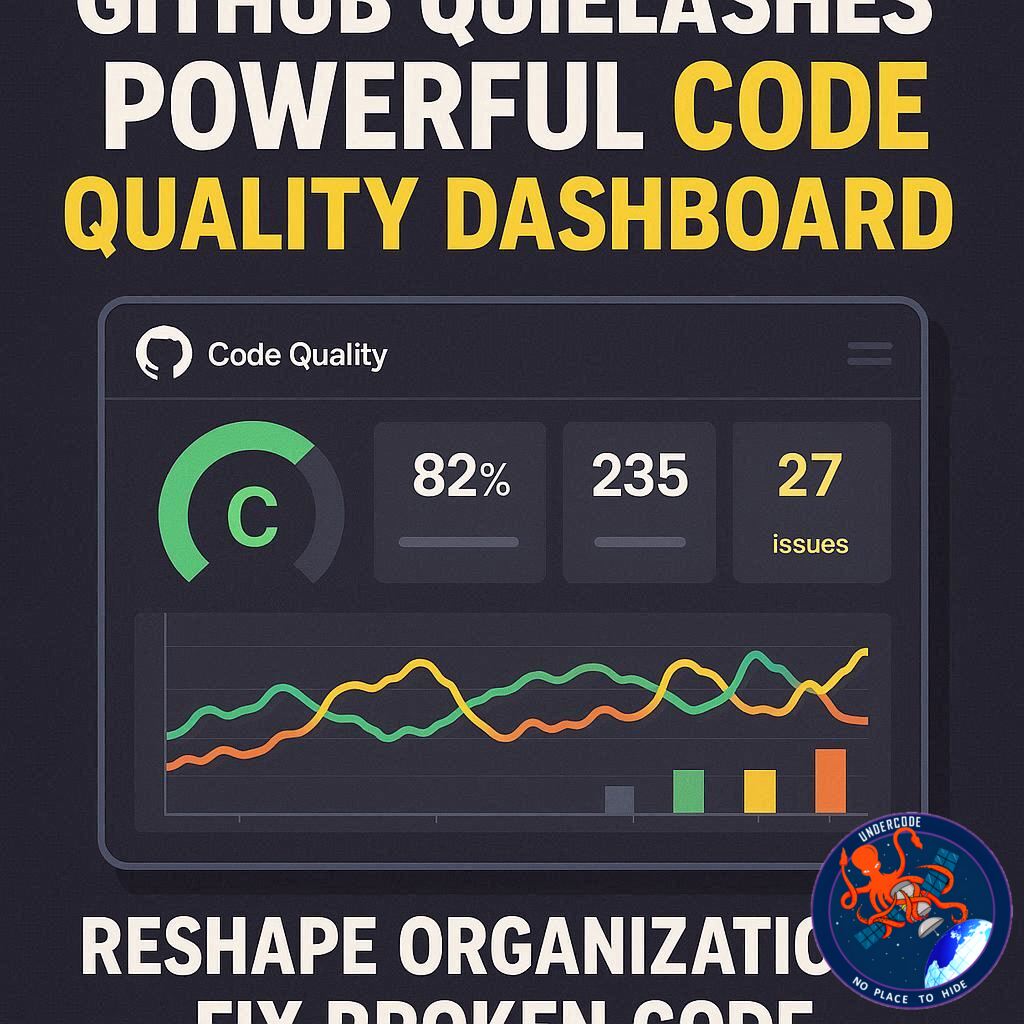
The newly released GitHub Code Quality organization dashboard provides a centralized view of code health across all repositories where Code Quality is enabled. Accessible from the “Code quality” section under the organization-level Security tab, the dashboard allows stakeholders to quickly understand the overall state of their codebase.
Organization owners and administrators gain full visibility across all repositories, while developers can access insights only for repositories where they hold write permissions. This permission-aware design ensures sensitive projects remain protected while still enabling transparency where appropriate.
The dashboard enables cross-repository comparison, allowing teams to measure reliability, maintainability, and other quality attributes side by side. Repositories can be sorted and filtered, making it easier to identify problem areas, technical debt hotspots, or projects that require immediate intervention.
This feature is currently available to organizations participating in the GitHub Code Quality public preview, both on github.com and GitHub Enterprise Cloud with data residency enabled. GitHub has also opened feedback channels through its official documentation and announcement threads, inviting the developer community to shape the future of the tool.
What Undercode Say:
Centralized Visibility Changes How Engineering Teams Think
This dashboard is less about metrics and more about organizational behavior. When code quality becomes visible at the organization level, it stops being a local problem and turns into a shared responsibility. Teams can no longer hide behind isolated repositories with declining standards.
Metrics as a Governance Tool, Not Just a Debugging Aid
By exposing reliability and maintainability trends across repositories, GitHub is effectively turning Code Quality into a lightweight governance mechanism. Engineering leaders can spot patterns: which teams consistently ship stable code, and which ones accumulate silent technical debt.
Reduced Guesswork in Technical Debt Prioritization
One of the hardest problems in software management is deciding what to fix first. This dashboard reframes that decision using comparative data. Instead of anecdotal complaints, leaders can now point to measurable quality gaps when allocating time and resources.
Permission-Aware Design Builds Trust
The dashboard’s respect for repository permissions is not accidental. It prevents the tool from becoming a surveillance mechanism while still empowering those with responsibility. This balance is critical for adoption in large organizations with strict access controls.
Competitive Pressure Inside Organizations
When repositories are displayed side by side, an unspoken pressure emerges. Teams begin to benchmark themselves against peers. Over time, this can organically raise internal quality standards without mandates or policy documents.
A Strategic Move Toward Platform-Level Quality Management
GitHub is signaling that code quality is no longer an optional add-on. By embedding it into organization-level security views, it positions quality alongside vulnerabilities and compliance—suggesting that bad code is a risk, not just an inconvenience.
🔍 Fact Checker Results
Feature Availability
✅ The organization-level dashboard is confirmed to be in public preview.
Access Control Claims
✅ Repository visibility correctly aligns with owner, admin, and write-access permissions.
Platform Scope
✅ Availability includes github.com and GitHub Enterprise Cloud with data residency.
📊 Prediction
Short-Term Impact
🚀 Early adopters will use the dashboard primarily for visibility and reporting, not enforcement.
Medium-Term Shift
📈 Engineering managers will begin tying dashboard metrics to planning and refactoring cycles.
Long-Term Outlook
🔮 Organization-level code quality dashboards will become a standard expectation, pushing GitHub toward deeper AI-driven remediation and automated quality gates.
update is not flashy—but it is structural. And structural changes are the ones that quietly redefine how software organizations operate.
🕵️📝✔️Let’s dive deep and fact‑check.
References:
Reported By: github.blog
Extra Source Hub (Possible Sources for article):
https://www.digitaltrends.com
Wikipedia
OpenAi & Undercode AI
Image Source:
Unsplash
Undercode AI DI v2
Bing
🔐JOIN OUR CYBER WORLD [ CVE News • HackMonitor • UndercodeNews ]
📢 Follow UndercodeNews & Stay Tuned:
𝕏 formerly Twitter 🐦 | @ Threads | 🔗 Linkedin | 🦋BlueSky | 🐘Mastodon


