
Listen to this Post
 🔥 Shocking Cyber Intrusion Raises New Supply Chain Security Fears
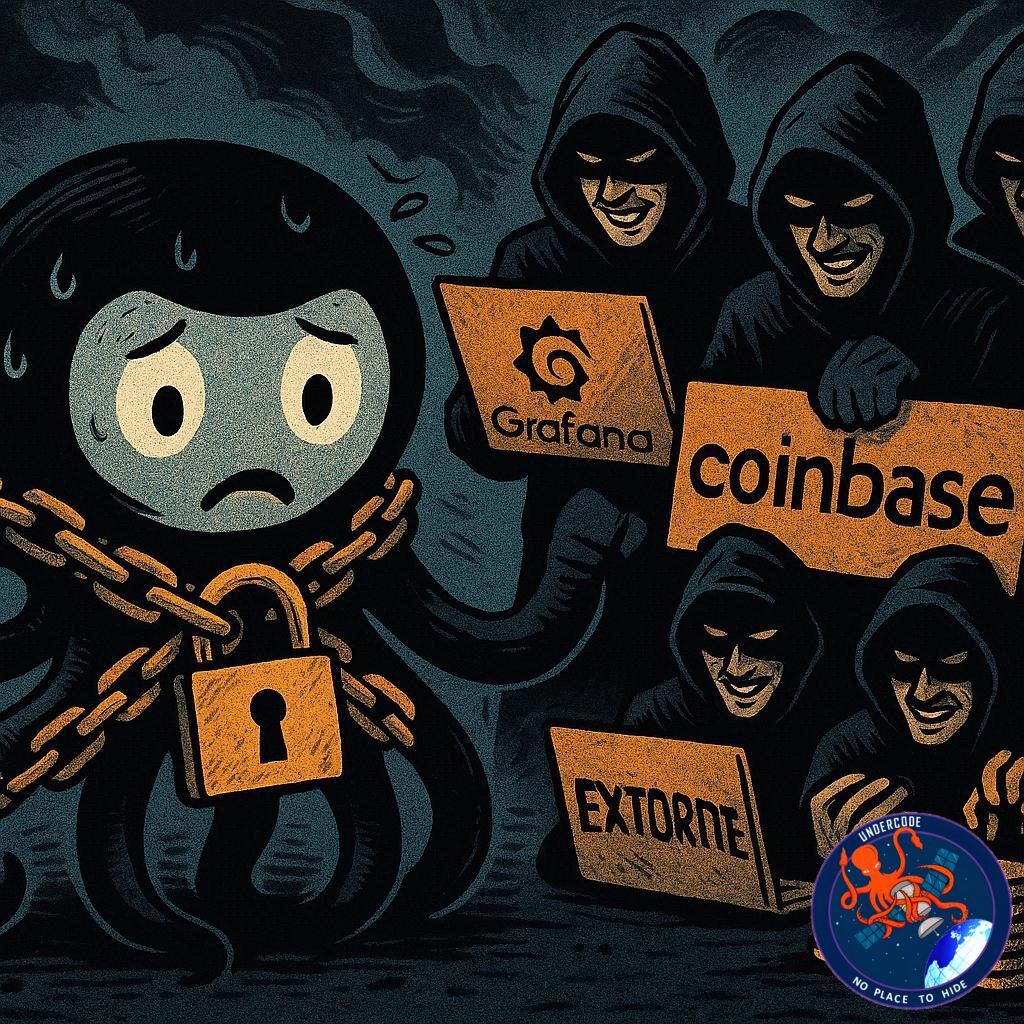
The cybersecurity landscape has been shaken by a newly reported breach involving Grafana Labs, where attackers allegedly used a stolen token tied to GitHub to access and download portions of source code. While the company confirmed that no customer data or personal information was exposed, the incident has sparked renewed concern over supply chain vulnerabilities and access-token security. A threat actor group calling itself “CoinbaseCartel” has publicly claimed responsibility for the intrusion and attempted extortion following the access. The breach highlights how even development infrastructure, rather than production systems, can become a high-value target. Security analysts emphasize that token-based access remains one of the weakest links in modern DevOps pipelines. The incident also underscores the growing trend of hackers targeting developer environments instead of traditional databases. Grafana Labs has stated that patches and containment measures were immediately applied. The stolen token reportedly allowed limited repository access but did not compromise user-facing systems. Despite the reassurance, reputational and operational risks remain significant. Cybersecurity experts warn that similar attacks are increasing across software supply chains globally. The situation continues to be monitored as investigators analyze the attacker’s methods and intent.
📊 Comprehensive the Cyberattack Incident and Extortion Attempt
Grafana Labs confirmed that attackers gained unauthorized access through a compromised token associated with GitHub. The token was reportedly stolen and used to download portions of internal source code repositories. The company clarified that no customer data, personal information, or production systems were accessed during the breach. Despite this, the attackers—self-identified as “CoinbaseCartel”—claimed responsibility for the intrusion and attempted to extort the organization. The breach was quickly contained after detection, with access revoked and security controls tightened. Grafana Labs emphasized that the incident was limited to code-level exposure and did not affect user environments. Security teams immediately launched an internal investigation to determine the scope of token misuse. Early findings suggest that the attackers exploited developer credential weaknesses rather than system-level vulnerabilities. The stolen code may provide insight into internal architecture but does not include sensitive customer datasets. Industry observers note that GitHub-based token leaks are increasingly common in modern cyberattacks. The attackers reportedly attempted to leverage the stolen data for ransom demands. Grafana Labs refused to engage with extortion attempts and instead focused on mitigation. The company also confirmed that no ongoing unauthorized access remains. The incident has been reported as part of broader monitoring of supply chain threats. Cybersecurity teams across the industry are now reassessing token security practices in response.
🧠 What Undercode Say:
🔐 Token-Based Attacks Are Becoming the New Entry Point
The breach demonstrates how attackers increasingly bypass traditional perimeter defenses by targeting developer credentials instead of infrastructure.
⚙️ Developer Environments Are Now High-Value Targets
Access to source code repositories often provides enough intelligence for attackers to map systems without touching production servers.
🧩 Limited Exposure Does Not Mean Low Risk
Even without customer data leaks, stolen source code can reveal architectural weaknesses and future exploitation paths.
🧪 Supply Chain Security Is Still Underestimated
Organizations continue to prioritize runtime security while underinvesting in repository and CI/CD pipeline protection.
🧠 GitHub Tokens Remain a Critical Weak Link
Tokens stored improperly or exposed through misconfigurations continue to be one of the easiest entry points for attackers.
📉 Extortion Without Data Leaks Is Rising
Threat groups are increasingly attempting ransom demands based solely on code theft or partial access.
🔍 Attribution to “CoinbaseCartel” Remains Unverified
The claimed responsibility has not been independently confirmed by cybersecurity investigators.
🧱 Incident Containment Appears Effective
Rapid revocation of credentials suggests that monitoring systems and response protocols worked as intended.
⚠️ No Evidence of Customer Impact Reduces Severity
While alarming, the absence of user data exposure significantly reduces regulatory and legal consequences.
🌐 Broader Industry Implications Are Significant
The attack reflects a systemic trend toward targeting development pipelines across SaaS ecosystems.
🧬 Source Code Exposure Can Fuel Future Attacks
Even non-sensitive code can be analyzed for vulnerabilities that may be exploited later.
🛡️ Security Teams Must Shift Left Faster
Preventing token leakage at the developer stage is now more critical than downstream incident response.
📦 CI/CD Pipelines Are Still Overexposed
Automation systems remain attractive targets due to persistent credential reuse and weak segmentation.
🔁 Credential Rotation Is Often Delayed
Delayed token revocation increases the window of exposure in many organizations.
📊 Git-Based Ecosystems Need Stronger Guardrails
Modern development platforms require stricter authentication enforcement and anomaly detection.
🧭 Threat Intelligence Sharing Is Crucial
Faster sharing of indicators linked to groups like CoinbaseCartel improves collective defense.
🧪 Extortion Tactics Are Evolving Strategically
Even partial access is now used as leverage in cybercrime negotiations.
🔐 Zero Trust Must Extend to Dev Tools
Security models must treat repositories as sensitive infrastructure, not just storage.
🚨 Incident Highlights Human Error Factor
Most token leaks originate from misconfiguration or developer oversight rather than advanced exploits.
🌍 Cyber Risk Is Shifting Toward Software Creation Layers
The earliest stages of software development are becoming the primary battlefield for attackers.
🔍 Fact Checker Results
✔ Grafana Labs confirmed source code access via stolen GitHub token, not customer data exposure.
✔ CoinbaseCartel claim remains unverified by independent cybersecurity authorities.
✔ No evidence of production system compromise or user data leakage reported.
📈 Prediction
The frequency of token-based breaches targeting developer platforms is expected to rise significantly as attackers prioritize low-friction access routes. Organizations relying on GitHub and similar services will likely face increased pressure to implement mandatory hardware-based authentication and real-time token anomaly detection. Extortion attempts based solely on partial code access may become more common, even when no customer data is involved, reshaping how cybersecurity teams define “impact” in breach reporting standards.
🕵️📝Let’s dive deep and fact‑check.
References:
Reported By: x.com
Extra Source Hub (Possible Sources for article):
https://www.discord.com
Wikipedia
OpenAi & Undercode AI
Image Source:
Unsplash
Undercode AI DI v2
Bing
🔐JOIN OUR CYBER WORLD [ CVE News • HackMonitor • UndercodeNews ]
📢 Follow UndercodeNews & Stay Tuned:
𝕏 formerly Twitter 🐦 | @ Threads | 🔗 Linkedin | 🦋BlueSky | 🐘Mastodon


