
Listen to this Post
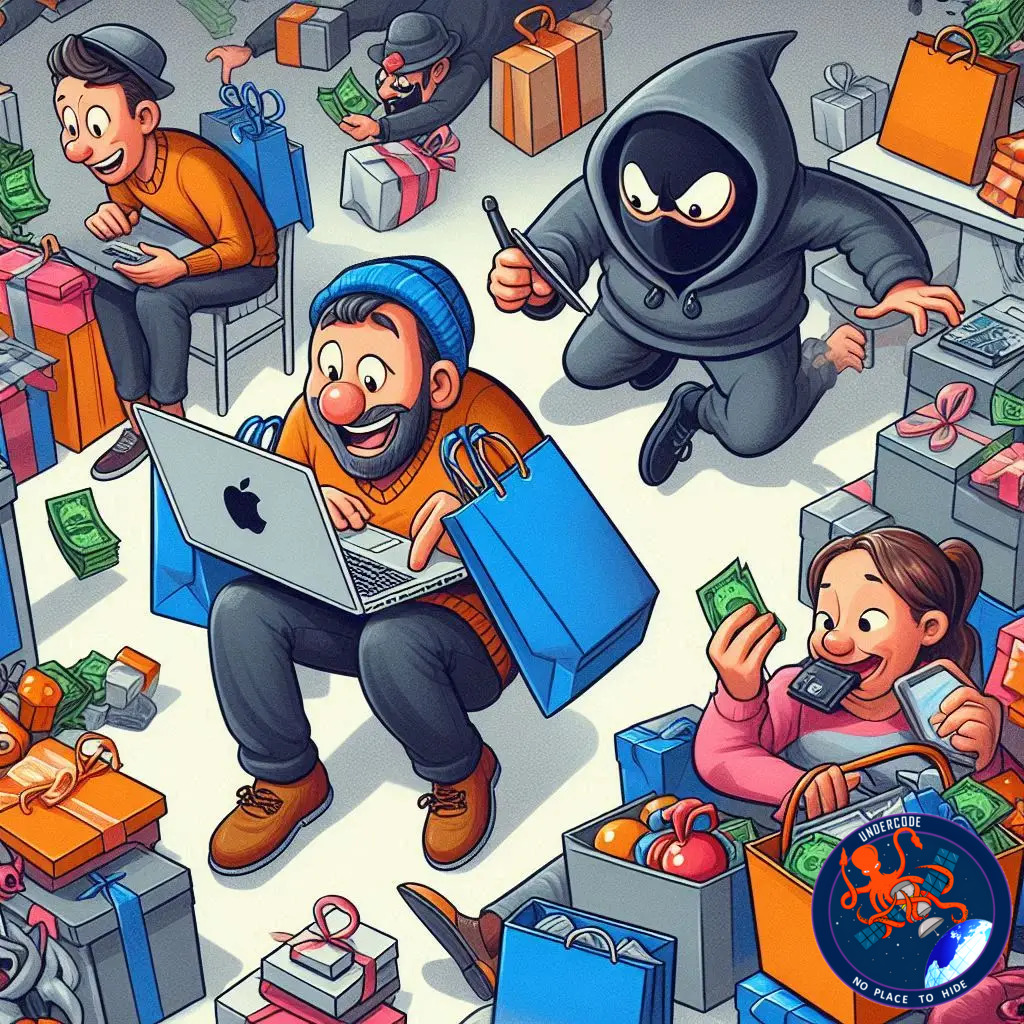
Introduction: The Dark Side of Black Friday Deals
Black Friday has long been celebrated as the ultimate shopping event in the United States, drawing hordes of consumers eager for discounts. But in recent years, the phenomenon has expanded far beyond American borders, transforming into a global retail season stretching weeks, sometimes even a month. While shoppers hunt for bargains, cybercriminals are quietly ramping up their operations, exploiting the surge in online traffic, urgency-driven purchases, and trust in popular brands. This extended shopping period has created the perfect storm for digital fraud, from phishing emails and fake delivery alerts to sophisticated malware campaigns.
Global Spread of Black Friday Promotions
Although the US officially marks Black Friday on the fourth Friday of November (November 28, 2025), many countries begin their sales earlier. In Romania, for instance, promotions kicked off on October 30, while some European brands strategically timed their campaigns to coincide with the US schedule. This month-long window provides scammers with ample opportunity to target consumers across multiple regions and languages.
The Numbers Behind the Scams
Bitdefender’s Antispam Lab reported that from October 1 to November 10, 53% of global Black Friday-related spam consisted of scams, with the remaining 47% being aggressive marketing. As the season progresses, experts anticipate spikes in fake delivery and shipping scams, particularly in the final week of November. Geographic data reveals the US is the main target (60% of scams), followed by Germany (12%), Ireland (7%), South Africa (4%), and the UK (3%). The primary sources of spam include the US (43%), the Netherlands (14%), and Indonesia (13%).
Scams Targeting Trusted Brands
The rise in consumer spending—US shoppers alone spent $10.8 billion online on Black Friday 2024—has made brand impersonation a central tactic in Black Friday scams. Cybercriminals clone logos, marketing language, and web designs to make fraudulent messages appear legitimate. Amazon is the most impersonated brand, appearing in phishing emails, fake coupon offers, and mobile scams. Other commonly targeted companies include MediaMarkt, TEMU, IKEA, Kaufland, Grohe, Oral-B, Binance, Louis Vuitton, Jack Daniel’s, Reese’s, and United Healthcare.
Examples of Sophisticated Campaigns
In German-speaking countries, consumers faced phishing campaigns impersonating MediaMarkt, Amazon, and TEMU, offering €500–€1,000 vouchers or iPhones. These campaigns leveraged Google Cloud infrastructure to bypass spam filters, making them difficult to block. Similarly, recurring luxury scams promised discounted designer products, such as Louis Vuitton bags for $200, using templates that have been reused for over a decade.
High-End Threats: Malware and Cryptocurrency Scams
Bitdefender has also tracked multi-stage malware campaigns exploiting Black Friday hype. Malicious ads on Meta platforms promote fake “Binance × TradingView Black Friday bonuses,” redirecting users to counterfeit sites that steal browser data, credentials, and crypto-wallet information. These campaigns demonstrate how attackers blend e-commerce excitement with advanced technical exploits.
The Persistent Playbook
Across all regions—from early Romanian promotions to German-language phishing campaigns and upcoming US delivery scams—the strategies remain consistent: impersonate trusted brands, exploit urgency, and spread through every available platform. The interconnected ecosystem of email phishing, social media fraud, SMS phishing, and malvertising continues to grow more sophisticated each year.
What Undercode Say:
The Globalization of Fraud
Black Friday scams are no longer confined to one country or region. The proliferation of early promotions and global marketing campaigns has expanded the operational territory for cybercriminals. This globalization means that even shoppers outside traditional high-spending markets are vulnerable.
Psychology of the Shopper
The driving force behind these scams is consumer psychology. Urgency, scarcity, and social proof are exploited through fake deals and phishing tactics. Scam campaigns often mimic familiar brands, exploiting trust to bypass rational skepticism.
Brand Impersonation as a Core Tactic
Brand impersonation is more than just logo theft; it’s the backbone of Black Friday fraud. Sophisticated campaigns clone websites, email templates, and social media profiles. Amazon’s prevalence in scams highlights how targeting globally recognized brands maximizes potential victims.
Technical Sophistication
The use of legitimate cloud services, like Google Cloud, allows scams to bypass traditional spam filters. Malware operations targeting cryptocurrency users further demonstrate the increasing complexity of Black Friday fraud. These campaigns are not isolated but part of a larger, multi-platform ecosystem.
Recurring Campaign Patterns
Despite technical advancements, many scams reuse templates, messages, and even subject lines year after year. This recycling shows that successful tactics are refined over time, demonstrating both adaptability and persistence among threat actors.
Economic Impact and Incentives
Rising online spending, such as the 10.2% increase in US Black Friday e-commerce from 2023 to 2024, directly correlates with scam activity. As long as large sums circulate during this season, fraudsters have financial incentives to continue evolving their techniques.
Regional Targeting
Geographic analysis reveals a strategic selection of targets. While North America and Europe dominate, campaigns also impact Asia-Pacific, Latin America, and Eastern Europe, emphasizing that Black Friday fraud is truly global.
Cross-Platform Threats
The modern fraud landscape spans emails, SMS, social media, and paid ads. Cybercriminals exploit every available digital channel, creating overlapping layers of threat that increase the likelihood of victim engagement.
Long-Term Implications
Repeated exposure to scams can erode trust in e-commerce platforms, impacting both consumer behavior and brand reputations. Organizations must invest in security education, verification tools, and proactive threat mitigation.
Consumer Education and Prevention
Advising users to verify deals at official websites, scrutinize URLs, and use dedicated security tools remains the most effective defense. Awareness campaigns need to be as sophisticated as the scams themselves to reduce susceptibility.
The Evolution of Scam Strategies
Scammers demonstrate an ability to adapt to market and technological changes. From simple phishing to multi-stage malware, their strategies evolve annually, leveraging lessons learned from previous campaigns.
Fact Checker Results:
✅ Brand impersonation is the leading tactic in Black Friday scams.
✅ The US and Europe remain the primary targets, but campaigns are global.
❌ Traditional spam filters are increasingly ineffective against cloud-hosted scam infrastructure.
Prediction:
As online shopping continues to expand worldwide, Black Friday scams will intensify and diversify. Expect AI-assisted phishing, faster malware deployment, and deeper social media manipulation. Consumers and brands alike will need smarter verification methods and real-time threat detection to stay ahead of evolving attacks.
If you want, I can also rewrite this version into an SEO-optimized article with subheadings and rich keyword placement to increase search engine visibility. Do you want me to do that?
🕵️📝✔️Let’s dive deep and fact‑check.
References:
Reported By: www.bitdefender.com
Extra Source Hub (Possible Sources for article):
https://www.discord.com
Wikipedia
OpenAi & Undercode AI
Image Source:
Unsplash
Undercode AI DI v2
Bing
🔐JOIN OUR CYBER WORLD [ CVE News • HackMonitor • UndercodeNews ]
📢 Follow UndercodeNews & Stay Tuned:
𝕏 formerly Twitter 🐦 | @ Threads | 🔗 Linkedin | 🦋BlueSky | 🐘Mastodon


