
Listen to this Post
Introduction: A Rapid Escalation in Global Cybersecurity Battles
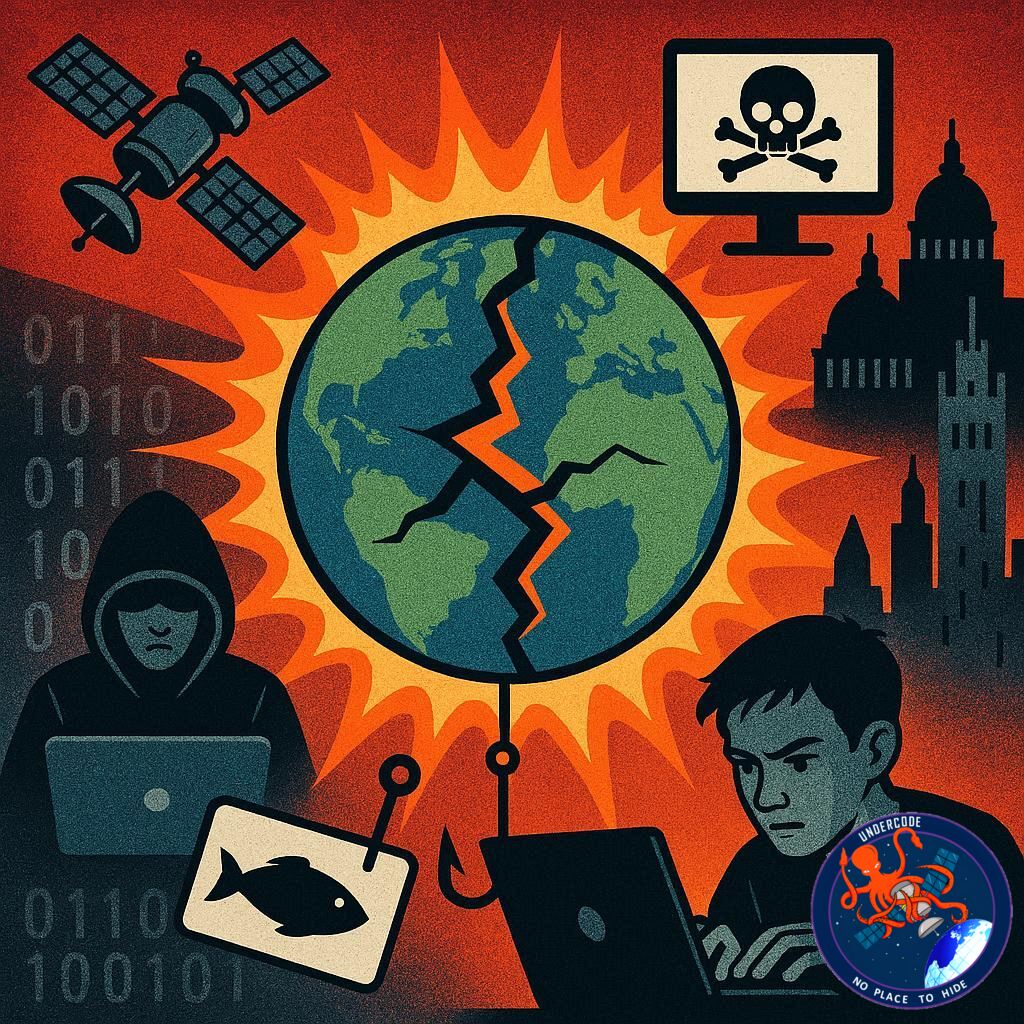
The global cybersecurity landscape is facing a rapid surge of high profile incidents that highlight how fragile digital systems have become across government, healthcare, and commercial infrastructure. Recent developments show coordinated international law enforcement actions, emerging legislative responses, and alarming exploitation of software vulnerabilities. From satellite communication security concerns to phishing kit takedowns and ransomware aftershocks still disrupting hospitals, the scope of cyber threats continues to expand. At the same time, younger attackers are increasingly entering the scene, as shown by recent arrests involving teenage hackers exploiting browser flaws worth significant financial value. These events collectively underline a world where cyber warfare, cybercrime, and policy response are evolving at the same time, often in direct conflict with each other.
Recent Cybersecurity Events and Global Responses
Governments and law enforcement agencies are stepping up their response to a growing wave of cyber threats targeting critical systems. A new legislative effort known as the Satellite Cybersecurity Act has been introduced by senators aiming to protect unencrypted commercial satellite signals that remain vulnerable to interception and manipulation. This move reflects rising concerns that space based communication infrastructure is becoming an attack surface for hostile actors.
In parallel, international cooperation between agencies has led to a successful takedown of the W3LL phishing kit. The operation involved the FBI field office in Atlanta working alongside Indonesian police forces. The phishing kit had been widely used to steal credentials and enable unauthorized access to corporate and personal accounts, making it a major enabler of cybercrime campaigns across multiple regions.
Another major development involves the exposure of a Chrome browser vulnerability valued at around 90,000 dollars on underground markets. The exploit was reportedly discovered and leveraged by a teenage hacker, who has since been arrested. This incident highlights the increasing sophistication of younger individuals entering the cyber threat ecosystem and the high value placed on browser level exploits.
Meanwhile, healthcare cybersecurity remains under pressure. Nearly two years after a ransomware attack attributed to the Qilin group in June 2024, the Synnovis incident continues to affect healthcare services in South London and Maudsley NHS facilities. Pathology services are still experiencing significant backlogs, and concerns remain about patient data exposure and long term system recovery challenges. This ongoing disruption demonstrates how ransomware attacks can have multi year consequences on public health infrastructure.
Together, these incidents reflect a cybersecurity environment defined by escalating attacks, international enforcement collaboration, emerging regulatory frameworks, and long lasting operational damage to critical systems.
What Undercode Say:
Cybersecurity is no longer a reactive field but a continuous global conflict environment
Satellite infrastructure is becoming a new frontline in digital warfare due to weak encryption standards
Governments are now forced to legislate proactively rather than respond after breaches occur
The Satellite Cybersecurity Act signals recognition that space based systems are high value targets
Phishing kits like W3LL show how cybercrime has become industrialized and scalable
International cooperation between FBI Atlanta and Indonesian police highlights the borderless nature of cyber enforcement
Cybercrime networks are increasingly dependent on modular tools that can be bought and deployed easily
The arrest of a teenage hacker reflects a worrying trend of younger individuals entering high skill cyber exploitation
A 90K dollar Chrome vulnerability shows the extreme monetization of browser level security flaws
Browser security remains one of the most critical weak points in consumer cybersecurity
Ransomware incidents like Qilin continue to create long term systemic damage beyond initial attacks
Healthcare systems are especially vulnerable due to outdated infrastructure and operational dependency
Synnovis disruption shows that recovery timelines for ransomware can stretch into years
Patient data exposure increases long term risks including identity theft and institutional trust loss
Cybersecurity is now deeply tied to national security and public service continuity
Attackers are diversifying across phishing, ransomware, and zero day exploitation simultaneously
Law enforcement success in one area does not reduce global threat volume significantly
Cybercrime ecosystems regenerate quickly after takedowns due to decentralized structures
The financial incentive for exploits continues to drive innovation in malicious hacking
Legislation alone cannot fully mitigate risks without technological upgrades in infrastructure
Satellite security will likely become a major policy and defense priority in coming years
Healthcare cybersecurity investment remains lagging compared to threat escalation
Teen involvement in hacking suggests educational and ethical gaps in digital literacy systems
The global threat landscape is shifting faster than regulatory frameworks can adapt
Cross border enforcement cooperation is becoming essential for meaningful disruption of cybercrime networks
Attack surface expansion across satellites, browsers, and healthcare systems increases systemic vulnerability
Cybersecurity is evolving into a multi domain conflict spanning space, software, and public infrastructure
Incident response is no longer enough without long term resilience planning
The cost of breaches is increasingly measured in years of disruption rather than immediate financial loss
Future cyber policy will likely integrate defense, intelligence, and civilian infrastructure protection more tightly
Fact Checker Results
✔ Satellite cybersecurity legislation is being actively discussed in policy circles globally
✔ W3LL phishing kit takedown aligns with recent trends in international cybercrime operations
⚠ Chrome vulnerability value and teen hacker involvement should be verified against official case records for accuracy
Prediction
Satellite systems will become heavily regulated with mandatory encryption standards within the next few years
Phishing kit marketplaces will fragment further as law enforcement pressure increases
Browser exploits will continue to rise in underground value as attack surfaces expand
Healthcare cybersecurity recovery times will remain long unless major infrastructure upgrades are funded globally
🕵️📝✔️Let’s dive deep and fact‑check.
References:
Reported By: x.com
Extra Source Hub (Possible Sources for article):
https://www.medium.com
Wikipedia
OpenAi & Undercode AI
Image Source:
Unsplash
Undercode AI DI v2
Bing
🔐JOIN OUR CYBER WORLD [ CVE News • HackMonitor • UndercodeNews ]
📢 Follow UndercodeNews & Stay Tuned:
𝕏 formerly Twitter 🐦 | @ Threads | 🔗 Linkedin | 🦋BlueSky | 🐘Mastodon


