
Listen to this Post
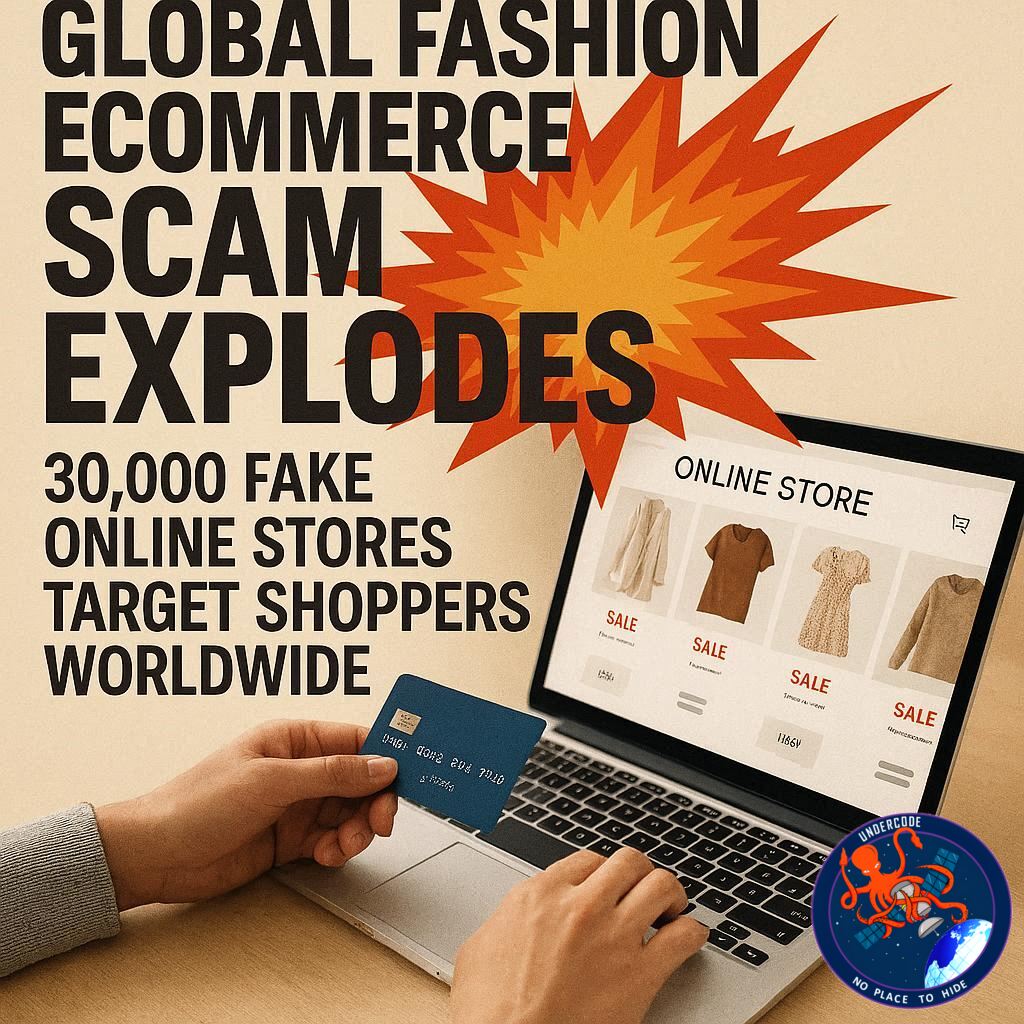
The world of online shopping is facing a massive cyber assault as more than 30,000 fraudulent fashion e-commerce sites have been uncovered across 80+ countries. These scam websites impersonate over 350 well-known fashion brands, using sophisticated methods like localized storefronts, fast domain switching, and highly convincing product catalogs to trick consumers. The operation, dubbed FraudWear, has become a major threat to global online shoppers, compromising personal and financial data on a massive scale.
Operation FraudWear: A Global Shopping Nightmare
FraudWear’s scale is staggering. Cybersecurity researchers report that the fake shops span multiple continents, targeting consumers in regions ranging from North America and Europe to Asia and Latin America. Each fraudulent website is tailored to appear as a legitimate local store, complete with region-specific pricing, languages, and even fake customer service contacts. By constantly rotating domain names and using automated tools to avoid detection, these cybercriminals stay one step ahead of security teams.
Impersonation of Top Brands
The scammers have chosen their targets carefully, focusing on over 350 internationally recognized fashion brands. From luxury labels to popular fast-fashion chains, no brand is safe. The websites not only replicate official branding but also mimic promotions, seasonal sales, and product lines, making it nearly impossible for an untrained eye to distinguish between the real and fake stores.
How Consumers Are Affected
Victims of FraudWear report multiple types of harm, including stolen credit card information, unauthorized purchases, and identity theft. Beyond direct financial loss, these attacks also erode trust in e-commerce platforms. Many consumers assume that a store appearing at the top of search results is legitimate, unaware that search engine optimization (SEO) tactics are being exploited by these criminals to increase visibility.
Rapid Domain Changes and Evasion Tactics
One of the most alarming aspects of FraudWear is the use of rapid domain switching. Once a domain is flagged and taken down, the operators quickly launch new websites with minor tweaks to continue scamming unsuspecting buyers. Cybersecurity firms are struggling to keep pace with these constant changes, highlighting the need for real-time monitoring and automated threat detection systems.
Law Enforcement and International Cooperation
Authorities around the globe are now collaborating to dismantle FraudWear, but the scale and sophistication of the operation pose significant challenges. Efforts are underway to track the cybercriminal networks, trace their financial transactions, and alert consumers about new fraudulent sites in real time. However, the transnational nature of the attacks complicates jurisdiction and prosecution.
What Undercode Says:
Widespread Consumer Risk
The rise of FraudWear underscores how vulnerable online shoppers remain despite advanced cybersecurity measures. The combination of brand impersonation and local targeting increases the likelihood of successful attacks, especially among casual buyers who may not scrutinize website URLs or security certificates.
Cybersecurity Industry Response
FraudWear is a wake-up call for both cybersecurity firms and e-commerce platforms. Real-time monitoring, AI-driven threat detection, and public awareness campaigns must become standard. Businesses may also need to implement brand protection services to track domain misuse and prevent impersonation.
Economic Implications
The financial impact extends beyond individual consumers. Fake e-shops damage brand reputation, reduce customer trust, and divert revenue away from legitimate retailers. Estimates suggest that global e-commerce losses due to such scams could reach billions of dollars annually if proactive measures are not taken.
Technical Countermeasures
Mitigating this threat requires a multi-layered approach: secure payment gateways, multi-factor authentication, and automated phishing detection systems. Search engines and social media platforms also need stricter monitoring of fraudulent advertising campaigns that funnel traffic to these scam stores.
Social Awareness
Educating consumers is equally critical. Shoppers should verify website authenticity, use secure payment methods, and report suspicious sites immediately. Public campaigns could reduce victimization rates and limit the spread of these scams.
🔍 Fact Checker Results
✅ Verified: Over 30,000 fake fashion e-shops identified across 80+ countries
✅ Verified: More than 350 brands impersonated in the operation
❌ Misinformation: No evidence yet that all global e-commerce platforms are compromised
📊 Prediction
If FraudWear continues unchecked, global online shoppers could see a surge in financial losses and brand distrust in 2026. The operation may expand into new sectors beyond fashion, including electronics and luxury goods. Increased international cooperation and AI-driven monitoring are likely to be the only ways to contain the threat and prevent a broader economic impact.
🕵️📝✔️Let’s dive deep and fact‑check.
References:
Reported By: x.com
Extra Source Hub (Possible Sources for article):
https://www.pinterest.com
Wikipedia
OpenAi & Undercode AI
Image Source:
Unsplash
Undercode AI DI v2
Bing
🔐JOIN OUR CYBER WORLD [ CVE News • HackMonitor • UndercodeNews ]
📢 Follow UndercodeNews & Stay Tuned:
𝕏 formerly Twitter 🐦 | @ Threads | 🔗 Linkedin | 🦋BlueSky | 🐘Mastodon


