
Listen to this Post
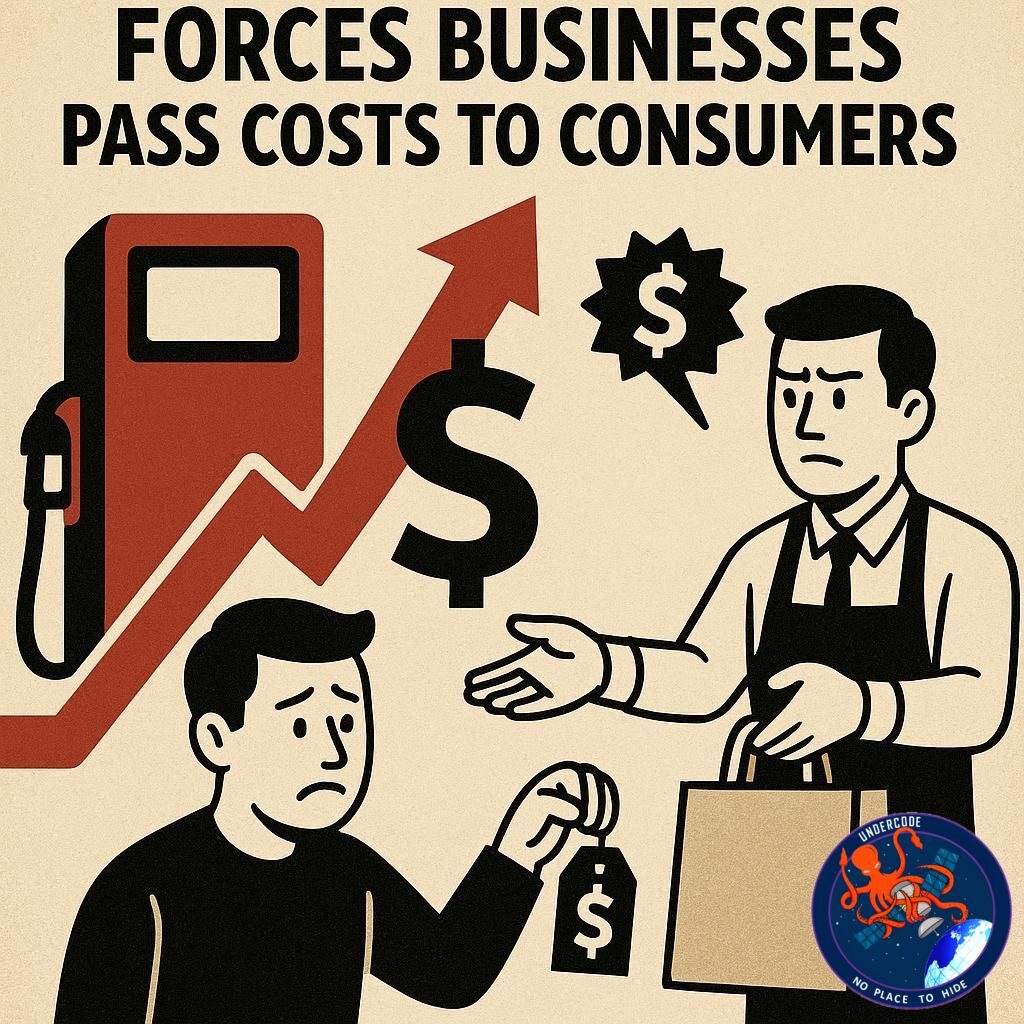
The ongoing war in the Middle East has sent shockwaves through global fuel markets, triggering dramatic cost increases across industries. Companies that rely heavily on transportation—airlines, e-commerce platforms, and shipping services—are feeling the pinch. To cope, many businesses are subtly passing these higher expenses onto consumers through new fees, adjusted service terms, or smaller product quantities. These changes may seem minor individually, but collectively they are reshaping the cost landscape for everyday consumers.
How Companies Are Coping with Rising Fuel Costs
Businesses are employing creative strategies to absorb skyrocketing fuel costs without immediately alarming customers. According to Rahul Shahani, a McKinsey partner specializing in North American supply chains, companies often start by optimizing operations, like combining shipments or maximizing package capacity. However, these efficiencies only delay the impact of higher costs, which eventually appear through measures such as higher minimums for free shipping, fewer promotions, smaller product sizes, or slower delivery times.
Jet fuel, a primary expense for airlines, has seen a staggering 95% increase in the U.S. since the conflict began, according to the Argus US Jet Fuel Index. Flight route disruptions due to airport closures in parts of the Middle East are also forcing airlines to take longer paths, consuming even more fuel. United Airlines CEO Scott Kirby highlighted that if jet fuel prices remain at current levels, the airline could face an additional $11 billion in annual fuel costs—more than double its most profitable year ever.
Companies Implementing Fuel-Related Surcharges
Amazon recently announced a 3.5% temporary “fuel- and logistics-related surcharge” for third-party sellers using its shipping and returns services. While shoppers aren’t directly impacted yet, sellers may offset the surcharge by raising product prices.
JetBlue raised fees for checked baggage by $4–$9 depending on flight times. The airline emphasized that the increase offsets rising operating costs while avoiding an overall fare hike.
United Airlines implemented a $10 increase for the first and second checked bags, raising online pre-purchase prices to $45 and $55, respectively.
USPS introduced its first-ever fuel surcharge of 8% on packages, effective April 26 and expected to continue until at least January 17, 2027. Letters are exempt.
UPS, FedEx, and other shippers have long used automatic fuel surcharges triggered by high diesel prices. For example, FedEx recently increased its surcharge to 26.5% as diesel prices exceeded $3.55 per gallon. Shipping companies like Maersk have also added extra fees to cover the combined costs of fuel and extended shipping routes.
Broader Implications for Consumers
These adjustments are not just one-off fees—they represent a structural shift in how companies respond to volatile fuel markets. Consumers may notice smaller package sizes, fewer discounts, and slower deliveries as businesses balance cost management with customer satisfaction. Airlines are particularly sensitive, as fuel costs constitute roughly a quarter of their total expenses, meaning even small price fluctuations can cascade into significant operational adjustments.
What Undercode Says:
Airlines Are Facing an Unsustainable Cost Surge
Airlines are uniquely vulnerable due to fuel dependence. United’s projected $11 billion increase in annual fuel expenses underscores the potential for broader ticket price hikes if the crisis persists.
E-Commerce Fees Could Become the Norm
Amazon’s new fuel-related surcharge sets a precedent for e-commerce platforms. Sellers might pass this cost to buyers, subtly increasing everyday prices.
Shipping Companies Are Leveraging Fuel Volatility
Companies like FedEx and UPS have long used fuel surcharges to hedge against market swings. With global conflicts impacting oil supply, these surcharges could grow more frequent and substantial.
Indirect Consumer Impact Will Grow
Even if fees aren’t charged directly, higher operational costs often manifest through reduced promotions, delayed deliveries, or smaller package sizes, affecting customer experience across the board.
Supply Chain Adjustments May Create Bottlenecks
Consolidated shipments and extended delivery routes, while cost-efficient for businesses, could slow logistics and strain supply chains, particularly during peak seasons.
Potential Inflationary Pressures
As businesses transfer higher operating costs to consumers, overall inflation in goods and services could accelerate, compounding the economic impact of the conflict.
Fuel Price Volatility Remains Key Risk
Without stabilization in jet fuel and diesel markets, companies will continue exploring fee-based solutions, indicating persistent upward pressure on consumer costs.
Digital Platforms vs. Traditional Retail
E-commerce giants like Amazon may absorb costs differently than brick-and-mortar retailers, but consumers will feel the cumulative effects in both arenas.
Small Businesses Are Most Vulnerable
Third-party sellers and small shippers may struggle with new surcharges, potentially leading to price hikes, reduced product availability, or even business closures.
Long-Term Strategic Shifts
Businesses might explore more fuel-efficient routes, renewable energy options, or advanced logistics algorithms to reduce dependency on volatile fuel markets.
Consumer Awareness Is Low
Most customers may not immediately recognize these subtle cost shifts, but the cumulative effect could reshape purchasing habits and expectations.
🔍 Fact Checker Results:
✅ Jet fuel prices in the U.S. have nearly doubled, consistent with data from Airlines for America.
✅ Amazon, JetBlue, United Airlines, and USPS have all implemented fuel-related surcharges or fee increases.
❌ Claims that consumers are directly paying Amazon’s surcharge are inaccurate; the fee currently affects sellers, not buyers.
📊 Prediction
Fuel costs are likely to remain elevated as global conflicts and geopolitical tensions persist. Airlines may raise ticket prices, e-commerce platforms could introduce more surcharges, and shipping companies will adjust fuel fees frequently. Consumers should expect a combination of higher costs and subtle changes in service quality, making transparency in pricing a key factor in purchasing decisions. Businesses that can innovate to reduce fuel dependency may gain a competitive advantage in this volatile environment.
If you want, I can also turn this into a highly clickable, SEO-optimized blog post ready to publish with subheadings and bold highlights for engagement. Do you want me to do that next?
🕵️📝✔️Let’s dive deep and fact‑check.
References:
Reported By: edition.cnn.com
Extra Source Hub (Possible Sources for article):
https://www.instagram.com
Wikipedia
OpenAi & Undercode AI
Image Source:
Unsplash
Undercode AI DI v2
Bing
🔐JOIN OUR CYBER WORLD [ CVE News • HackMonitor • UndercodeNews ]
📢 Follow UndercodeNews & Stay Tuned:
𝕏 formerly Twitter 🐦 | @ Threads | 🔗 Linkedin | 🦋BlueSky | 🐘Mastodon


