
Listen to this Post
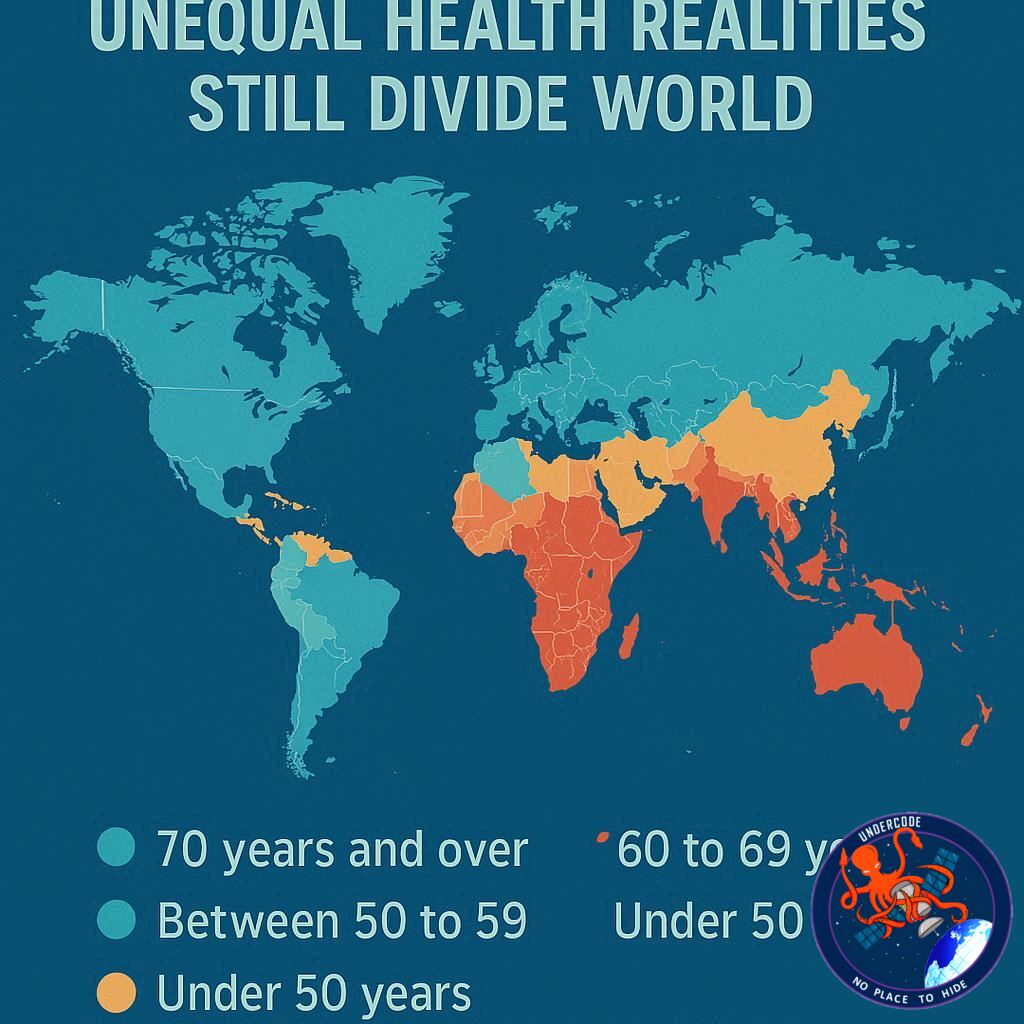
In a post-pandemic world, the numbers may look encouraging — but behind them lies a sobering truth. A major study published in The Lancet reveals that while global life expectancy has returned to pre-COVID-19 levels, deep regional inequalities and emerging health risks threaten to widen the gap between nations and social classes.
The pandemic dealt a historic blow to human longevity. In 2021, average life expectancy plummeted to 71.7 years as COVID-19 became the leading cause of death worldwide. But by 2023, as the virus lost its deadly grip and ranked only 20th among global killers, the world’s life expectancy rebounded to 73.8 years. At first glance, this recovery seems like a global triumph — yet the picture becomes far more complex upon closer inspection.
According to researchers from the Institute for Health Metrics and Evaluation (IHME), chronic diseases such as heart disease, stroke, and diabetes now dominate the landscape, responsible for nearly two-thirds of deaths worldwide. The culprits behind these silent killers — obesity, smoking, air pollution, and poor diets — remain unchecked across much of the planet. The researchers warn that nearly half of all global deaths and disabilities could be prevented if these modifiable risks were addressed.
Dr. Christopher Murray, IHME’s director, cautions that humanity has entered a “new era of global health challenges,” shaped by aging populations and evolving risk factors. His team analyzed data from 375 diseases and 88 risk factors across 204 countries between 1990 and 2023. The findings are both impressive in scope and unsettling in implication.
In five major European countries — France, Germany, Italy, Spain, and the United Kingdom — heart disease remains the leading cause of death. Only in France does lung cancer overtake it. Yet Europeans also enjoy the highest life expectancies, with Spain leading at 83.2 years and Germany trailing slightly at 80.9. Meanwhile, nations in sub-Saharan Africa and parts of Latin America still struggle with infectious diseases, accidents, and limited healthcare access.
Perhaps most concerning are the emerging patterns among young people. Rising death rates from suicide, drugs, and alcohol are plaguing North America and Latin America, signaling a deep social and mental health crisis. In sub-Saharan Africa, infectious diseases continue to claim young lives, revealing a stark contrast in global progress.
For researchers, this is not merely a data report — it’s a warning flare. Murray calls the findings a “wake-up call” for world leaders to act strategically and urgently against the trends reshaping global health. The rebound in life expectancy, while positive, hides a disturbing reality: the health divide between nations is not closing — it’s evolving.
What Undercode Say:
Numbers rarely tell the whole story. The apparent recovery of global life expectancy conceals a profound truth about humanity’s uneven resilience. The data shows that while medicine and technology have successfully pushed back against pandemics, chronic illnesses and lifestyle-driven conditions have quietly become the new pandemics of our time.
The paradox is stark: as nations grow wealthier, their citizens live longer but not necessarily healthier lives. Prosperity has birthed sedentary routines, processed diets, and environmental degradation — all contributors to non-communicable diseases. What once was a victory of development has now morphed into a trap of modern living.
The Lancet study highlights the brutal arithmetic of inequality. In Europe, an average citizen may live well into their eighties, enjoying robust healthcare and preventive systems. Meanwhile, a young person in sub-Saharan Africa still faces the same risks from malaria, HIV, and road accidents that have persisted for decades. It’s a dual-speed world, where progress for some coexists with stagnation for others.
Even more alarming is the emerging mental health epidemic among youth. Rising suicides, overdoses, and substance abuse rates in developed regions like North America and parts of Latin America point to a crisis of meaning, not just medicine. The modern world’s comforts come with psychological costs — disconnection, anxiety, and despair — that no vaccine can cure.
From a policy standpoint, these trends demand a radical rethinking of global health priorities. Governments have historically funneled resources into acute crises like pandemics or wars, yet the real battle lies in chronic prevention and behavioral change. Addressing obesity, pollution, and tobacco use may lack political glamour, but it is the foundation of a sustainable health future.
The study’s data also signals a deeper social imbalance: access to clean air, nutritious food, and mental health care is now as critical as access to vaccines. Health inequity is no longer a matter of geography alone — it’s tied to class, education, and culture. The West’s addiction to convenience mirrors the developing world’s struggle for survival. Both extremes erode human longevity in different ways.
If global leaders ignore these “disturbing trends,” as Murray calls them, the next public health emergency won’t come from a virus but from the silent march of chronic diseases, mental health crises, and environmental decline.
This is not a moment for complacency. It’s a moment for reinvention — of healthcare systems, food industries, and our collective relationship with health itself. Longevity without wellness is not progress; it’s illusion.
Fact Checker Results:
✅ Global life expectancy rebounded to 73.8 years by 2023.
✅ Chronic diseases now cause nearly two-thirds of global deaths.
❌ Health progress is not evenly distributed — inequality is widening.
Prediction:
🌍 Within the next decade, health inequality will define the global agenda more than infectious disease.
💔 Mental health and lifestyle diseases will emerge as the next great test of humanity’s resilience.
🏥 The nations that invest in prevention — not just treatment — will shape the future map of human longevity.
🕵️📝✔️Let’s dive deep and fact‑check.
References:
Reported By: www.euronews.com
Extra Source Hub (Possible Sources for article):
https://www.discord.com
Wikipedia
OpenAi & Undercode AI
Image Source:
Unsplash
Undercode AI DI v2
Bing
🔐JOIN OUR CYBER WORLD [ CVE News • HackMonitor • UndercodeNews ]
📢 Follow UndercodeNews & Stay Tuned:
𝕏 formerly Twitter 🐦 | @ Threads | 🔗 Linkedin | 🦋BlueSky | 🐘Mastodon


