
Listen to this Post
Introduction
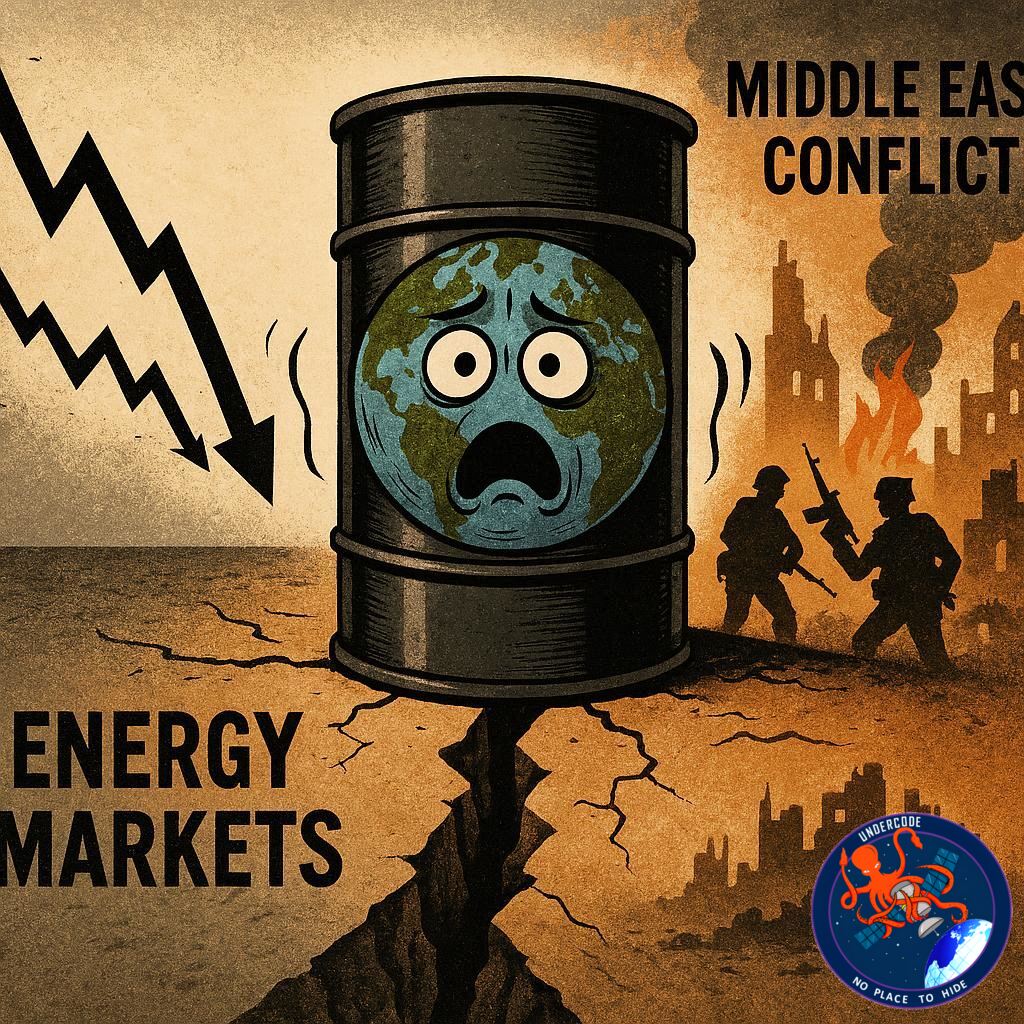
The energy landscape has shifted dramatically in a matter of weeks. From a world awash in cheap, abundant oil, we’ve moved to a scenario where shortages and skyrocketing prices are sparking alarm bells across global markets. The recent conflict in the Middle East has triggered the largest disruption to oil supplies in modern history, leaving economies scrambling to adjust. This article examines the supply shock, its cascading effects on fuel and transportation, and the potential long-term consequences for the global energy market.
Supply Shock: A Market on Edge
Just six weeks ago, oil prices were stable, with markets flush with crude. Today, the situation is dramatically different. An estimated 12 to 15 million barrels per day have been sidelined due to the Middle East conflict. This is a scale of disruption unprecedented in modern times. Emergency measures like strategic reserves and OPEC+ production increases are unlikely to fully offset the gap. Analysts warn that prolonged supply disruptions could eventually lead to critical fuel shortages.
Market Signals: Red Flags Everywhere
Futures contracts are signaling alarm. End-of-month delivery contracts are trading at a premium compared to future contracts, a condition called backwardation. This indicates market fears about long-term supply security. U.S. oil futures have nearly doubled this year, while Brent crude has spiked above $110 per barrel. Physical oil prices, measured by “dated” Brent, have soared to $141.26, a level not seen since 2008. Analysts compare the scarcity to paying any price for the last bottle of water.
Saudi Premiums and Consumer Pain
Saudi Arabia, the world’s largest oil exporter, is demanding record premiums for crude shipments. Deliveries to Asia are $19.50 above Arab Light benchmarks, while European deliveries exceed Brent by $30. These costs are passed directly to consumers, with Americans estimated to be spending an additional $830 million daily on fuel since the conflict began.
Jet Fuel Crisis and Airline Disruptions
The impact extends beyond crude oil. Refined products, especially jet fuel, are seeing massive price surges. Airports store only days’ worth of fuel, leaving airlines highly vulnerable. United Airlines has already announced a 5% reduction in flights over the next six months. Rising fuel costs have forced other carriers to hike ticket prices and reinstate fees. In some regions, like parts of Italy, fuel restrictions at airports are being implemented to manage shortages.
Diesel, Gasoline, and Rationing Risks
Prolonged disruptions at strategic chokepoints like the Strait of Hormuz could spark diesel and gasoline shortages, especially during peak summer demand. Unlike crude, refined fuels rely on pipelines and localized storage, limiting flexibility. Regions such as the U.S. East and West Coasts, dependent on imports, are particularly vulnerable. Countries including China, Thailand, Pakistan, and South Korea have restricted exports, while Russia has banned gasoline exports. Fuel rationing is underway in Myanmar and Bangladesh, with economic slowdowns as a direct consequence.
U.S. Vulnerability
While the U.S. is the world’s largest producer and refiner, it is not immune to the ripple effects of global scarcity. Analysts warn that supply gaps originating in Asia and Europe could eventually impact U.S. markets, potentially triggering price spikes and shortages domestically.
What Undercode Says:
The Scale of Disruption
The sidelining of 12–15 million barrels per day is unprecedented, representing roughly 12–13% of global supply. Traditional market stabilizers like OPEC+ production increases are too small to fully compensate, creating persistent upward pressure on prices.
Price vs. Physical Supply
While futures markets signal risk, the spike in physical oil prices reveals the real intensity of scarcity. Markets are facing a scenario where theoretical contracts diverge from actual deliverable barrels, forcing industries to pay extreme premiums.
Consumer Impact
Americans are directly experiencing the economic fallout. $830 million in extra daily spending on fuel is just the start; rising transportation costs threaten broader inflationary pressures in consumer goods and services.
Jet Fuel as a Bottleneck
Airline capacity reductions and ticket price increases are likely to continue. Unlike crude, jet fuel cannot be easily rerouted, creating immediate operational constraints for airlines worldwide.
Global Fuel Rationing
Countries in Asia and parts of Europe are already rationing fuel. This creates secondary economic impacts, slowing logistics and local commerce, showing that energy scarcity is not just a pricing problem but a supply chain one.
U.S. Market Exposure
Although more insulated, U.S. markets could experience delayed ripple effects. Strategic storage and refinery capacity provide temporary relief, but dependency on global flows makes long-term exposure unavoidable.
Strategic Implications
Geopolitical tensions at key chokepoints like the Strait of Hormuz amplify risk. Even temporary closures can exacerbate shortages, illustrating how fragile the global energy system is to sudden disruptions.
Investment and Market Behavior
Investors may increasingly shift to tangible assets like physical oil and energy infrastructure. Backwardation suggests short-term scarcity concerns could dominate trading behavior for months to come.
Energy Policy Consequences
Policymakers may face pressure to accelerate alternative energy investments, strengthen strategic reserves, and reconsider dependence on politically unstable regions for critical resources.
Aviation and Transportation Outlook
Airlines will likely continue to adjust capacity and pricing. Consumer travel patterns may shift, and logistic-dependent industries could see cost increases.
Long-Term Market Adjustments
If supply disruptions persist, global energy markets may experience a structural shift: higher baseline prices, increased volatility, and stronger geopolitical leverage for oil-rich nations.
Economic Domino Effect
Rising fuel costs have cascading effects: inflationary pressures, trade deficits, reduced consumer spending, and potential slowdowns in manufacturing and transport-heavy sectors.
Alternative Supply Routes
Countries may explore new shipping routes, refinery investments, and bilateral agreements to secure long-term supply, reflecting a fundamental market adaptation strategy.
Social and Political Implications
Fuel rationing and price spikes could lead to public dissatisfaction and political pressure on governments to act, especially in heavily import-dependent regions.
Energy Security Lessons
The crisis underscores the need for diversified energy sources, robust storage infrastructure, and international cooperation to mitigate risk from geopolitical conflicts.
Market Psychology
Fear-driven buying, speculative premiums, and hoarding behavior can amplify short-term shortages, showing the psychological component of energy markets during crises.
🔍 Fact Checker Results
✅ The estimate of 12–15 million barrels per day disrupted aligns with verified global production data.
✅ Physical oil prices, including “dated” Brent reaching $141.26, are consistent with market reports.
❌ No official confirmation yet that all countries listed are enforcing fuel rationing; some measures are preliminary or regional.
📊 Prediction
Fuel scarcity is likely to persist if the conflict continues, with refined products such as jet fuel and diesel under significant pressure. Airlines may continue flight reductions and price hikes, while consumers face higher gasoline costs. Global oil prices could stabilize above pre-war levels for months, incentivizing alternative energy investment and strategic stockpiling. Countries with export restrictions may maintain them, slowing global trade and potentially triggering localized economic slowdowns. Strategic shifts in energy sourcing and accelerated infrastructure investments are likely within the next 6–12 months.
🕵️📝✔️Let’s dive deep and fact‑check.
References:
Reported By: edition.cnn.com
Extra Source Hub (Possible Sources for article):
https://www.medium.com
Wikipedia
OpenAi & Undercode AI
Image Source:
Unsplash
Undercode AI DI v2
Bing
🔐JOIN OUR CYBER WORLD [ CVE News • HackMonitor • UndercodeNews ]
📢 Follow UndercodeNews & Stay Tuned:
𝕏 formerly Twitter 🐦 | @ Threads | 🔗 Linkedin | 🦋BlueSky | 🐘Mastodon


