
Listen to this Post
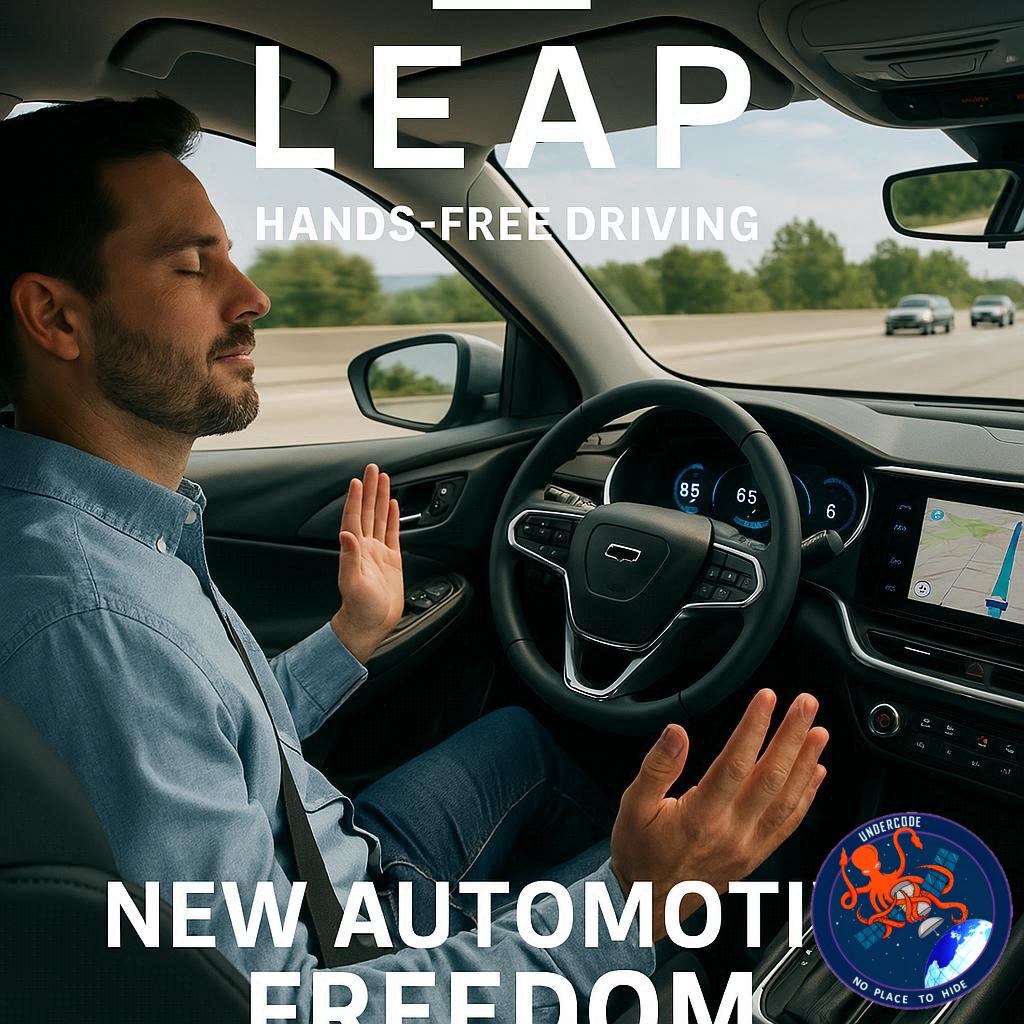
General Motors, a century-old automotive icon, is preparing to redefine the driving experience for Americans. The company unveiled its ambitious plans to offer “eyes-off” driving by 2028, enabling passengers to watch movies, catch up on work, or run errands while the vehicle navigates itself. Alongside this, GM is introducing conversational AI technology into vehicles as early as next year, marking a major push toward a technology-first future.
The vision laid out by GM CEO Mary Barra paints a striking picture of the future: vehicles capable of dropping passengers off at work, completing errands, and returning autonomously—transforming cars from mere transportation tools into fully integrated lifestyle companions. This futuristic scenario will first materialize in the Cadillac Escalade IQ SUV within three years, offering Americans a glimpse of autonomous convenience.
However, GM faces significant challenges. The company will take a $1.6 billion hit to its electric vehicle (EV) business this year due to policy shifts and the discontinuation of consumer EV tax credits. Despite investing tens of billions into EV development, GM has struggled to attract a large customer base, highlighting the hurdles in translating innovation into adoption. Yet, Barra emphasizes that consumers increasingly desire immersive, connected experiences in their vehicles, which GM hopes to meet through its new tech initiative.
Although GM’s push into self-driving technology is bold, it is not entirely unprecedented. Companies such as Tesla, Stellantis, and Waymo have already deployed driverless vehicles, and some, like Stellantis, Mercedes, and Volkswagen, are integrating conversational AI. GM acknowledges the competitive landscape but sees an opportunity for leadership by delivering safe, personally owned self-driving vehicles—a market that remains largely untapped. Sterling Anderson, GM’s Chief Product Officer, frames this as a potential “leapfrog” rather than a catch-up, aiming for a first-mover advantage in scalable autonomous ownership.
GM’s tech ambitions are underscored by strategic hires from Tesla and Apple, signaling a serious pivot toward technology-driven design and software. These moves highlight GM’s recognition that its survival and competitiveness hinge on becoming a technology-first company. The auto giant must contend with rising competition from Chinese manufacturers such as BYD and Zeekr, whose lower-cost, tech-forward vehicles are capturing European markets. While U.S. tariffs have limited their domestic presence, any policy change could challenge GM’s market share. Despite this, GM executives remain confident that their focus on technology, design, and R&D positions them to compete successfully on quality and innovation rather than imitation.
The combination of autonomous driving, AI-powered systems, and luxury EV offerings represents GM’s attempt to modernize its century-old legacy while keeping pace with global technological trends. For consumers, this promises a more connected, productive, and enjoyable driving experience. But the road ahead is fraught with obstacles—from regulatory hurdles and technological integration to consumer adoption and international competition. GM’s success will depend on its ability to deliver on promises while maintaining safety, reliability, and affordability in an increasingly crowded and competitive EV landscape.
What Undercode Say:
GM’s announcement underscores a pivotal moment for the traditional automotive industry. By committing to hands-free driving and AI integration, GM is attempting to redefine the very purpose of a vehicle, shifting from transportation to an intelligent mobility platform. The timing of this initiative is critical: the EV market is maturing, regulatory frameworks are evolving, and competitors are accelerating development. GM’s investment in conversational AI and autonomous features reflects an understanding that user experience, rather than sheer horsepower, will define future consumer loyalty.
Strategic talent acquisition is another major indicator of intent. Bringing in leaders from Tesla and Apple is not just symbolic; it signals that GM recognizes the software-driven, data-centric nature of modern mobility. This move helps GM close a technological gap that has historically favored newer, nimble companies over established automakers. However, integration challenges are significant. Embedding AI-driven systems into mass-market vehicles requires sophisticated engineering, cybersecurity, and regulatory compliance—all areas where traditional automakers have often lagged.
From a market perspective, GM is balancing legacy and innovation. It continues to rely on recognizable brands like Cadillac to introduce advanced technology, while simultaneously investing billions into EV production and software. The company’s acknowledgment of competition from Chinese manufacturers highlights the global stakes: tech-forward, affordable alternatives abroad could disrupt U.S. dominance if tariffs change. GM’s emphasis on quality, R&D, and design is a strategic choice to differentiate itself, betting that American consumers value innovation and reliability over cost alone.
Regulatory hurdles will also play a decisive role. Hands-free, fully autonomous vehicles face scrutiny from safety agencies, insurance companies, and lawmakers. GM’s timeline to 2028 reflects not only technological development but also the time required to secure approvals for consumer deployment. While competitors like Tesla have pushed early with semi-autonomous systems, GM’s methodical approach may offer a safer, more scalable solution, potentially winning public trust.
Economically, GM’s gamble is considerable. A $1.6 billion setback in EV revenue underscores the financial risk associated with policy shifts. Yet, the long-term payoff could be substantial. As cars evolve from transport tools to productivity and entertainment hubs, companies that deliver seamless, reliable, and user-friendly autonomous systems will dominate market share. GM’s initiative may also set the stage for ancillary services—delivery, remote vehicle operations, and AI-assisted logistics—further monetizing the automotive experience beyond traditional sales.
The cultural impact of GM’s hands-free vision should not be underestimated. Autonomous vehicles could reshape urban planning, commuting behavior, and even social interactions within vehicles. Barra’s vision of a car that handles errands and childcare logistics reflects a broader societal shift toward efficiency, multitasking, and AI-driven convenience. GM’s success will hinge not only on engineering but also on consumer trust in handing over control to a machine, a psychological barrier that many automakers have struggled to overcome.
In summary, GM’s strategy combines innovation, market positioning, and strategic talent acquisition to stake a claim in the emerging autonomous and AI-integrated mobility market. Success will require harmonizing legacy automotive expertise with cutting-edge technology, navigating regulatory landscapes, and convincing consumers that a hands-free future is not only possible but desirable. If executed well, GM could transform both its own brand and the broader automotive industry, demonstrating that even century-old companies can leapfrog into the future with bold vision and calculated risk.
Fact Checker Results:
✅ GM plans to introduce hands-free “eyes-off” driving by 2028.
✅ Conversational AI will debut in GM vehicles as early as next year.
❌ GM is not the first company to develop autonomous vehicles; competitors include Tesla, Waymo, and Stellantis.
Prediction:
GM’s leap into autonomous driving could redefine the luxury EV segment. 🚗💡 By 2030, hands-free vehicles may become a standard feature in premium models, while AI integration could create a new ecosystem of connected services, from entertainment to logistics. If executed safely and effectively, GM could emerge as a market leader, blending American automotive heritage with cutting-edge innovation.
🕵️📝✔️Let’s dive deep and fact‑check.
References:
Reported By: edition.cnn.com
Extra Source Hub (Possible Sources for article):
https://www.medium.com
Wikipedia
OpenAi & Undercode AI
Image Source:
Unsplash
Undercode AI DI v2
Bing
🔐JOIN OUR CYBER WORLD [ CVE News • HackMonitor • UndercodeNews ]
📢 Follow UndercodeNews & Stay Tuned:
𝕏 formerly Twitter 🐦 | @ Threads | 🔗 Linkedin | 🦋BlueSky | 🐘Mastodon


