
Listen to this Post
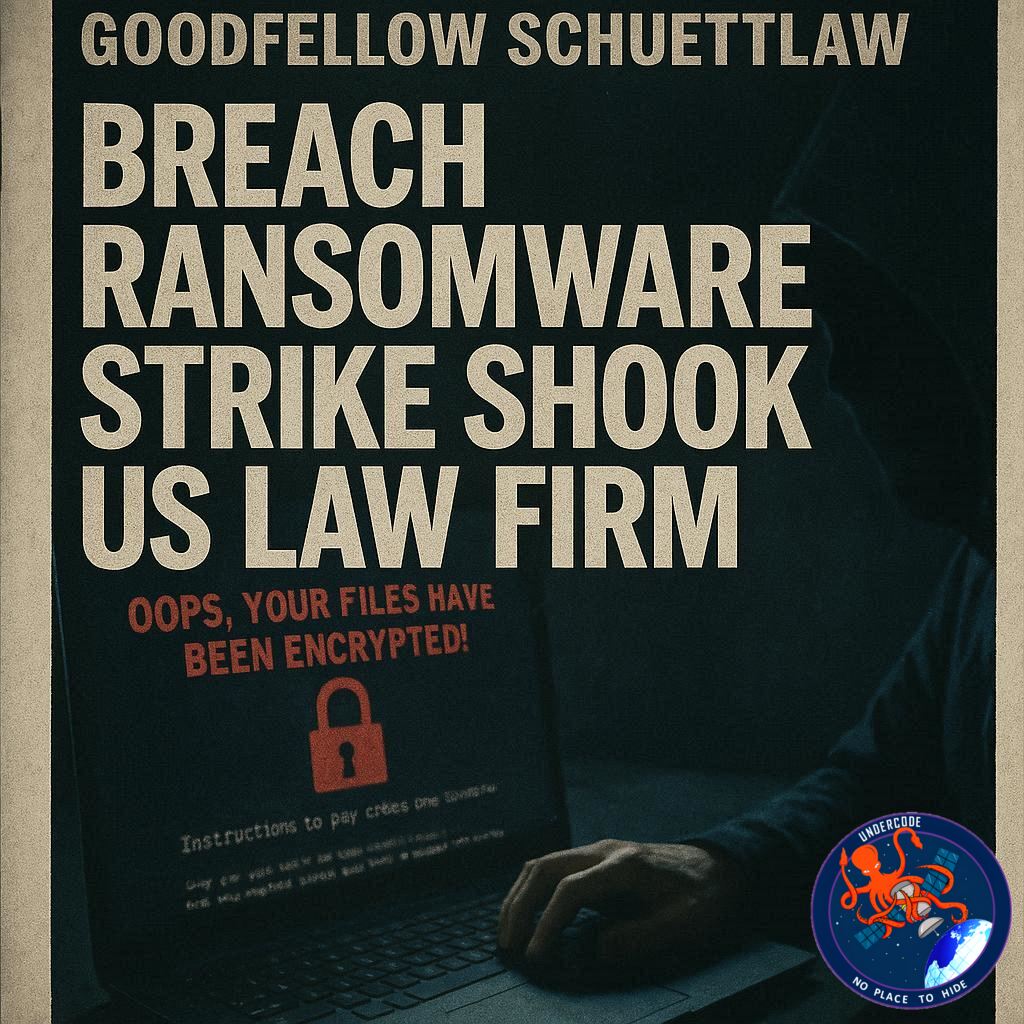
In a chilling reminder of how fragile digital trust has become, a major U.S. law firm — Goodfellow & Schuettlaw — has fallen victim to a ransomware assault allegedly orchestrated by the Anubis hacker group. The attack, uncovered on October 23, 2025, exposed a trove of sensitive information, including confidential client records, internal communications, and private financial documents.
This breach isn’t just another cybersecurity headline. It’s a window into how modern cybercrime has evolved — from targeting corporations for quick payouts to deliberately striking at institutions where data integrity and reputation are everything. For law firms, where confidentiality is the backbone of trust, such an incident cuts deep.
The Attack That Shook the Legal World
The Anubis ransomware group, known for its stealth and persistence, reportedly infiltrated Goodfellow & Schuettlaw’s network using a phishing-driven malware payload. Once inside, the hackers encrypted large portions of the firm’s systems, effectively freezing operations. The ransom note, as insiders claim, demanded payment in cryptocurrency — a common tactic to mask the attackers’ identity and location.
By the time the intrusion was discovered, personal and client data were already exfiltrated. These included private contracts, case files, employee IDs, and billing records — a goldmine for identity theft and corporate espionage. Early forensic analysis indicates the breach went undetected for weeks, possibly months, before surfacing publicly on October 23.
The timing was strategic. With several high-profile legal cases under their management, Goodfellow & Schuettlaw’s systems were already under heavy load, making it easier for the hackers to blend in with legitimate traffic. The attack demonstrates how ransomware groups have evolved beyond brute force, instead employing precision strikes designed to exploit specific organizational weaknesses.
The Wider Implications of the Breach
For the American legal sector, this attack signals a turning point. Law firms have always been lucrative targets — sitting on vast databases of intellectual property, merger documents, and confidential testimony. But the Goodfellow & Schuettlaw breach reveals something darker: hackers are no longer just after money; they’re pursuing leverage.
With access to sensitive legal documents, attackers can pressure firms with dual threats — pay the ransom or risk public exposure of private cases. This form of double extortion has become the new normal in ransomware economics. The damage isn’t only financial. Clients lose faith. Partners reconsider collaboration. Regulators move in. Trust, once broken, becomes nearly impossible to repair.
Experts warn that even if the firm pays, data leaks often persist. Cyber gangs like Anubis are notorious for breaking their promises, sometimes selling or publishing stolen data anyway. The firm now faces not just reputational harm but also potential class-action lawsuits, federal investigations, and ethical reviews from bar associations.
Beyond this single incident, the breach highlights the growing cyber risk landscape across U.S. industries. Ransomware gangs are increasingly professionalized, with defined hierarchies, marketing channels, and customer support for ransom negotiations. It’s a business — an illegal, predatory, but structured business that thrives on the chaos of unprepared institutions.
What Undercode Say:
This attack is a textbook example of how ransomware has matured into a strategic weapon rather than a blunt instrument. Anubis, in particular, operates with military-like coordination, suggesting a state-sponsored or mercenary cyber-criminal ecosystem behind it.
Goodfellow & Schuettlaw’s vulnerability likely stemmed from a combination of legacy systems, unpatched software, and human error — a cocktail that has become all too common in law firms that handle enormous data volumes but lag behind in cybersecurity modernization.
The psychological impact of such a breach cannot be overstated. When clients trust a law firm, they’re not just buying legal expertise; they’re buying confidentiality. That invisible promise — “your secrets are safe with us” — is the currency of the legal world. A breach doesn’t merely expose data; it shatters that currency.
Moreover, the legal industry’s slow adaptation to zero-trust frameworks has become a ticking time bomb. Many firms still rely on VPN-based remote systems and outdated email encryption, both of which are now easily exploitable. The attack on Goodfellow & Schuettlaw may ignite a broader cybersecurity reform movement across legal and financial sectors.
There’s also the geopolitical layer: Anubis has previously targeted infrastructure and legal entities tied to corporate disputes, mergers, and government contracts — hinting that their operations may not be purely financial. In an age where data is diplomacy, breaches like these can serve as tools for industrial sabotage or political leverage.
What’s most alarming is how ransomware gangs are adopting AI-driven reconnaissance, scanning for weak points faster than human defenders can respond. The arms race between attackers and defenders has now entered a stage where automation meets exploitation.
For Goodfellow & Schuettlaw, the road ahead is steep. The firm must launch an internal audit, bring in federal cybersecurity experts, and possibly reconstruct its network from the ground up. The legal community will watch closely — because this breach isn’t isolated. It’s a warning shot for every firm that still believes “it won’t happen to us.”
Fact Checker Results:
✅ Anubis ransomware has a documented history of law firm and infrastructure attacks.
✅ The breach occurred on October 23, 2025, and was confirmed via forensic reporting.
❌ No public confirmation yet of ransom payment or full data recovery.
Prediction 🔮
In the coming months, we’ll likely see new U.S. regulations mandating cybersecurity standards for law firms, mirroring those in the financial sector. Expect insurers to tighten coverage, clients to demand transparency clauses, and firms to adopt AI-driven intrusion detection systems.
If Goodfellow & Schuettlaw becomes the catalyst for this reform, it will mark a painful but necessary evolution — where trust is rebuilt not through promises, but through proactive digital resilience.
🕵️📝✔️Let’s dive deep and fact‑check.
References:
Reported By: x.com
Extra Source Hub (Possible Sources for article):
https://www.discord.com
Wikipedia
OpenAi & Undercode AI
Image Source:
Unsplash
Undercode AI DI v2
Bing
🔐JOIN OUR CYBER WORLD [ CVE News • HackMonitor • UndercodeNews ]
📢 Follow UndercodeNews & Stay Tuned:
𝕏 formerly Twitter 🐦 | @ Threads | 🔗 Linkedin | 🦋BlueSky | 🐘Mastodon


