
Listen to this Post
Introduction: A Quiet Goodbye to a Familiar Security Feature
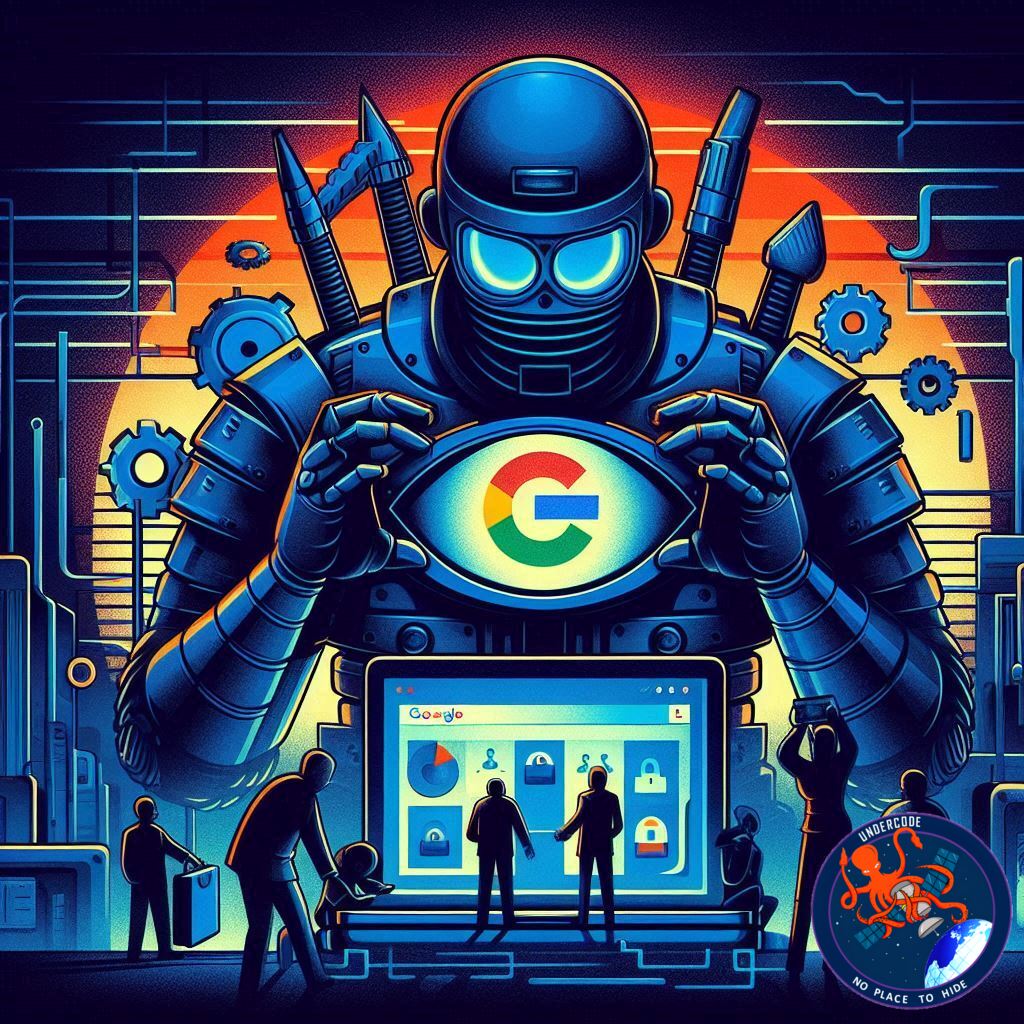
Google is preparing to shut down one of its lesser known but widely accessible privacy tools, the free Dark Web monitoring feature once available to all Gmail users. Introduced as a protective layer against identity exposure, the tool aimed to alert users when their personal information appeared in data breaches circulating across dark web marketplaces. Now, after two years of operation, Google has decided that the feature no longer meets its standards for meaningful user protection. The decision reflects a broader shift in how the company wants users to think about digital safety, moving away from passive alerts toward tools that encourage direct action and stronger account defenses.
Overview of the Dark Web Report Tool and Its Purpose
The Dark Web report tool worked by continuously scanning known dark web breach databases for users’ email addresses. When a match was found, Google notified the user and displayed details about the exposed data. This often included sensitive information such as phone numbers, home addresses, and dates of birth. The goal was awareness, helping users understand when their information had been compromised and where it appeared.
Why Google Believes the Tool Fell Short
Despite its promise, Google concluded that awareness alone was not enough. According to the company’s support documentation, user feedback suggested the tool lacked practical guidance. Alerts often explained what data was exposed but failed to provide clear steps on what to do next. Some users also felt the notifications were vague or repetitive, reducing their perceived value over time.
Timeline for the Dark Web Report Shutdown
Google has confirmed a phased discontinuation. Scans for new breaches will stop on January 15, 2026. One month later, on February 16, 2026, the Dark Web report feature will be fully removed and no longer accessible to users. Until then, existing reports may still be visible, but no new data will be added.
Google’s Official Reasoning Behind the Decision
In its explanation, Google emphasized a strategic refocus. The company stated that it wants to invest in tools that offer clearer, more actionable protection. Instead of alerting users after data has already leaked, Google aims to strengthen preventive security measures that reduce the risk of compromise in the first place.
Alternative Security Tools Google Promotes
To replace the Dark Web report, Google is directing users toward a broader ecosystem of security features. These include Security Checkup for account reviews, passkeys for passwordless sign-ins, authentication tools via Google Safety Center, Google Password Manager, and Password Checkup. The company also highlights the “Results about you” tool, which allows users to find and request removal of personal data from Google Search results, such as phone numbers or home addresses.
What Undercode Say: A Strategic Retreat or a Smarter Defense Model
Google’s decision to retire its free Dark Web monitoring tool signals a deeper philosophy change in consumer cybersecurity. Passive monitoring tools sound reassuring, but they often arrive too late. Once data is on the dark web, the damage is already done. From an analytical standpoint, Google appears to be acknowledging this uncomfortable truth.
The real weakness of dark web alerts lies in their limited agency. Knowing that your data is for sale does not automatically reduce the risk of fraud, impersonation, or financial abuse. Without guided remediation, alerts can create anxiety rather than security. Google’s own admission that users wanted clearer next steps reinforces this reality.
By redirecting attention toward account hardening tools like passkeys and authentication checks, Google is prioritizing prevention over detection. This approach aligns with modern security thinking, where eliminating weak passwords and enforcing multi factor authentication drastically reduces breach impact. In that sense, the retirement is not a withdrawal from security, but a consolidation around higher impact defenses.
There is also a resource efficiency angle. Maintaining accurate dark web scans is complex, fragmented, and often incomplete. The dark web is not a single searchable entity, and no tool can guarantee full coverage. By stepping away, Google avoids overpromising protection it cannot fully deliver.
However, the move does leave a gap for users who valued breach visibility, even if imperfect. Competitors offering premium dark web monitoring may capitalize on this space, especially among users who prefer transparency over abstraction. Google is betting that simplicity and prevention will win long term trust.
Ultimately, this shift suggests Google wants users to stop reacting to leaks and start building accounts that are harder to exploit in the first place. Whether users follow that guidance will determine if this strategic pivot succeeds.
Fact Checker Results
✅ Google confirmed the Dark Web report tool will be discontinued in early 2026.
✅ The tool was free and available to Gmail users for approximately two years.
❌ Google did not claim dark web threats are decreasing, only that alerts lacked actionable value.
Prediction
📊 Google will expand passkey adoption and make passwordless sign-in the default for more users.
📊 Third party security services will market dark web monitoring as a premium alternative.
📊 User education will shift from breach awareness to proactive identity protection models.
▶️ Related Video (82% Match):
🕵️📝✔️Let’s dive deep and fact‑check.
References:
Reported By: timesofindia.indiatimes.com
Extra Source Hub (Possible Sources for article):
https://www.reddit.com
Wikipedia
OpenAi & Undercode AI
Image Source:
Unsplash
Undercode AI DI v2
Bing
🔐JOIN OUR CYBER WORLD [ CVE News • HackMonitor • UndercodeNews ]
📢 Follow UndercodeNews & Stay Tuned:
𝕏 formerly Twitter 🐦 | @ Threads | 🔗 Linkedin | 🦋BlueSky | 🐘Mastodon


