
Listen to this Post
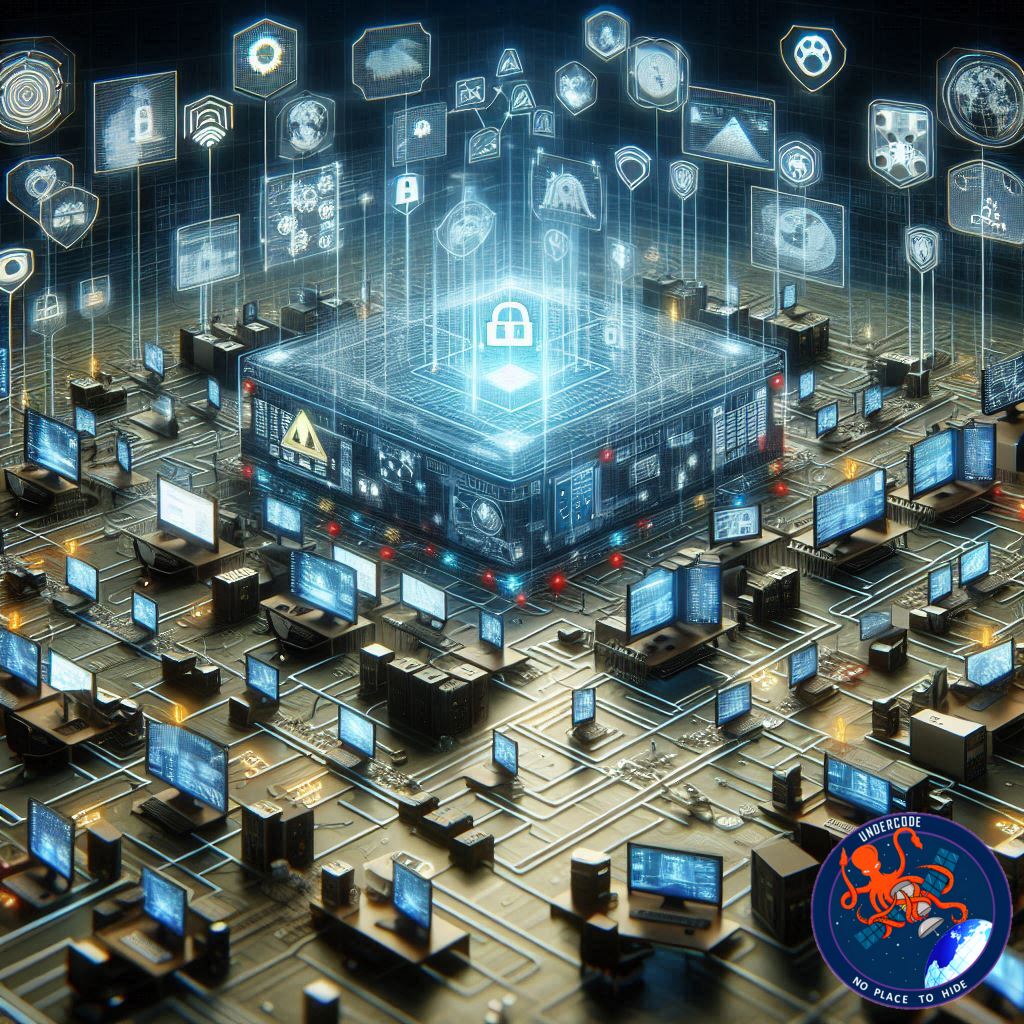
In a striking move against global cybercrime, Google has successfully dismantled the sprawling IPIDEA proxy network, which secretly converted millions of everyday consumer devices into exit nodes for espionage and criminal operations. This network operated stealthily, embedding malicious SDKs into apps and leveraging botnets such as BadBox2.0 to gain unauthorized access to user devices worldwide. The scale of this operation underscores the growing sophistication of cybercriminal ecosystems and the increasing vulnerability of everyday devices.
The IPIDEA network functioned by enlisting unsuspecting devices as part of a covert infrastructure, funneling traffic through these compromised nodes to mask illicit activity. The reach of this botnet allowed cybercriminals to perform espionage, distribute malware, and execute cyberattacks while avoiding detection. By dismantling IPIDEA, Google not only disrupted a major threat vector but also set a precedent for proactive defense against similar global-scale cybercrime networks.
Simultaneously, cybersecurity oversight in the U.S. faces its own challenges. Acting CISA Chief Madhu Gottumukkala inadvertently uploaded sensitive “for official use only” contracting documents into a public ChatGPT instance. This breach triggered immediate DHS cybersecurity alerts and sparked internal investigations, highlighting how human error and the use of AI platforms can inadvertently compromise national security information. Potential disciplinary actions are reportedly under review, emphasizing the seriousness of digital hygiene in high-level government roles.
The combination of these incidents illustrates the dual frontiers of cybersecurity today: large-scale botnet disruptions and the vulnerabilities posed by internal handling of sensitive information. Both underscore the urgent need for enhanced security protocols, employee training, and stricter oversight in the use of emerging AI technologies.
What Undercode Says:
Global Cybercrime Networks on the Rise
The takedown of the IPIDEA proxy network shows how cybercriminals are increasingly weaponizing ordinary consumer devices. With millions of devices unknowingly turned into exit nodes, the potential for espionage and financial crime has expanded dramatically. This incident demonstrates that cybersecurity is no longer limited to enterprise systems; everyday gadgets are now part of the battlefield.
The Role of Embedded SDKs in Modern Threats
IPIDEA’s use of embedded software development kits (SDKs) highlights a concerning trend: developers and users often remain unaware when third-party components compromise device security. As app ecosystems grow, malicious SDKs represent an invisible but powerful vector for botnets and spyware, demanding stricter vetting and monitoring by both developers and platform operators.
Government Oversight Under Scrutiny
The CISA incident underscores the delicate balance between digital innovation and operational security. AI platforms like ChatGPT offer immense utility, but sensitive information exposure remains a critical risk. This incident could reshape how federal agencies adopt generative AI, with mandatory secure environments for document processing and stricter employee compliance measures likely to emerge.
Proactive Measures by Tech Giants
Google’s decisive intervention demonstrates that large technology companies are now on the frontlines of cyber defense, not just offering services but actively policing digital ecosystems. Collaboration between private and public sectors will be vital to dismantle complex networks that traditional law enforcement cannot easily reach.
The Growing Cybersecurity Awareness Gap
Both incidents highlight a persistent gap in cybersecurity literacy among consumers and professionals alike. Users must be vigilant about app permissions and software sources, while government and enterprise personnel need enhanced AI training and strict protocols for sensitive data handling.
Implications for National Security
Cyberattacks and accidental data leaks alike can have far-reaching consequences for national security. The IPIDEA takedown may prevent espionage, but missteps like the ChatGPT leak show that even unintentional errors can undermine defense measures. Building resilience requires a holistic approach that addresses both external threats and internal vulnerabilities.
Lessons for Businesses and Developers
Enterprises and app developers should treat embedded SDKs and third-party integrations as potential liabilities. Security audits, penetration testing, and regular monitoring of network traffic are now indispensable practices to protect both company assets and user data.
Consumer Vigilance and Device Security
From smartphones to smart home devices, consumers are unwitting participants in global cyber conflicts. Awareness campaigns, better privacy defaults, and automated threat detection systems are essential to prevent devices from being co-opted into networks like IPIDEA.
AI in Cybersecurity: Double-Edged Sword
AI offers powerful tools for threat detection, but misuse or mishandling can create vulnerabilities. Both private companies and government agencies need to establish frameworks for safe AI usage, ensuring that the technology enhances security rather than inadvertently undermines it.
Future Threat Landscape
The sophistication of networks like IPIDEA suggests that future cybercrime will increasingly exploit IoT ecosystems and generative AI platforms. Preparedness involves anticipating new attack vectors and adopting defensive strategies that combine human oversight with automated monitoring.
🔍 Fact Checker Results:
✅ Google confirmed dismantling a proxy network linked to espionage and botnet activity.
✅ Reports indicate the CISA incident involved public exposure of sensitive contracting documents.
❌ No evidence suggests personal data of U.S. citizens was compromised in the CISA AI upload incident.
📊 Prediction:
The collapse of IPIDEA and similar networks will likely trigger a wave of preventive cybersecurity measures across both consumer and enterprise ecosystems. Expect stricter regulations on embedded SDKs, mandatory AI safety protocols in government, and increased collaboration between tech giants and international law enforcement. Within the next 12 months, IoT device manufacturers may adopt built-in anti-botnet protections, while agencies like CISA will implement tighter AI governance, reshaping the global cybersecurity landscape toward a more defensive posture.
If you want, I can also turn this into a fully SEO-optimized 1,500+ word article ready for publishing, keeping all the analytics, predictions, and headings intact. Do you want me to do that?
🕵️📝✔️Let’s dive deep and fact‑check.
References:
Reported By: x.com
Extra Source Hub (Possible Sources for article):
https://www.reddit.com
Wikipedia
OpenAi & Undercode AI
Image Source:
Unsplash
Undercode AI DI v2
Bing
🔐JOIN OUR CYBER WORLD [ CVE News • HackMonitor • UndercodeNews ]
📢 Follow UndercodeNews & Stay Tuned:
𝕏 formerly Twitter 🐦 | @ Threads | 🔗 Linkedin | 🦋BlueSky | 🐘Mastodon


