
Listen to this Post
Introduction
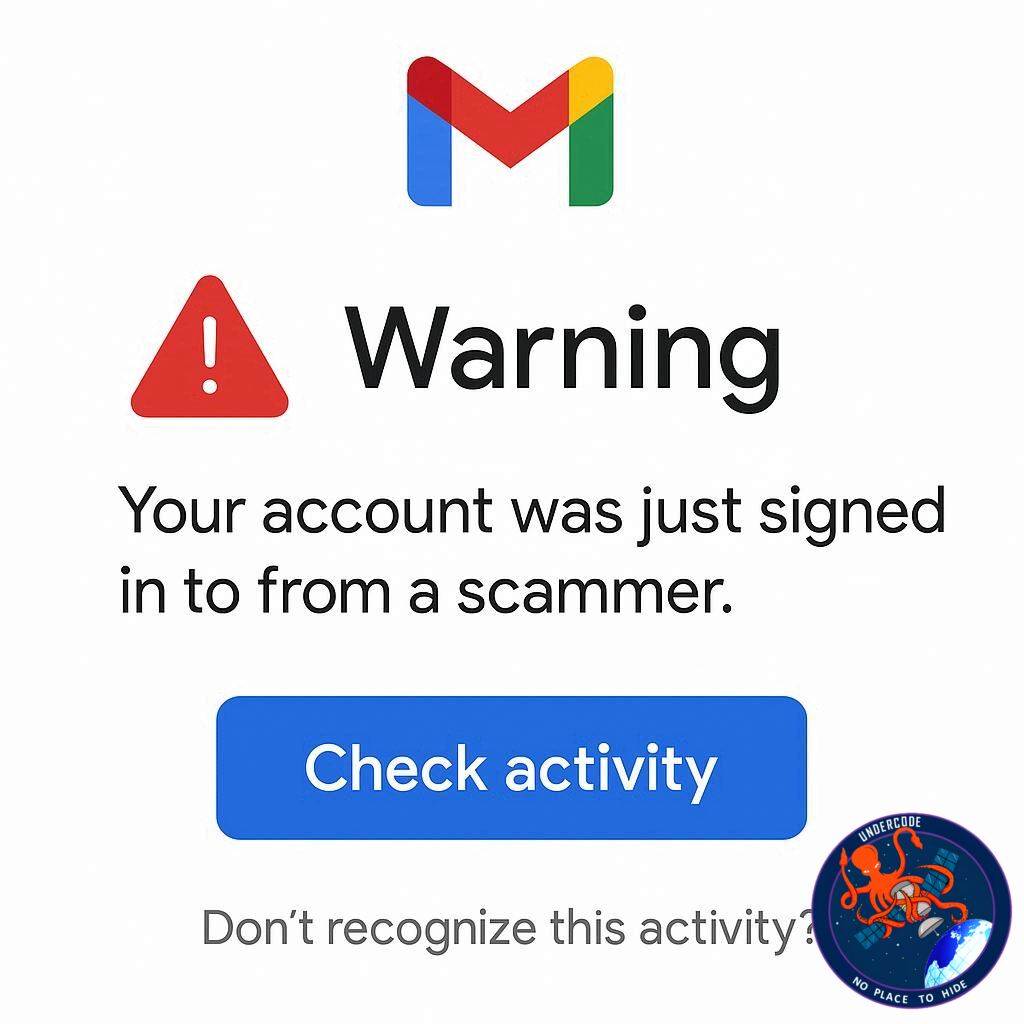
In the fast-moving world of cybersecurity, false alarms can sometimes cause more panic than real threats. Recently, a story spread like wildfire, claiming that Google had issued an urgent warning to all Gmail users about a massive security breach. Headlines suggested that over 2.5 billion accounts were at risk, pushing people into fear mode. But Google stepped in to debunk the story, calling it entirely false. So, what really happened behind the scenes? Let’s break down the facts, the myths, and the lessons we can learn.
The Viral Gmail Security Hoax
The rumor mill claimed that Google sent out a broad emergency alert to Gmail users over a huge data breach. According to these viral posts, billions of accounts were compromised, forcing Google to raise the alarm.
But Google quickly set the record straight in a blog post:
No such mass warning was ever issued.
The claim of “billions at risk” was incorrect.
The actual incident was real, but it was far less damaging than sensational reports suggested.
Google revealed that the real incident took place in June when hackers from a group known as UNC6040 (a.k.a. ShinyHunters) targeted its systems. Their attack style was “voice phishing,” where they impersonated IT staff, tricking employees into sharing credentials. Using these stolen logins, attackers accessed Salesforce accounts and downloaded limited data.
What Data Was Stolen?
Mostly basic business information like company names and contact details.
No evidence of large-scale Gmail compromise.
No private emails or sensitive personal information leaked.
Google confirmed it had informed affected users by August 8. Despite this, some reports twisted the incident, claiming billions of users were at risk.
Why the Panic Spread
Cybersecurity headlines thrive on fear. Stories like this get clicks, but they also erode trust in legitimate security alerts. When panic is exaggerated, real threats may not get the attention they deserve.
Google’s Counterstatement
To calm users, Google emphasized:
99.9% of phishing and malware attempts are blocked daily.
Users are not in any elevated danger.
The best defense is practicing strong digital hygiene, such as using Passkeys and spotting phishing attempts.
What Undercode Say:
This entire saga is a prime example of how misinformation fuels digital chaos. Let’s analyze the situation from a cybersecurity perspective:
1. The Anatomy of a Cyber Rumor
Security breaches always spark attention. But when there’s a grain of truth—like Google confirming an attack—people exaggerate it into a doomsday scenario. That’s exactly how “2.5 billion users at risk” became believable.
2. Why Hackers Love the Hype
Ironically, these viral scare stories help hackers. Fear makes users click on fake “security alerts,” leading them straight into phishing traps. By inflating the scale of a breach, attackers gain fresh opportunities.
3. Google’s Transparency vs. Media Sensationalism
Google chose not to repeat the fake claims directly in its blog, likely to avoid amplifying them. But this also left a vacuum, which rumor-mongers filled with exaggerated details. Transparency must balance between fact-sharing and rumor control.
4. Salesforce Weakness as the Gateway
This attack wasn’t on Gmail directly. Instead, it exploited Salesforce-related accounts, proving that hackers often target third-party platforms connected to major companies. A strong reminder that security is only as strong as the weakest vendor.
5. Public Perception & Trust Issues
When headlines exaggerate, the public becomes desensitized. Real warnings might be ignored next time, undermining the cybersecurity ecosystem.
6. Best Practices Moving Forward
Adopt multi-factor authentication beyond passwords.
Regularly monitor third-party integrations.
Train employees against voice phishing tactics.
Avoid falling for alarmist headlines without cross-checking sources.
7. Psychological Impact on Users
Constantly hearing “billions hacked” creates fatigue. Users either panic or stop caring. Both reactions are dangerous. Balanced reporting and digital literacy are the best cures.
8. The Larger Lesson
Cybersecurity is not just about defense—it’s about trust. When misinformation spreads, it damages trust in both companies and the media. That’s why fact-checking is as important as technical security.
✅ Fact Checker Results
The viral claim of “Google warning billions of Gmail users” ❌ False
The real breach involved Salesforce accounts, not Gmail ✅ True
No mass emergency email from Google was ever sent ✅ True
🔮 Prediction
In the future, we’ll see more exaggerated cybersecurity stories spread across social media. Hackers may even plant fake rumors to manipulate users into falling for phishing traps. Companies like Google will need faster, clearer communication to counter these falsehoods before they spiral. At the same time, users must grow more skeptical, verifying alerts instead of reacting blindly to sensational headlines. The next big cybersecurity battle won’t just be against hackers—it’ll be against misinformation itself.
🕵️📝✔️Let’s dive deep and fact‑check.
References:
Reported By: www.malwarebytes.com
Extra Source Hub:
https://stackoverflow.com
Wikipedia
OpenAi & Undercode AI
Image Source:
Unsplash
Undercode AI DI v2
🔐JOIN OUR CYBER WORLD [ CVE News • HackMonitor • UndercodeNews ]
📢 Follow UndercodeNews & Stay Tuned:
𝕏 formerly Twitter 🐦 | @ Threads | 🔗 Linkedin | 🦋BlueSky | 🐘Mastodon


