
Listen to this Post
🎯 Introduction
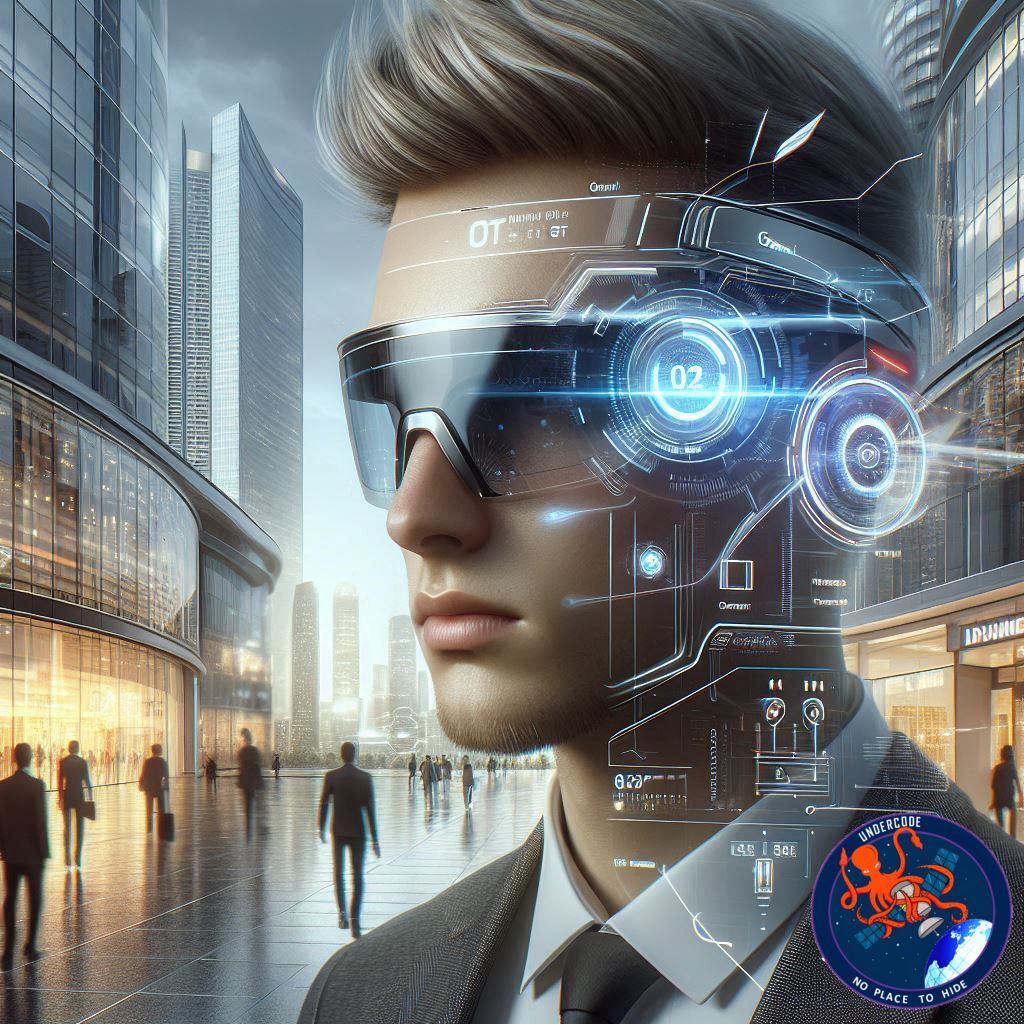
The race to build the next generation of intelligent eyewear has never been more intense. Tech giants are battling for dominance, startups are pushing boundaries, and consumers are finally warming up to the idea of AI that lives right in front of their eyes. Google, once burned by the failure of Google Glass, is returning to the arena with a far more mature strategy. The company now plans to launch the first AI-powered glasses built with Gemini in 2026, partnering with major eyewear brands and betting heavily on mixed reality as the next frontier. What unfolds here isn’t just a product launch, it is a tectonic shift in how humans interact with information.
The Coming Wave of Gemini AI Glasses in 2026
Google confirmed that its first wave of AI glasses designed around the Gemini ecosystem will arrive in 2026, setting the stage for a massive showdowns with Meta, Apple, Snap and Samsung. The company is splitting its approach into two primary categories: one set of glasses with integrated displays and another audio-driven set for lighter, more discreet use. Samsung, Warby Parker and Gentle Monster have already signed on as hardware partners, although final designs remain under wraps. What is clear is Google’s intent to build a product that blends practicality with style, learning from the missteps of the old Google Glass.
Growth in the AR and AI eyewear market is moving fast. Meta currently leads with its Ray-Ban and Oakley smart glasses, praised for usability and comfort. Apple and Snap are entering the field next year, while Google attempts a comeback with a far more polished vision. During private demos in New York, Google showcased prototype glasses developed with partners such as Xreal, including Project Aura, the sleekest version yet of an Android XR device. These glasses offer two display formats, monocular and binocular, each capable of delivering augmented-reality overlays for apps like Google Meet, Google Maps and Gemini interactions.
Using Gemini through the glasses is designed to feel effortless. The glasses offload heavy processing tasks to the user’s smartphone, enabling the eyewear to remain slim, lightweight and indistinguishable from normal spectacles. Early demos revealed real-time translation captions, hands-free navigation, food recognition for recipe generation and instant photo enhancement with Google’s Nano Banana Pro generative AI. These features promise a blend of convenience and futuristic utility, the kind of real-world functionality earlier smart glasses never quite achieved.
The binocular version of the glasses delivers a wider virtual display, making navigation and visual tasks more immersive. Looking down reveals a full top-down map view with directional orientation. Capturing photos and previewing edits directly through the lenses means less dependence on phones and more fluid interactions. Google’s goal is to ensure software parity across both screen and audio models, letting users choose style or immersion without losing capabilities.
Project Aura stands out as Google’s boldest experiment. It runs Android XR independently, similar to Samsung’s Galaxy XR headset, but must be connected to an external battery to operate. With a 70-degree field of view and smooth hand tracking, Aura feels familiar to Galaxy XR users and offers a compelling middle ground between glasses and headsets.
Google and Samsung are also strengthening the Galaxy XR experience. The upcoming travel mode improves usability in cars and planes, solving the long-standing issue of drifting windows during movement. A PC Connect app is rolling out, enabling any Windows device to mirror into XR space for productivity and gaming. This expands XR’s versatility beyond Samsung’s own laptops. A macOS version is planned as well. Meanwhile, a more realistic “Likeness” avatar system allows users to scan their face for lifelike video-call appearances, addressing criticism of Samsung’s earlier cartoonish avatars.
Behind these updates is a broader strategy: a unified Android XR ecosystem that bridges glasses, headsets and smartphones. Google wants every device to feel connected, consistent and powered by Gemini at the center.
🧩 What Undercode Say:
Google’s renewed push into smart glasses signals a critical inflection point. Unlike Google Glass, which tried to leap ahead of its time without solving real-world concerns, the 2026 strategy is built on restraint, partnerships and ecosystem thinking. By partnering with established fashion-forward eyewear brands, Google is leaning into style credibility, an area where previous attempts fell short. Consumers today demand devices that blend into their lifestyle, not gadgets that announce themselves.
The fact that heavy computational work is offloaded to smartphones showcases a smart architectural decision. This approach mirrors how Meta structured its Ray-Ban lineup, removing bulk and heat while keeping the glasses thin enough to feel familiar. Google is borrowing lessons from competitors but adding its own twist through deeper integration with Gemini, a multilingual, multimodal AI assistant that already holds a strong presence in the Android ecosystem.
The strategic timing also matters. 2026 places Google’s glasses in direct competition with Apple’s expected AR eyewear line. For the first time, Google will go head-to-head with Apple in a product category that could replace smartphones in the long run. The stakes here are enormous. Whoever wins smart glasses wins the gateway to ambient computing, the next evolution of personal technology.
Project Aura is the wildcard. With its standalone XR capabilities, it sits between a lightweight AR glasses experience and a full VR headset. If Google is able to refine battery integration and weight distribution, Aura could disrupt both XR headsets and smart glasses simultaneously, offering a hybrid that appeals to users seeking mobility and immersion without committing to bulky headsets.
The Galaxy XR updates highlight another turning point. Travel mode, PC mirroring and realistic avatars address feedback quickly, suggesting Samsung and Google are listening closely to early adopters. This responsiveness is crucial, considering Meta’s head start and Apple’s precision-driven design approach. If Google and Samsung can evolve XR quickly, they strengthen the runway for the Android XR platform and create a stable environment for Google’s 2026 glasses to thrive.
The industry momentum as a whole reflects one underlying truth: AI and AR are converging faster than expected. The glasses category that began with novelty is transforming into essential everyday hardware. Gemini integration could introduce a level of contextual awareness few competitors can match. Imagine glasses that understand your surroundings, your tasks and your voice, responding instantly without requiring a phone screen. This is where Google sees the future heading.
As more companies enter the arena, one question looms over all: will consumers accept face-worn computers as easily as they embraced smartphones? The next two years will determine whether AI glasses become mainstream or remain a tech enthusiast’s dream.
🔍 Fact Checker Results
Google confirmed 2026 for the first Gemini-powered glasses. ✅
Samsung, Warby Parker and Gentle Monster are official early partners. ✅
Project Aura requires an external battery pack to function. ✅
📊 Prediction
The 2026 release will ignite a new hardware war, especially as Apple and Meta strengthen their hold on smart eyewear. 🔥
Gemini-powered glasses may surpass competitors in software intelligence, giving Google an edge if the hardware lands at the right price. 🤖
By 2027, AR glasses could replace smartphone screens for navigation, translation and everyday AI tasks, accelerating the shift toward ambient computing. 🚀
🕵️📝✔️Let’s dive deep and fact‑check.
References:
Reported By: www.deccanchronicle.com
Extra Source Hub (Possible Sources for article):
https://stackoverflow.com
Wikipedia
OpenAi & Undercode AI
Image Source:
Unsplash
Undercode AI DI v2
Bing
🔐JOIN OUR CYBER WORLD [ CVE News • HackMonitor • UndercodeNews ]
📢 Follow UndercodeNews & Stay Tuned:
𝕏 formerly Twitter 🐦 | @ Threads | 🔗 Linkedin | 🦋BlueSky | 🐘Mastodon


