
Listen to this Post
Introduction: A New Era of Device Freedom Begins
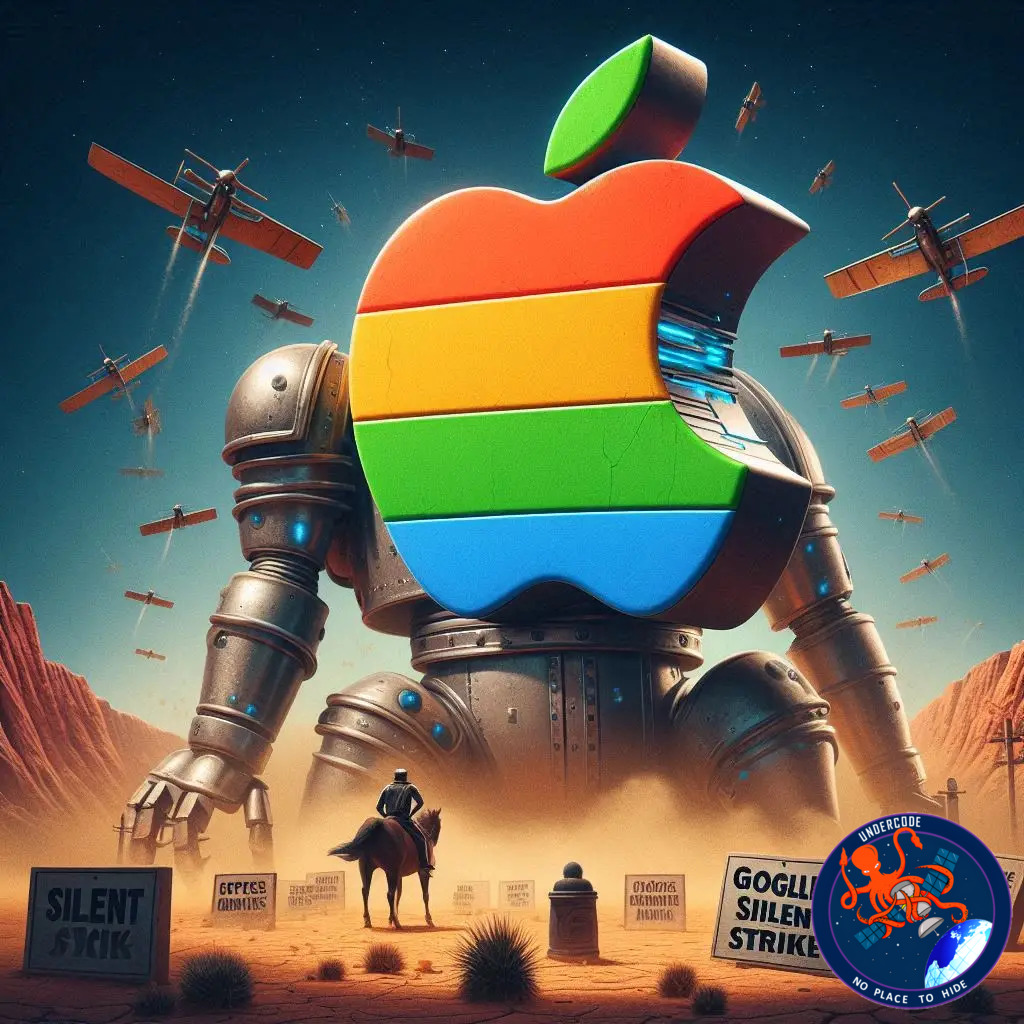
File sharing between Android and Apple devices has always been a frustrating dance of workarounds, cloud links, and awkward third-party apps. This week, that era suddenly shifted. Without warning, Google activated a feature that lets its Quick Share system communicate directly with Apple’s AirDrop. No partnerships. No official handshake. No prior agreement between the two tech giants. Just an unexpected bridge built right into the heart of the world’s most closed ecosystem.
The story behind this bold move reveals privacy debates, strategic gambles, and a seismic crack in Apple’s famously guarded garden. What follows is a full breakdown of everything that happened, why it matters, and where this battle of ecosystems might go next.
Overview Of Google’s Unexpected Move
Google shocked the entire tech world by enabling Quick Share to work flawlessly with Apple’s AirDrop. Users can now wirelessly send files between Android phones, iPhones, iPads, and eventually Macs. It feels instant. It feels natural. And it solves a massive pain point that lasted more than a decade.
Pixel 10 Takes The Lead
The feature is currently exclusive to Pixel 10 devices, almost like an early test phase, but Google confirms that it will expand across all Android brands. Samsung, Xiaomi, OnePlus, Motorola, and others will benefit once Google opens the gates.
A Two-Way Highway
The new system works in both directions. Apple devices can send files to Android, and Android can send files to Apple using this invisible bridge. It is the first true cross-platform peer-to-peer solution between these rival ecosystems.
A Huge Pain Point Gets Erased
Anyone who has tried to share files between Android and iPhone users knows the struggle. Emailing photos. Uploading videos to messaging apps. Losing quality. Compressing files. Re-sending. This single feature eliminates years of unnecessary friction.
Google Did It Alone
What shocked experts most is that Apple had absolutely no involvement. Google built the entire solution without access to Apple’s private AirDrop code. It essentially reverse-engineered compatibility without breaking rules or violating privacy.
Apple Has Stayed Silent
Apple has yet to make any statement. No endorsement, no criticism, no comment. Its silence is fueling speculation across the tech industry.
A Privacy-Focused Challenge
Since Apple often cites privacy as the foundation of its closed system, many expected strong objections. Perhaps anticipating this, Google preemptively revealed exactly how the technology works.
No Workarounds Or Server Routing
Google explained that the connection is fully direct. Files never pass through servers, are never logged, and no metadata is captured. This is the same method that both AirDrop and Quick Share already use.
Independent Security Assessment
To strengthen its position, Google hired NetSPI for an independent privacy review, making it harder for Apple to claim that this approach creates new risks.
Apple’s History Of Blocking Interoperability
Apple’s reluctance to support platform-neutral technologies is well known. The RCS saga lasted years until Apple finally accepted the standard under regulatory pressure in 2023.
Could Apple Shut This Down?
Experts believe Apple absolutely has the capability to stop this. It can issue updates that modify how AirDrop handles discovery, authentication, or device compatibility.
A Breach In The Walled Garden
This is not just a new feature. It is a philosophical breakthrough. For the first time ever, Apple’s tightly controlled ecosystem can be accessed indirectly without the company’s direct approval.
Future Implications Could Be Enormous
If Apple does not push back, what else might Google attempt? Messaging? Media sharing? Device syncing? The possibilities expand quickly.
Apple’s Product Appeal Depends On Exclusivity
Core Apple experiences like iMessage, AirDrop, and continuity features keep users locked into the ecosystem. Any erosion of exclusivity threatens that lock-in.
The Fear Of Users Imagining A World Beyond Apple
If device owners begin seeing how seamless cross-platform communication could be, it weakens the psychological power of Apple’s ecosystem advantage.
Google’s Strategic Patience
Some speculate that Google limited access to Pixel 10 devices only to study Apple’s reaction before scaling the feature to Samsung and others.
A Possible Early Warning System
If Apple strikes quickly, Google avoids the embarrassment of publicly enabling the feature across millions of devices only to watch it get blocked.
Apple’s Notorious Defense Mechanisms
Apple has a long history of quietly patching features it does not approve of. Whether AirDrop compatibility survives depends entirely on Apple’s next move.
A Universal User Desire
Most people simply want simple file sharing, regardless of brands, platforms, or ecosystems. This breakthrough delivers exactly that… but for how long?
The Uncertain Path Ahead
This is either the beginning of a new open future, or a temporary glitch Apple will immediately correct.
What Undercode Say:
Rise Of A New Cross-Platform Standard
What Google has done here is not a minor convenience update. It represents an existential challenge to the idea that ecosystems must remain isolated to preserve brand loyalty.
The Undercurrent Of User Frustration
For years, billions of users across the world have struggled to share files between iPhones and Android devices. That ongoing frustration created a massive demand for a universal solution.
Google’s Calculated Strike At The Right Moment
Launching the feature quietly, without negotiation, is a timing strategy. Google knows regulators worldwide are scrutinizing Apple for anti-competitive behavior.
Apple’s Silence Speaks Volumes
The lack of response suggests Apple is weighing whether opposing this feature could expose it to legal criticism, especially in the EU and upcoming US regulations.
The Pixel-First Strategy Raises Questions
Limiting this capability to Pixel devices allows Google to protect itself if Apple moves to block access. It is essentially a controlled experiment inside a small, manageable ecosystem.
Technological Feasibility Proves Apple Wrong
Apple has long suggested that interoperability compromises security. Google’s approach and its independent assessment directly contradict that narrative.
The Ecosystem War Intensifies
Every tech war comes down to control. Apple controls its users through exclusivity. Google thrives on openness. This feature attacks the foundation of Apple’s strategy.
The Psychological Shift Is Massive
If users realize that ecosystem borders can be erased without sacrificing privacy, the emotional hold of Apple’s ecosystem weakens.
Regulators Will Pay Close Attention
Governments have pressured Apple for years to open its platforms. Google’s unexpected move gives regulators more evidence that openness is possible and functional.
The iMessage Precedent Matters
After Apple reluctantly accepted RCS, another blow to exclusivity could accelerate demands for cross-platform messaging and syncing.
Apple’s Next Move Will Shape Tech History
If Apple tolerates this, the door to future interoperability opens wide. If it shuts the door, it reinforces its walled garden philosophy, but at a regulatory risk.
Samsung Stands To Benefit Enormously
Once the feature becomes available across Android, Samsung users gain instant seamless communication with Apple devices, reducing one of Apple’s competitive upper hands.
Consumer Pressure Will Intensify
As more users discover this feature, Apple may face public backlash if it removes or blocks support.
A Potential Domino Effect
If file sharing becomes interoperable, other features may follow, such as collaborative apps, shared media, or messaging interlinks.
Google’s Transparency Is A Strategic Weapon
By openly discussing security, Google positions itself as the platform championing user freedom and privacy.
The Regulatory Shield
Google’s move could be protected under new digital competition laws, making it harder for Apple to justify blocking it.
Privacy As A Political Tool
Apple may respond by leaning heavily into privacy arguments, but the independent assessment weakens that defense.
Users Are The Real Winners
At the heart of this story lies a simple truth: people just want things to work. No complications. No corporate battles. Just smooth functionality.
A Rare Moment Of Platform Progress
This breakthrough, even if temporary, shows that cross-platform communication can be seamless without compromising security.
The Future Looks Unpredictable
Whether this becomes a new standard or a short-lived experiment depends entirely on Apple’s next update.
Fact Checker Results
Privacy remains intact according to Google’s independent audit and official technical explanation.
Apple has indeed made no public statement regarding the feature.
The interoperability currently works only on Pixel 10 devices, with future expansion planned. ✅❌✅
Prediction
Google will expand support to more Android devices within months.
Apple will attempt subtle backend changes to regain control without sparking regulatory backlash.
Cross-platform file sharing may become a permanent expectation among users, shifting the entire mobile landscape. 📱🔮✨
🕵️📝✔️Let’s dive deep and fact‑check.
References:
Reported By: www.sammobile.com
Extra Source Hub (Possible Sources for article):
https://www.github.com
Wikipedia
OpenAi & Undercode AI
Image Source:
Unsplash
Undercode AI DI v2
Bing
🔐JOIN OUR CYBER WORLD [ CVE News • HackMonitor • UndercodeNews ]
📢 Follow UndercodeNews & Stay Tuned:
𝕏 formerly Twitter 🐦 | @ Threads | 🔗 Linkedin | 🦋BlueSky | 🐘Mastodon


