
Listen to this Post
Introduction: Why This Matters
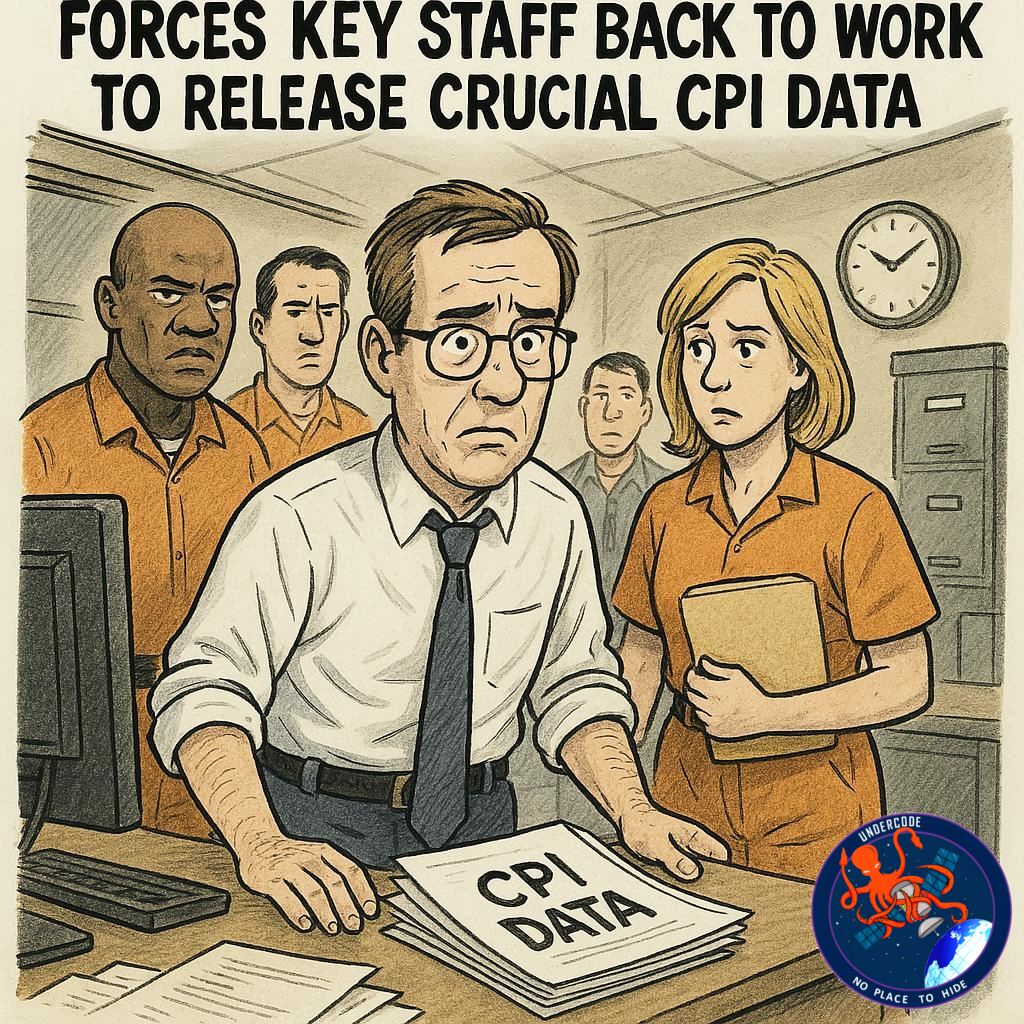
The U.S. government shutdown has thrown many operations into limbo, but one report remains too critical to delay: the Consumer Price Index (CPI). The CPI measures inflation and directly influences Social Security cost-of-living adjustments (COLA). Despite funding gaps, the Bureau of Labor Statistics (BLS) is calling staff back to ensure this data is prepared on time, highlighting the CPI’s enormous impact on millions of Americans.
CPI Report Delays Amid Shutdown
Since October 1, the government’s funding lapse halted most BLS operations, leaving only one employee on duty full-time. This freeze affected key reports, including the monthly jobs report and the September CPI. The CPI data, initially scheduled for October 15, is critical because it determines the annual Social Security adjustment. Without it, the COLA that beneficiaries rely on could face delays.
Social Security and COLA Implications
Social Security provides an annual COLA based on inflation from the third quarter of the year, including September’s CPI. More than 74 million Americans—senior citizens, people with disabilities, and others—depend on these adjustments. The COLA ensures benefits keep pace with inflation. For 2024, recipients received a 2.5% increase, lower than previous years due to declining inflation. A delay in the CPI could therefore affect how quickly the 2026 COLA is announced.
Staff Recall to Ensure Data Accuracy
To avoid disruptions, the BLS is recalling staff on an as-needed basis to finalize the September CPI report. This move underscores the importance of timely data for federal programs and financial planning. While Social Security distributions continue during the shutdown, accurate inflation reporting is crucial to maintain fairness in benefit adjustments.
What Undercode Say: Deep Analysis
The decision to bring back BLS staff reveals the delicate balance between government operations and public financial stability. Inflation reporting is not just a statistic; it directly affects household budgets, especially for those relying on Social Security. Analysts note that any delay in the CPI could ripple across financial markets, as investors monitor inflation trends to adjust interest rates, bond yields, and stock valuations.
The shutdown has also exposed the fragility of contingency plans. With only one employee initially working, data collection was effectively frozen. This pause could create challenges in ensuring accuracy, as September data must be cross-verified and validated rapidly. Economists also emphasize that even minor reporting delays can impact Federal Reserve policy decisions, potentially influencing borrowing costs and economic growth projections.
Furthermore, this scenario highlights the intersection of politics and economics. Decisions made at the federal level during a shutdown can have cascading effects on social programs and financial markets. For beneficiaries, timely CPI data is not just a number—it determines real purchasing power for millions of Americans. The BLS recall underscores how even temporary government disruptions can have broad societal and economic consequences.
On the market side, investors may react cautiously to CPI uncertainty. Inflation readings guide expectations for Federal Reserve interest rate adjustments. Any delays or anomalies in reporting can trigger market volatility, as seen in past months when CPI surprises led to immediate shifts in Treasury yields and stock indices.
Analysts also warn that this situation emphasizes the importance of robust contingency planning. Agencies like the BLS are tasked with ensuring continuity of essential functions even during funding gaps. The recall of staff may set a precedent for prioritizing critical economic data in future government shutdowns, underscoring the vital link between statistical reporting and financial stability.
In sum, the BLS staff recall reflects a broader lesson: essential government functions, like inflation measurement, have direct consequences on millions of Americans’ financial well-being and the broader economy. The urgency behind CPI reporting during the shutdown highlights the interconnectedness of policy, economics, and everyday life.
Fact Checker Results ✅❌
✅ The CPI is a crucial inflation measure impacting Social Security COLA.
✅ Social Security distributions continue during a government shutdown.
❌ The 2026 COLA has not yet been announced; the amount is pending the September CPI report.
Prediction 🔮
The BLS will likely release the September CPI report before November 1 to ensure Social Security adjustments are calculated on time. This may lead to slight delays in analysis or supplementary reports, but beneficiaries can expect the 2026 COLA announcement shortly after the CPI release. Markets may experience temporary volatility due to CPI uncertainty, but timely reporting will stabilize expectations.
🕵️📝✔️Let’s dive deep and fact‑check.
References:
Reported By: edition.cnn.com
Extra Source Hub:
https://www.quora.com
Wikipedia
OpenAi & Undercode AI
Image Source:
Unsplash
Undercode AI DI v2
🔐JOIN OUR CYBER WORLD [ CVE News • HackMonitor • UndercodeNews ]
📢 Follow UndercodeNews & Stay Tuned:
𝕏 formerly Twitter 🐦 | @ Threads | 🔗 Linkedin | 🦋BlueSky | 🐘Mastodon


