
Listen to this Post
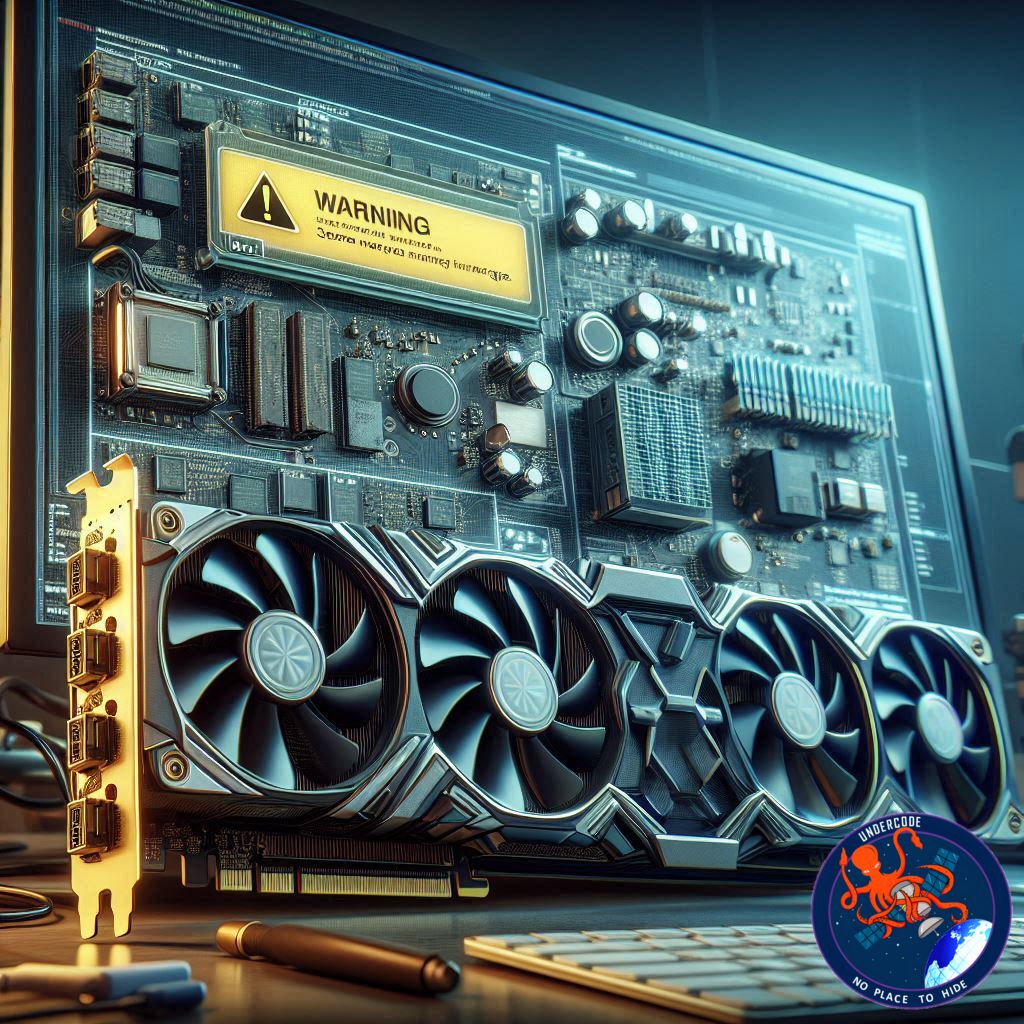
The global PC hardware market is facing a critical juncture as memory shortages push graphics card makers toward an unprecedented crisis. Zotac, a leading GPU manufacturer, has issued a stark warning, describing the situation as “extremely serious” and cautioning that some manufacturers could be driven out of business if supply constraints continue. With RAM prices soaring and GPU supply tightening, both consumers and the industry are bracing for a challenging year ahead.
Memory Shortages Threaten the GPU Industry
Recent reports highlight a persistent shortage of RAM, which shows no sign of easing. Zotac Korea has emphasized that the crisis is severe enough to threaten the survival of third-party graphics card makers and distributors. Supply chain issues are compounding the problem, as major GPU manufacturers like Nvidia reportedly consider reducing RTX 5000 GPU production by as much as 40%. This looming reduction would intensify pressure on smaller vendors struggling to secure enough VRAM modules for production.
Rising Costs and Consumer Impact
The consequences of this shortage extend directly to consumers. Graphics card prices have already surged, and RAM costs have reached unprecedented levels, sometimes exceeding the price of entire pre-built systems. Storage prices are also on the rise, further straining PC builders’ budgets. For gamers and tech enthusiasts, assembling a high-performance PC is becoming increasingly costly and complex, potentially delaying or preventing purchases.
Market Volatility and the AI Shift
As AMD and Nvidia pivot toward AI-focused GPUs, attention may drift away from the traditional gaming market, exacerbating the availability problem. This shift suggests that PC gamers might face longer waits and higher prices, as large-scale production favors AI-oriented chipsets over consumer-focused GPUs. Zotac, Gigabyte, and Asus are among the manufacturers most at risk of financial strain, potentially limiting the variety and quantity of graphics cards available on the market.
The Rise of Cloud Gaming
Amid hardware shortages, cloud gaming platforms like Nvidia GeForce Now are gaining traction. While these services offer impressive accessibility and performance across devices, they are not a perfect substitute for local gaming hardware. Connectivity issues, latency, and reliance on subscriptions limit their appeal. Yet, as GPU shortages persist, cloud gaming may increasingly be marketed as a primary solution, rather than an alternative or temporary option.
What Undercode Say: Analysis and Implications
The Zotac warning underscores a fundamental vulnerability in the GPU supply chain. Memory is the backbone of graphics card production, and any disruption has a cascading effect across manufacturers and consumers. Zotac’s warning is particularly significant because it is one of the first major manufacturers to publicly highlight the existential threat posed by the RAM shortage. Smaller vendors, which operate on thinner margins than Nvidia or AMD, could face bankruptcy if the crisis continues.
For consumers, the situation is likely to translate into a prolonged period of high prices and limited availability. Enthusiasts seeking high-end GPUs for gaming or creative workloads may need to adjust expectations, prioritize upgrading only essential components, or consider alternative platforms. The current trajectory also suggests that retailers could face inventory challenges, with pre-orders exceeding stock and driving further price inflation.
Strategically, the industry may see consolidation, with weaker vendors exiting the market or being absorbed by larger companies. This would reduce competition and potentially slow innovation, as fewer companies control the GPU market. The push toward AI-focused GPUs compounds the issue, diverting resources away from gaming-oriented production.
The cloud gaming trend presents both an opportunity and a challenge. Platforms like GeForce Now offer temporary relief by allowing gamers to play high-end titles without owning premium hardware. However, a heavy reliance on cloud gaming could reshape the gaming ecosystem, shifting power from consumers to service providers and creating dependency on stable internet infrastructure.
In the longer term, the crisis highlights the need for diversification in memory production and more resilient supply chains. Companies may invest in alternative memory technologies or explore regional manufacturing solutions to mitigate risk. For gamers, adaptability will be key: understanding market fluctuations, anticipating shortages, and adjusting purchasing strategies could mean the difference between enjoying the latest hardware or facing months-long delays.
The situation also raises questions about the broader semiconductor industry. If memory shortages persist, they could impact not only gaming PCs but also AI research, workstation deployments, and other technology sectors that rely on high-performance GPUs. In this context, the RAM shortage is more than a temporary inconvenience—it is a potential stress test for the global technology supply chain.
Fact Checker Results
✅ Zotac publicly warned about memory shortages impacting graphics card makers.
✅ GPU prices and RAM costs have reached historically high levels for consumers.
❌ There is no confirmed mass shutdown of GPU manufacturers yet; warnings are precautionary.
Prediction
📊 Expect GPU shortages to continue through 2026, with prices remaining elevated.
📊 Cloud gaming services will gain more visibility and usage but will not fully replace hardware-based gaming.
📊 Smaller graphics card vendors may consolidate or exit the market, while AI-focused GPU production grows.
This evolving memory crisis signals a pivotal year for the PC hardware ecosystem, where supply constraints, rising costs, and shifting market priorities could redefine how gamers access and experience technology.
🕵️📝✔️Let’s dive deep and fact‑check.
References:
Reported By: www.techradar.com
Extra Source Hub (Possible Sources for article):
https://www.digitaltrends.com
Wikipedia
OpenAi & Undercode AI
Image Source:
Unsplash
Undercode AI DI v2
Bing
🔐JOIN OUR CYBER WORLD [ CVE News • HackMonitor • UndercodeNews ]
📢 Follow UndercodeNews & Stay Tuned:
𝕏 formerly Twitter 🐦 | @ Threads | 🔗 Linkedin | 🦋BlueSky | 🐘Mastodon


