
Listen to this Post
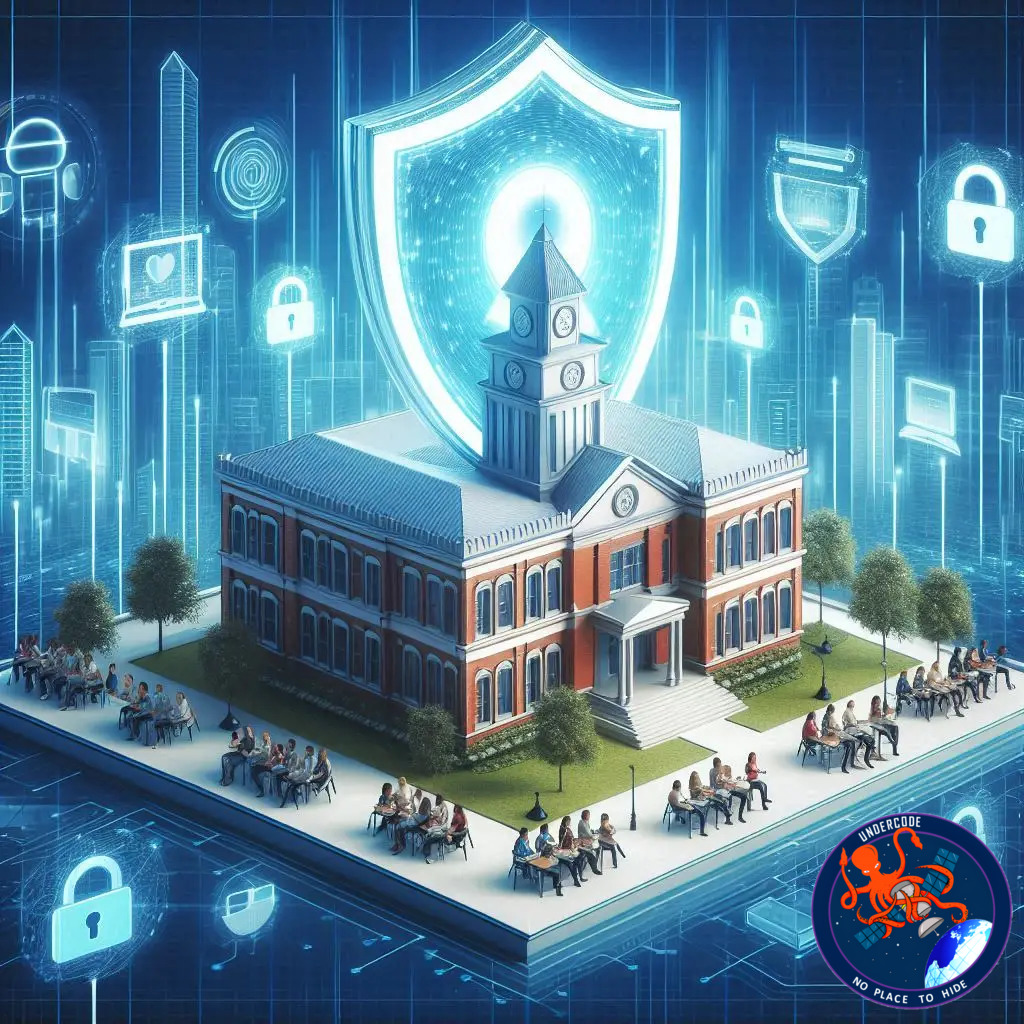
In a world where digital infrastructure forms the backbone of modern education, even prestigious institutions are not immune to the rising tide of cyber threats. In October 2025, Haileybury College—one of Australia’s most respected private schools—faced a sudden and potentially devastating cyber attack that disrupted parts of its network and forced administrators to take swift, decisive action.
The breach triggered immediate alarm within the school’s IT department, leading to network access restrictions and emergency response protocols. Within hours, Haileybury’s team successfully contained the intrusion by isolating the affected systems, effectively preventing the attackers from spreading deeper into the network. The move protected critical data belonging to students, teachers, and administrative staff.
Although official statements remained measured, internal reports suggest that the college acted with remarkable speed, shutting down compromised areas before data exfiltration could occur. No evidence has yet emerged of leaked personal information, but cybersecurity experts believe the attack could have been a “probing attempt”—a reconnaissance mission aimed at testing the school’s digital defenses rather than stealing data outright.
The incident underscores a troubling reality: educational institutions have become attractive targets for hackers due to their reliance on digital platforms, extensive databases of personal records, and often insufficient cyber defense budgets. In Australia alone, cyber incidents affecting schools have increased sharply in recent years, driven by ransomware groups and data theft syndicates.
Haileybury’s proactive response stands out as a model of crisis management. Instead of succumbing to paralysis or secrecy, the school implemented network segmentation, reinforced firewalls, and initiated a full-scale forensic audit. Parents and staff were reportedly notified early, ensuring transparency and trust during the uncertainty. The recovery was swift, with core systems restored within days—an impressive turnaround compared to the weeks or months it often takes other institutions to recover from similar attacks.
This event serves as both a warning and a case study. While Haileybury’s containment strategy worked, the incident highlights an escalating cyber landscape that no sector can ignore. Schools, especially those handling sensitive student data, must treat cybersecurity not as an IT issue but as a core institutional priority.
What Undercode Say:
Cyber attacks targeting schools reveal a growing vulnerability in the global digital ecosystem. Educational institutions have long been perceived as “soft targets”—organizations rich in data but light on defense. The Haileybury case illustrates a larger systemic issue: the widening gap between digital dependency and cyber resilience.
In many schools, IT infrastructure was designed primarily for learning convenience, not for repelling sophisticated intrusions. When a threat actor exploits that gap, the consequences ripple far beyond disrupted classes. Think of the potential exposure—personal addresses, medical data, academic performance, even behavioral records. In the wrong hands, such information could fuel identity theft or social engineering schemes.
Haileybury’s rapid isolation of affected systems demonstrates a level of preparedness rare in the educational sector. The key to their success likely lay in pre-established incident response frameworks and real-time monitoring tools. Institutions that rehearse breach scenarios—much like fire drills—tend to fare better when real crises strike.
Another factor worth noting is transparency. Many schools opt for silence after a cyber event, fearing reputational harm. Haileybury’s willingness to act decisively and communicate early helped maintain confidence among students, parents, and staff. This is crisis management done right.
But the deeper lesson is strategic: cybersecurity must evolve from a reactive posture to a predictive one. Investing in advanced intrusion detection systems, employee training, and cloud security hygiene is no longer optional. It’s the digital equivalent of building secure classrooms for the next generation.
The attack on Haileybury also fits into a broader regional trend. Australia’s education sector has faced multiple cyber incidents over the past two years, signaling a shift in hacker focus. Where once corporate databases and financial institutions dominated the target list, attackers now view schools as entry points into broader networks or repositories of valuable, underprotected data.
Undercode’s analysis points toward the convergence of two realities: increasing digital sophistication among schools and escalating adversarial capabilities. The more connected a campus becomes—smart boards, IoT devices, online exams—the more potential vulnerabilities emerge. This incident should act as a catalyst for nationwide cyber awareness campaigns and standardized response protocols across educational institutions.
The takeaway is clear: cybersecurity isn’t just about defense anymore; it’s about digital continuity. For Haileybury, containment was a victory, but the next challenge lies in building resilience. Schools must move beyond patching holes—they must predict where the next breach might come from.
Fact Checker Results:
✅ Haileybury College confirmed a network disruption in October 2025.
✅ The institution isolated affected systems to contain the attack.
❌ No verified reports indicate any leaked personal data.
Prediction 🔮
Cyberattacks on educational institutions will continue to rise through 2026, targeting both private and public schools across Australia. Expect to see increased government mandates for digital safety training and stronger cybersecurity infrastructure. Haileybury’s swift response may soon become the benchmark for how schools prepare for and neutralize digital threats.
🕵️📝✔️Let’s dive deep and fact‑check.
References:
Reported By: x.com
Extra Source Hub (Possible Sources for article):
https://www.quora.com/topic/Technology
Wikipedia
OpenAi & Undercode AI
Image Source:
Unsplash
Undercode AI DI v2
Bing
🔐JOIN OUR CYBER WORLD [ CVE News • HackMonitor • UndercodeNews ]
📢 Follow UndercodeNews & Stay Tuned:
𝕏 formerly Twitter 🐦 | @ Threads | 🔗 Linkedin | 🦋BlueSky | 🐘Mastodon


