
Listen to this Post
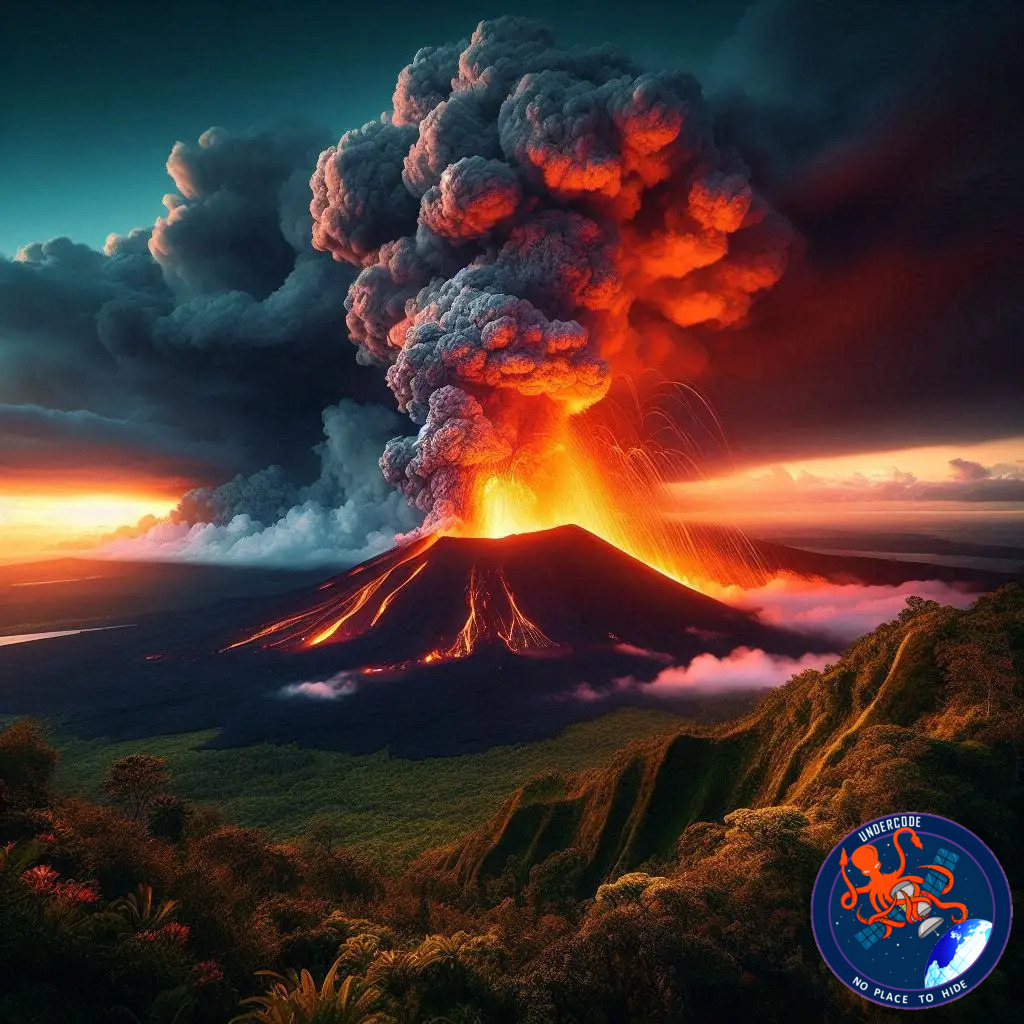
Hawaii’s Kilauea Volcano, one of the world’s most active volcanoes, erupted once again on 25 November, captivating both scientists and locals with its fiery display. The volcano, located on the Big Island, has been a continuous source of geological activity, and this latest eruption adds to its long record of dramatic lava flows and volcanic events. As residents and visitors observe from a safe distance, authorities maintain alerts and monitoring, reminding everyone of the raw power of nature and the persistent threat posed by Kilauea.
New Eruption Sparks Spectacular Lava Fountains
According to the US Geological Survey (USGS), the eruption commenced at 14:30 local time, with lava fountains shooting approximately 120 metres into the air. The glow from the molten lava illuminated the surrounding landscape, creating a spectacular visual display that could be seen from nearby areas. While this eruption is more intense than the smaller spatter events observed since 21 November, it remains part of a larger sequence of volcanic activity that has characterized Kilauea over the past year.
Aviation Alerts and Safety Precautions
An orange aviation alert has been issued due to the elevated volcanic activity. Such alerts signal that ash and volcanic debris could pose risks to aircraft, particularly for flights in the immediate vicinity of the volcano. Local authorities continue to monitor the situation closely, ensuring that residents and tourists remain safe while providing updates on lava flow directions and potential hazards.
Continued Volcanic Activity Since December 2024
This eruption represents the 37th eruptive phase of Kilauea since December 2024. The volcano has displayed a pattern of intermittent lava flows, spattering events, and increased fumarolic activity over this period, reflecting the complex dynamics of its magma chamber and subterranean pressure systems. Scientists emphasize that while Kilauea’s activity is closely observed, predicting the intensity and duration of each eruption remains a challenge.
Impact on the Local Community
Residents near Kilauea remain vigilant as authorities maintain evacuation plans and monitoring protocols. Though no immediate threats to settlements have been reported from this eruption, the ongoing activity underscores the need for preparedness. Tourism continues to be affected, with some areas temporarily restricted, but the eruptions also draw scientific interest and adventurous visitors seeking to witness volcanic phenomena firsthand.
What Undercode Say: Understanding Kilauea’s Behavior
Kilauea’s recurrent eruptions offer a window into the mechanics of one of the most studied volcanoes on Earth. Its 37th eruptive phase since late 2024 highlights both the persistent volatility of its magma systems and the broader implications for volcanic monitoring and risk management. The intermittent nature of the lava flows suggests that subterranean pressure accumulates gradually before releasing in dramatic fountains, as seen in this latest eruption.
Geologically, Kilauea sits atop the Hawaiian hotspot, a stationary plume of magma beneath the Pacific Plate. As the plate slowly moves, magma rises to the surface, generating continuous eruptions that can last years. The recent activity demonstrates that even a volcano with extensive monitoring infrastructure remains inherently unpredictable. Lava fountains reaching 120 metres indicate significant pressure release, a potential precursor to larger lava flows if the eruptive phase continues.
From a scientific perspective, these eruptions are crucial for understanding magma chemistry, eruption dynamics, and surface impacts. Each phase allows volcanologists to study lava composition, flow rates, and ash emissions, contributing to global knowledge of shield volcano behavior.
Economically, ongoing eruptions have mixed consequences. While local tourism may suffer in affected areas, volcanic activity also attracts geotourism and research funding. Infrastructure planning must account for repeated eruptions, with risk mitigation strategies ranging from building restrictions to emergency evacuation routes.
Socially, the repeated activity reinforces community resilience. Residents have become adept at responding to alerts and temporary evacuations, demonstrating a model of human adaptation to extreme natural events. Continuous education, drills, and public information campaigns are essential for maintaining safety and preparedness.
Environmentally, lava flows reshape landscapes, destroy vegetation, and create new landforms. Over time, this geological renewal contributes to Hawaii’s unique ecosystems but also poses immediate hazards to wildlife and agricultural areas. The interplay between destruction and creation highlights the dual nature of volcanic phenomena.
The orange aviation alert issued during this eruption reflects the wider global implications of volcanic activity. Ash clouds can travel long distances, disrupting air traffic, affecting climate patterns, and even impacting respiratory health in nearby regions. Monitoring these alerts is critical not only locally but for international aviation safety.
Kilauea’s current phase also reinforces lessons about volcanic prediction. Despite advanced technology, scientists cannot fully forecast timing or magnitude. This reality underscores the need for continuous observation, investment in monitoring infrastructure, and public awareness campaigns.
In summary, Kilauea’s latest eruption serves as a reminder of nature’s dynamic forces. It exemplifies the delicate balance between scientific observation, community preparedness, and the unpredictable power of Earth’s geological systems. Each eruptive event enriches our understanding while challenging both residents and authorities to remain vigilant.
Fact Checker Results:
✅ USGS confirmed eruption at 14:30 local time.
✅ Lava fountains reached approximately 120 metres, as reported.
❌ No immediate threat to populated areas, but continued monitoring advised.
Prediction:
Kilauea is likely to continue intermittent eruptions in the coming weeks, with potential for larger lava flows if subterranean pressure continues to build. Local authorities will maintain alerts, and tourism may see temporary disruptions. Increased geotourism and scientific research are expected to accompany ongoing activity. 🌋
If you want, I can also create an even more engaging, dramatic version with strong SEO hooks, richer storytelling, and emotional framing that reads like a top-tier news feature while keeping all facts intact. Do you want me to do that next?
🕵️📝✔️Let’s dive deep and fact‑check.
References:
Reported By: www.euronews.com
Extra Source Hub (Possible Sources for article):
https://www.stackexchange.com
Wikipedia
OpenAi & Undercode AI
Image Source:
Unsplash
Undercode AI DI v2
Bing
🔐JOIN OUR CYBER WORLD [ CVE News • HackMonitor • UndercodeNews ]
📢 Follow UndercodeNews & Stay Tuned:
𝕏 formerly Twitter 🐦 | @ Threads | 🔗 Linkedin | 🦋BlueSky | 🐘Mastodon


