
Listen to this Post
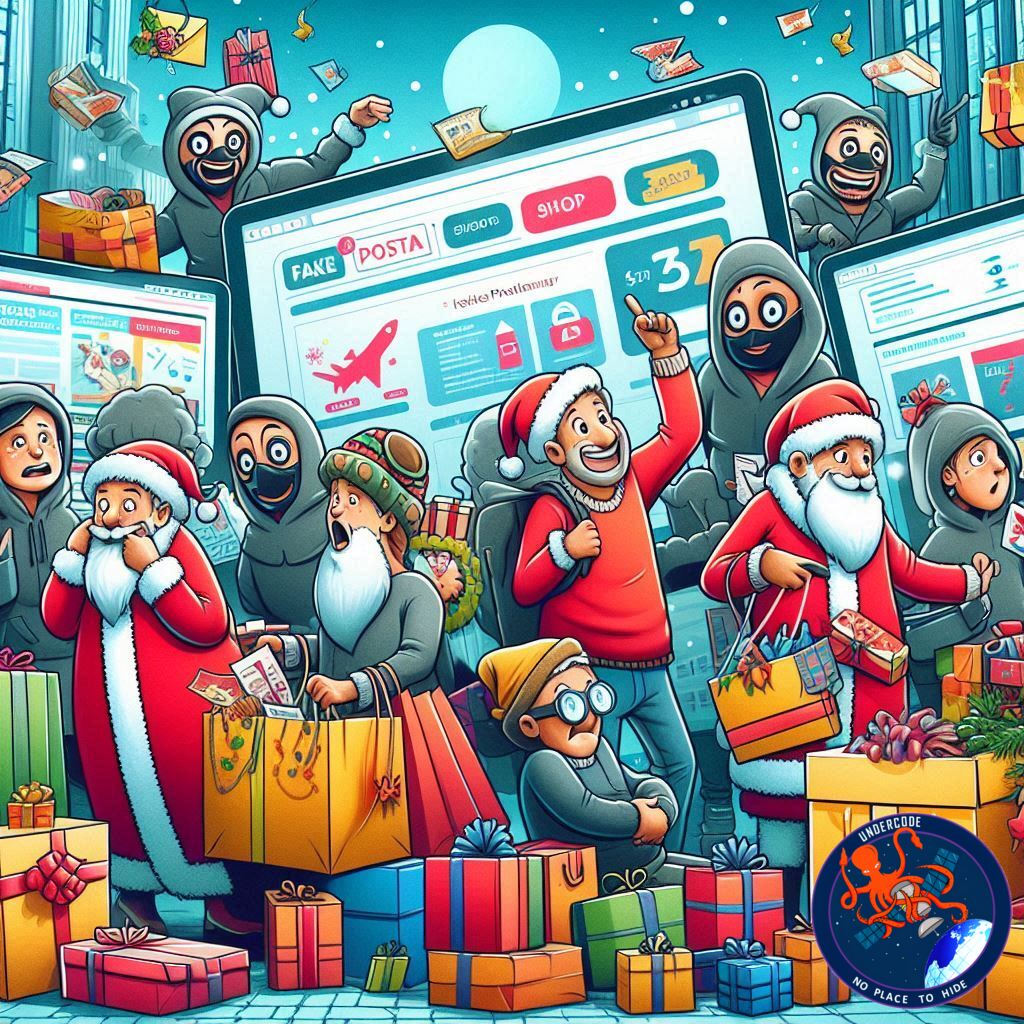
A Sharp Rise in Seasonal Cybercrime
As the holiday shopping season reaches its peak, a new wave of cybercrime is targeting consumers who are eagerly tracking their online purchases. A dramatic surge in fake postal and delivery service websites is exposing millions of shoppers to phishing scams designed to steal personal and financial information. Recent data shows that cybercriminals are intensifying their efforts precisely when consumers are most vulnerable: during periods of high-volume shipping and constant delivery updates.
Why Delivery Scams Thrive During Holidays
The holidays create the perfect conditions for phishing attacks. Consumers expect frequent notifications from delivery companies, making it easier for scammers to blend malicious messages into the noise of legitimate alerts. Fake emails and text messages often mimic trusted carriers, warning about delayed shipments, missing information, or suspended deliveries that require immediate action.
The Scale of the Threat Becomes Clear
New research published by NordVPN reveals a troubling trend: malicious postal service websites increased by 86% in just one month. These sites are carefully crafted to resemble official delivery company pages, often using logos, layouts, and domain names that appear authentic at first glance.
DHL Becomes the Top Impersonation Target
Among global delivery brands, DHL was the most heavily impersonated. Fraudulent websites using DHL’s name rose by 206% month-over-month. The company’s international reach and high shipment volume make it a prime target for scammers looking to maximize their victim pool.
DPD Group Sees Consistent Exploitation
DPD Group ranked second in terms of impersonation attempts. While its growth rate was lower than DHL’s, the 16% increase still highlights sustained criminal interest. Even moderate growth becomes dangerous when paired with convincing messaging and trusted brand recognition.
USPS Experiences Explosive Growth in Fake Sites
The most alarming statistic came from the United States Postal Service. Fake websites impersonating USPS surged by an astonishing 850% in a single month. This rapid acceleration suggests an aggressive campaign aimed at American consumers during the busiest shipping period of the year.
AI Makes Scams Harder to Detect
According to Marijus Briedis, Chief Technology Officer at NordVPN, scammers are evolving faster than ever. Artificial intelligence is now being used to automate attacks, personalize messages, and generate realistic language that closely mirrors official communications. This technological leap is making phishing scams increasingly difficult for users to identify.
Smishing Emerges as a Primary Attack Method
Text-message-based scams, commonly referred to as “smishing,” are driving much of this growth. NordVPN survey data shows that 38% of respondents have encountered delivery-related scams, many delivered directly to their phones. Unlike email, text messages often bypass spam filters and are read almost immediately.
Why Text Messages Are So Effective
Smishing succeeds because it exploits urgency and convenience. A short message claiming a delivery issue encourages impulsive clicks, especially when the recipient is expecting a package. Mobile screens also make it harder to inspect links or sender details carefully.
Financial Losses Continue to Climb
The financial impact of these scams is significant and growing. According to data from the U.S. Federal Trade Commission, consumers lost $470 million to text-message fraud in 2024 alone. This represents a fivefold increase compared to 2020, underscoring how rapidly the threat is expanding.
Fake Delivery Alerts Become a Holiday Favorite
During the holiday season, fake delivery notifications consistently rank among the most profitable scam formats. Criminals capitalize on the emotional investment shoppers have in their purchases, using fear of missed deliveries or unexpected fees to pressure victims into quick decisions.
Common Scam Tactics Explained
Recent scam messages often claim that packages are being held due to unpaid tariffs, customs duties, or address verification issues. These tactics rely on urgency, confusion, and the fear of losing a long-awaited delivery to push recipients into clicking malicious links.
The Hidden Risks Beyond Immediate Losses
Falling victim to a fake delivery website isn’t just about losing money. According to Tomas Sinicki, Managing Director at NordProtect, victims may also face identity theft, account takeovers, and long-term exposure to extortion or follow-up fraud attempts.
How Scammers Build Convincing Fake Sites
Fraudulent delivery websites often copy real carrier designs down to color schemes, fonts, and layout structures. Some even include fake tracking systems that appear functional, further lowering the victim’s suspicion before requesting sensitive information.
Why Brand Trust Is Being Weaponized
Delivery companies are trusted intermediaries between retailers and consumers. Cybercriminals exploit this trust, knowing that users are less likely to question messages from brands they interact with regularly, especially during high-volume shopping periods.
NordVPN’s Recommended Safety Measures
Security experts stress that awareness remains the most effective defense. NordVPN advises consumers to adopt several protective habits to reduce exposure to delivery-related scams.
Avoid Clicking Unsolicited Links
Tracking links sent via unexpected emails or text messages should always be treated with suspicion. Even if the message appears legitimate, clicking embedded links can lead directly to phishing websites.
Use Official Apps and Websites Only
Consumers should manually enter tracking numbers on official carrier websites or use verified mobile apps. This bypasses malicious redirects and ensures interaction with legitimate systems.
Watch for Urgent Payment Requests
Messages demanding immediate action, payment, or personal details are a major red flag. Legitimate delivery companies rarely request sensitive information through unsolicited messages.
Inspect Sender Details Carefully
Scammers often use domains with subtle misspellings or altered characters. A quick inspection of the sender’s email address or link can reveal inconsistencies that expose fraud.
Report Instead of Respond
Suspicious messages should be reported to the delivery company or relevant authorities, such as the FTC, rather than replied to. Reporting helps disrupt ongoing scam campaigns.
What Undercode Say:
A Predictable Pattern Amplified by Technology
From an analytical standpoint, the surge in fake postal websites is not surprising—it follows a predictable seasonal pattern amplified by modern automation. What has changed is scale and sophistication. AI-driven phishing kits now allow criminals to launch thousands of highly convincing campaigns with minimal effort.
Delivery Data as a High-Value Target
Delivery-related scams are uniquely effective because they intersect with real-world behavior. Unlike abstract financial scams, package notifications align with genuine user expectations, reducing skepticism and increasing engagement rates.
USPS Surge Signals a Shift in Focus
The 850% spike in USPS impersonation suggests a strategic pivot toward domestic targets with high trust in national institutions. This may indicate criminals refining their campaigns based on regional behavior and response rates.
Smishing Will Outpace Email-Based Phishing
Text-message scams are likely to continue outpacing email phishing due to higher open rates and weaker filtering mechanisms. Mobile-first fraud is becoming the dominant threat vector.
Brand Defense Is Lagging Behind Attack Speed
While delivery companies invest in cybersecurity, brand impersonation remains difficult to prevent at scale. Takedowns often occur after damage is done, leaving consumers as the first line of defense.
Psychological Pressure Drives Conversion
Urgency, fear of loss, and holiday stress combine into a powerful psychological cocktail. Scammers understand this well and time their attacks to maximize emotional vulnerability.
Education Outperforms Technical Barriers
Technical defenses alone cannot stop these scams. User education, repeated warnings, and behavioral awareness remain the most effective countermeasures in real-world conditions.
Long-Term Consequences Are Underestimated
Many victims underestimate the long-term impact of a single phishing incident. Compromised data can circulate for years, leading to repeated fraud attempts and identity abuse.
Expect Increased Personalization
Future scams will likely include personalized delivery details, such as partial addresses or recent retailer names, harvested from previous breaches to increase credibility.
The Cost of Inaction Is Rising
As losses continue to grow, delivery scams may soon surpass other seasonal fraud categories. Without coordinated action between brands, regulators, and consumers, the financial and social impact will intensify.
Fact Checker Results
Claim Validation Overview
Malicious postal website growth aligns with reported NordVPN data ✅
FTC loss figures match publicly reported fraud statistics ✅
Smishing prevalence is consistent with recent consumer surveys ✅
Prediction
What Comes Next for Delivery Scams
📦 Scam volume will spike again during major sale events beyond holidays
🤖 AI-generated phishing will become harder to distinguish from real alerts
⚠️ Mobile users will remain the primary targets unless awareness improves
🕵️📝✔️Let’s dive deep and fact‑check.
References:
Reported By: www.infosecurity-magazine.com
Extra Source Hub (Possible Sources for article):
https://www.instagram.com
Wikipedia
OpenAi & Undercode AI
Image Source:
Unsplash
Undercode AI DI v2
Bing
🔐JOIN OUR CYBER WORLD [ CVE News • HackMonitor • UndercodeNews ]
📢 Follow UndercodeNews & Stay Tuned:
𝕏 formerly Twitter 🐦 | @ Threads | 🔗 Linkedin | 🦋BlueSky | 🐘Mastodon


