
Listen to this Post
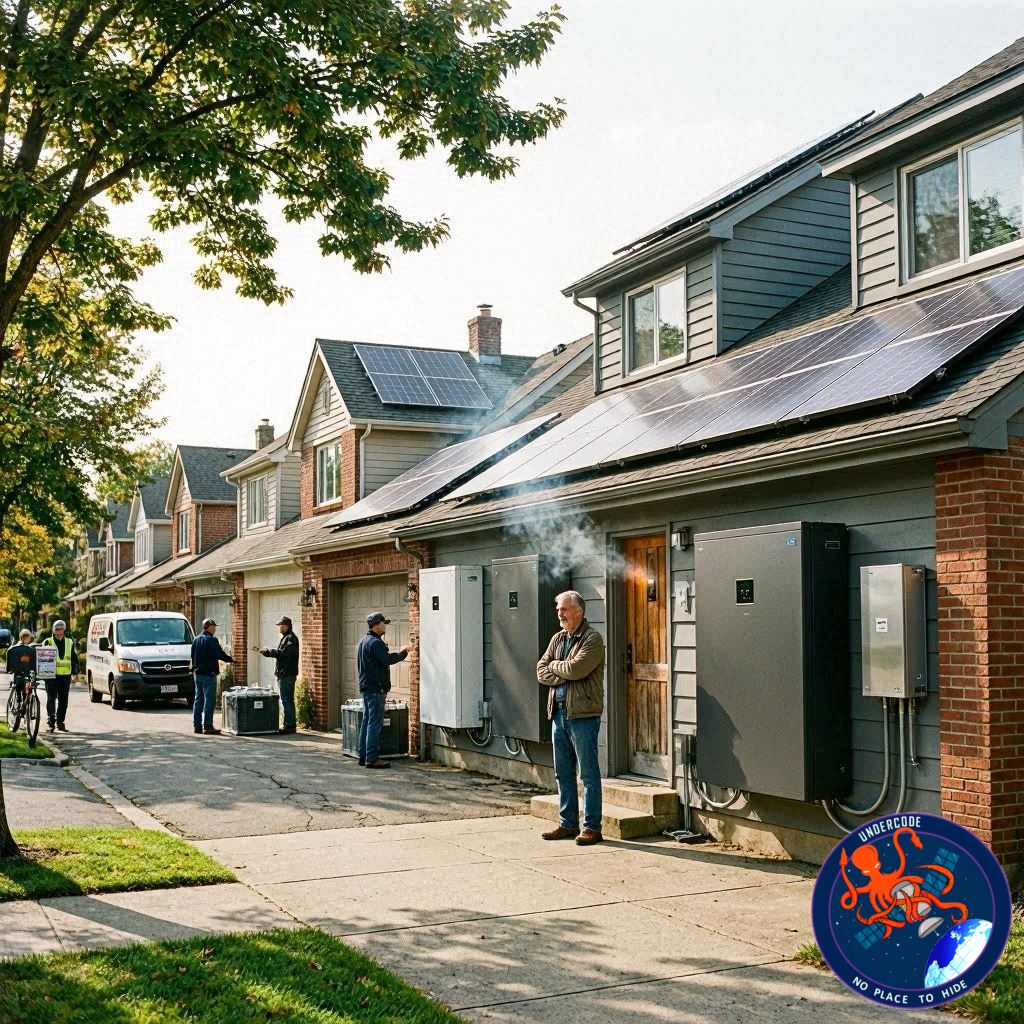
Why More Families Are Rethinking Energy Security
The modern home is becoming more dependent on electricity than ever before. Between electric vehicles, smart appliances, remote work setups, and rising temperatures pushing air conditioners harder each year, homeowners are starting to see electricity not as a luxury but as a lifeline. That shift is one of the biggest reasons battery backup systems are suddenly becoming a serious conversation in households across America.
For years, home batteries were viewed as expensive gadgets mostly reserved for wealthy solar enthusiasts or technology hobbyists. That perception is changing quickly. Repeated blackouts, unstable power grids, and rising utility costs are forcing average homeowners to reconsider how vulnerable they are when the lights go out.
Yet despite growing interest, confusion still dominates the buying process. Many homeowners are not rejecting battery systems because they dislike the idea. Instead, they are overwhelmed by the complexity of the decision. Questions about timing, installation costs, future home value, solar compatibility, and battery lifespan create hesitation even among motivated buyers.
Recent conversations with homeowners revealed something surprising: price is often not the main obstacle. The real issue is uncertainty. People want confidence that they are making the right long-term decision instead of wasting money on a trendy technology that may not suit their lifestyle.
The Real Trigger Behind Battery Purchases
Most homeowners do not wake up one morning and randomly decide to buy a battery backup system. The decision usually follows frustration.
A long blackout that spoiled groceries.
A summer storm that knocked out power for two days.
An electric bill that suddenly became unbearable.
A new solar installation that made energy storage seem logical.
These moments create urgency.
Instead of viewing batteries as optional upgrades, homeowners begin to see them as protection against instability. Backup systems are increasingly tied to peace of mind rather than environmental idealism.
This emotional shift matters because it changes how buyers evaluate the technology. They are no longer asking only, “How much does it cost?” They are asking, “How much is reliability worth?”
The Complicated Order of Home Upgrades
One of the biggest dilemmas homeowners face is figuring out what should come first.
Many people are juggling multiple expensive upgrades at the same time. Roof replacements, solar installations, electric vehicle charging systems, HVAC improvements, and battery backups all compete for attention and budget.
A Kentucky homeowner described the situation perfectly. She wanted backup power but was unsure how it fit into future plans for solar panels, a potential roof replacement, and maybe even an electric vehicle later on.
Experts say there is no universal order, but there is a smarter strategy.
The best approach is to imagine the final vision first. Instead of thinking about isolated purchases, homeowners should picture what they want their house to look like five or ten years from now. Once that future setup becomes clear, decisions become easier.
For example, installing solar panels before replacing an aging roof can become an expensive mistake because the panels may later need to be removed during roofing work. Planning ahead prevents costly duplication.
This long-term thinking is becoming increasingly important because homeowners are now entering what researchers call an “active technology cycle.” Millions of households are simultaneously investing in smart home upgrades, renewable energy, and electrification projects.
The Fear of Moving Too Soon
Another major concern involves relocation.
Battery systems are expensive enough that many people worry they may never stay in the home long enough to justify the investment. A Texas homeowner admitted that this concern weighed heavily on her decision-making process.
The hesitation makes sense. Spending thousands of dollars on infrastructure becomes harder when the future is uncertain.
However, experts argue that homeowners may be thinking about batteries the wrong way.
A battery system can function much like an HVAC system or kitchen renovation. Most people do not rip out their air conditioning before selling a house. Those upgrades remain because they increase property value and improve marketability.
Research supports this idea. Many homeowners who already installed battery systems believe their homes became significantly more valuable afterward. In regions where blackouts are common or electricity prices are rising rapidly, energy resilience itself is becoming a premium feature.
Future buyers increasingly care about lower energy costs and greater self-sufficiency. A home with integrated solar and battery storage can appear more attractive than one fully dependent on an unstable grid.
Portable Batteries Are Creating a New Category
Not everyone wants permanent installation.
Portable battery systems are becoming an increasingly popular alternative for people hesitant to commit to a grid-connected setup. These systems offer flexibility because they can move with the homeowner.
This category sits somewhere between traditional generators and full home battery installations. While portable batteries may not power an entire house for days, they can keep critical devices running during emergencies.
For renters or homeowners uncertain about their long-term plans, portability offers psychological comfort. The investment feels less permanent and therefore less risky.
That flexibility may help expand the battery market beyond affluent homeowners into younger and more mobile demographics.
The Industry’s Biggest Communication Problem
One of the most interesting findings from homeowner interviews was how intimidated people feel during consultations.
Battery terminology often sounds like a foreign language to average consumers.
Cycle life.
Round-trip efficiency.
Depth of discharge.
Peak load balancing.
These technical phrases may matter to engineers, but homeowners usually care about simpler questions:
Will my refrigerator stay on?
Can I run my air conditioner?
How long will the battery last during a blackout?
A Colorado homeowner compared battery consultations to visiting a doctor and not understanding half the words being spoken.
This communication gap is a serious issue for the industry.
When consumers feel confused, they become suspicious. Overcomplicated explanations can accidentally make sales presentations feel manipulative, even when installers are being honest.
Experts say there is one critical number every homeowner should know before meeting with installers: monthly energy usage.
Reviewing past utility bills gives homeowners a much clearer understanding of what kind of system they actually need. Without this knowledge, people become vulnerable to overspending on oversized systems that exceed their practical requirements.
Trust Matters More Than Salesmanship
The installer selection process may ultimately matter more than the battery brand itself.
Experts warn homeowners to pay close attention to how companies respond to limitations and concerns. If a salesperson promises everything with zero drawbacks, that can be a red flag.
Trustworthy installers are usually willing to discuss what a battery system cannot do.
That honesty becomes essential because no battery setup is perfect. Runtime depends heavily on usage habits, weather conditions, appliance loads, and battery capacity.
Consumers who understand these realities tend to feel more satisfied after installation because expectations remain realistic.
Why Motivations Differ Between Households
Not every homeowner wants a battery for the same reason.
Some prioritize resilience during storms.
Others want lower utility bills.
Some seek independence from utility companies.
Others simply want better use of their solar energy.
Researchers identified three dominant motivations behind battery adoption:
Resilience
Economics
Autonomy
Interestingly, these priorities rarely carry equal weight in every home.
For a family living in an outage-prone area, reliability may outweigh financial savings completely. Meanwhile, homeowners in regions with expensive time-of-use electricity pricing may focus primarily on reducing monthly bills.
Understanding these motivations helps homeowners avoid buying systems that fail to align with their actual needs.
What Undercode Say:
The Battery Market Is Entering Its “Smartphone Moment”
The home battery industry feels remarkably similar to the smartphone market during the late 2000s. At first, only enthusiasts cared. Then consumers slowly realized the technology solved deeper lifestyle problems.
Battery systems are following the same trajectory.
The industry originally marketed batteries through environmental messaging and futuristic innovation. That worked for early adopters, but mainstream buyers care more about reliability and control.
People buy batteries because they are tired of feeling powerless.
That emotional factor is more important than many companies realize.
Grid Anxiety Is Becoming a Massive Economic Driver
Utilities across the world are struggling with aging infrastructure, climate-related stress, and surging electricity demand.
Consumers can sense this instability.
Even homeowners who rarely experience outages are beginning to worry about the future reliability of the grid. That fear alone creates demand for backup systems.
The psychological effect resembles how people buy insurance. They may never need it urgently, but the possibility of disaster justifies the investment.
Battery companies understand this shift very well. Modern marketing increasingly focuses on resilience rather than sustainability.
Solar Without Storage Is Starting to Look Incomplete
For years, rooftop solar was marketed as the ultimate energy solution. However, homeowners are slowly discovering a frustrating truth: traditional solar panels often shut down during blackouts unless paired with battery storage.
That realization is changing the conversation.
Many new solar buyers now consider storage from the beginning instead of adding it later. Over the next decade, standalone solar installations may become less common as integrated systems dominate the market.
The Industry Still Has a Trust Problem
One major weakness remains communication.
The average homeowner should not need engineering knowledge to understand whether a battery system fits their needs. Yet many consultations remain overloaded with jargon.
This creates a dangerous environment where aggressive sales tactics can thrive.
The companies that simplify education without overselling are likely to dominate the next phase of industry growth.
Consumers increasingly reward transparency.
Portable Batteries Could Quietly Disrupt the Market
Portable power stations may become one of the industry’s most underestimated sectors.
Why?
Because younger buyers value flexibility more than permanence.
Millennials and Gen Z homeowners move more frequently than previous generations. Many are reluctant to invest heavily in infrastructure tied to a single property.
Portable systems solve that psychological barrier.
They also appeal to apartment dwellers, renters, RV owners, and remote workers. This broader accessibility could dramatically expand the consumer base for battery technology.
Energy Independence Is Becoming a Status Symbol
There is also a cultural shift happening beneath the surface.
Energy independence increasingly carries emotional and even social value. People like the idea of producing and storing their own electricity.
The concept blends financial security, technological sophistication, and personal resilience into one package.
In some neighborhoods, having solar panels and battery storage is starting to function similarly to owning an electric vehicle a decade ago. It signals preparedness, modernity, and long-term thinking.
Utility Companies May Eventually Feel Threatened
As battery adoption grows, utility providers may face a difficult balancing act.
More homeowners storing their own power means reduced dependence on the grid. While utilities will remain essential for decades, distributed home energy systems slowly weaken centralized control.
This tension could eventually lead to new pricing models, regulations, or incentives designed either to encourage or discourage battery adoption.
The political and economic battles around home energy are probably just beginning.
The Smartest Buyers Focus on Lifestyle, Not Technology
The best battery purchase decisions usually happen when homeowners stop obsessing over specifications and start focusing on daily life.
Questions about watt-hours and efficiency matter, but lifestyle matters more.
How often does the power fail?
How disruptive are outages?
How much comfort matters during emergencies?
How important is energy independence?
Technology should serve real-life needs, not the other way around.
That mindset prevents buyers from chasing oversized systems they may never fully use.
Fact Checker Results
✅ Home battery adoption is increasing rapidly due to grid instability, rising electricity prices, and growing solar adoption.
✅ Studies consistently show that many homeowners believe solar-plus-storage systems increase home value and buyer appeal.
❌ Battery systems are not universally cost-effective for every household, especially in areas with stable grids and low electricity prices.
Prediction
🔋 Home battery systems will become a standard feature in middle-class homes within the next decade, especially in blackout-prone regions.
⚡ Portable battery technology will grow faster than many analysts expect because flexibility appeals to younger homeowners and renters.
🏠 Real estate listings may soon advertise backup energy systems as aggressively as they currently advertise renovated kitchens or smart home features.
▶️ Related Video (84% Match):
🕵️📝Let’s dive deep and fact‑check.
References:
Reported By: www.zdnet.com
Extra Source Hub (Possible Sources for article):
https://www.medium.com
Wikipedia
OpenAi & Undercode AI
Image Source:
Unsplash
Undercode AI DI v2
Bing
🔐JOIN OUR CYBER WORLD [ CVE News • HackMonitor • UndercodeNews ]
📢 Follow UndercodeNews & Stay Tuned:
𝕏 formerly Twitter 🐦 | @ Threads | 🔗 Linkedin | 🦋BlueSky | 🐘Mastodon | 📺Youtube


