
Listen to this Post
Introduction: The AI Cybersecurity Battle Unfolds
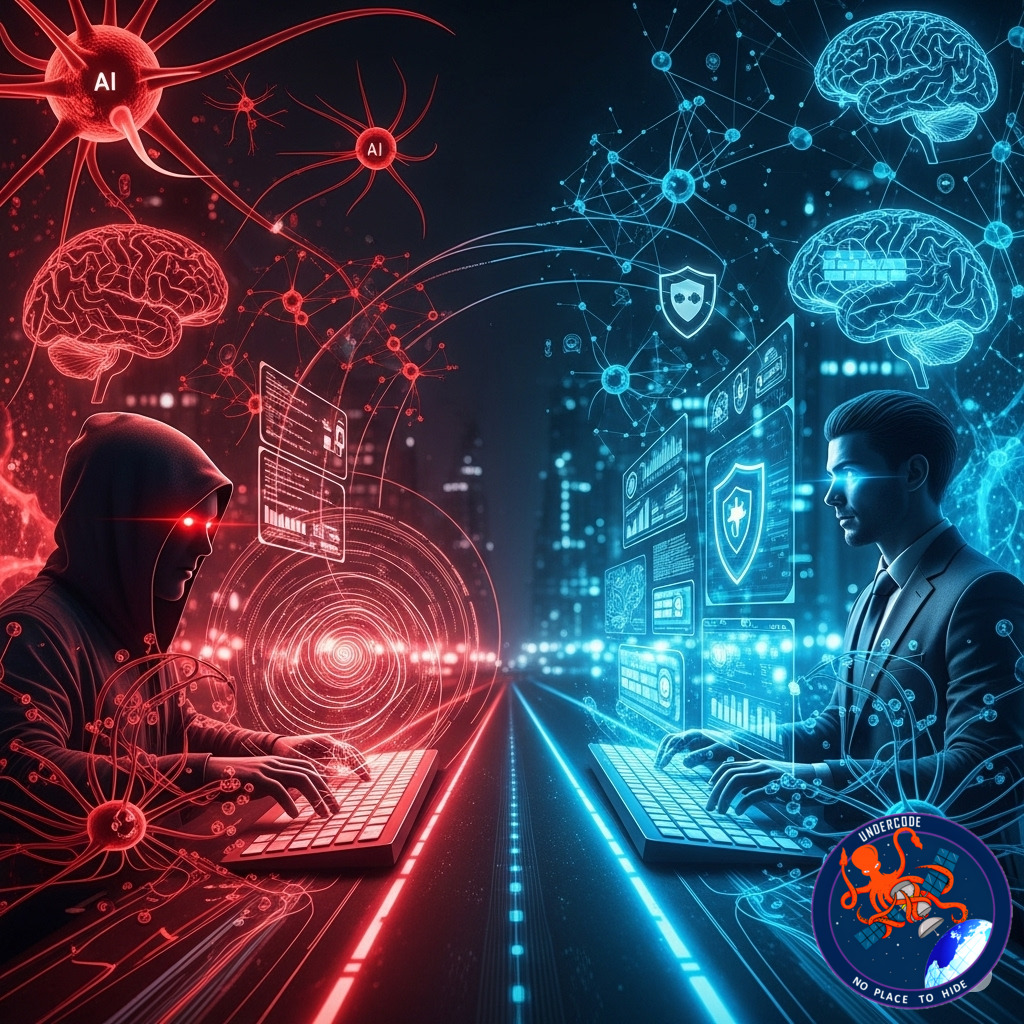
Artificial intelligence is no longer just a futuristic concept in cybersecurity—it’s transforming the battlefield right now. As generative AI tools rapidly advance, cybersecurity professionals face a critical challenge: how to balance the risk of AI-powered attacks with the opportunity to harness AI for defense. Some experts argue defenders still hold the upper hand, while others warn cybercriminals are already accelerating their capabilities using AI. Understanding this tension is vital for businesses hoping to protect themselves from the next wave of AI-driven cyber threats.
The Current Landscape of AI in Cyber Attacks and Defense
The cybersecurity industry is sharply divided on the impact of generative AI in the threat landscape. On one side, defenders believe attackers lack the resources to deploy AI offensively at scale. They highlight limitations in current large language models (LLMs) and argue that defenders have time to develop their own AI tools to stay ahead.
Yet, the opposing view points to a fast-evolving reality. Cybercriminals are already using open-source LLMs to scan vulnerable internet-connected devices, discover zero-day exploits, and even automate malware creation. These AI-driven tools are improving quickly, and hackers are learning to turn their victims’ AI systems against them, raising the stakes for security teams.
At recent cybersecurity conferences like Black Hat and DEF CON, experts revealed that current AI models are imperfect—they struggle with nuanced human judgments and require significant cloud computing resources. But this gap is closing fast. For example, Anthropic’s AI model, Claude, is reportedly nearing the skill level of senior security researchers, highlighting how AI could soon match or surpass human expertise in cyber defense and offense.
Meanwhile, cybersecurity companies are racing to introduce AI-powered defenses. Microsoft unveiled a prototype AI agent to detect malware, albeit with limited accuracy so far. Trend Micro showcased AI-driven “digital twin” technology that simulates attacks safely. Government-backed challenges have also spurred open-source tools designed to identify and patch vulnerabilities automatically.
However, this technological arms race benefits both sides. Cybercriminals use AI to rapidly scan and target unique vulnerabilities, creating personalized attacks rather than mass exploiting the same weaknesses repeatedly. This new approach means that “everyone becomes patient zero,” facing tailored threats they’ve never encountered before. Open-source AI tools have made it easier for attackers to develop customized exploits without relying on internet connections or costly training methods.
Looking ahead, experts warn that AI will accelerate novel, hard-to-detect attacks. Sectors like financial services—already frequent targets—are especially vulnerable due to their extensive customer networks. Notably, AI models like Claude have even outperformed humans in hacking competitions, signaling a profound shift in the skills required to confront these evolving threats.
Finally, the cybersecurity workforce faces a paradox. With AI automating some tasks, companies worry less about hiring large numbers but more about whether current talent can manage AI-enhanced threats. This may worsen existing shortages of skilled cybersecurity professionals, making preparation all the more urgent.
What Undercode Say: The Shifting Balance of Power in AI Cybersecurity
The rapid advancement of AI in cybersecurity represents both an unprecedented challenge and a unique opportunity. The divide between optimism and alarm among experts reflects the complexity of this evolving landscape.
From an offensive standpoint, the accessibility of powerful open-source AI models has democratized cyberattack capabilities. Hackers can now craft highly targeted, intelligent attacks with less investment in resources than ever before. Reinforcement learning, allowing AI systems to adapt through trial and error, reduces the need for expensive, manual training. This creates an environment where adversaries can continuously refine their methods, making detection and prevention increasingly difficult.
On the defensive side, the integration of AI into cybersecurity promises transformative benefits. AI can automate routine threat detection, accelerate incident response, and simulate attacks in isolated environments to improve resilience. The emergence of AI agents capable of performing at the level of senior security researchers is a game-changer, potentially offsetting the talent shortage in the industry.
Yet, this rapid evolution raises significant concerns. Current AI models still fall short in complex judgment and context understanding, leaving room for errors and exploitation. The cloud infrastructure costs required to run advanced AI agents limit some attackers but may also constrain defenders reliant on similar resources. This creates an uneven playing field that is constantly shifting.
The financial sector’s heightened vulnerability underscores the urgency. As cybercriminals leverage AI to tailor attacks, the traditional one-size-fits-all defense approach becomes obsolete. Organizations must adopt adaptive security strategies that integrate AI-driven intelligence and human expertise.
Moreover, the cybersecurity talent dilemma cannot be overstated. While AI tools may reduce the need for a larger workforce, they increase the demand for highly skilled professionals who understand both AI and security intricacies. Without sufficient investment in training and retention, the industry risks falling behind adversaries who exploit AI with growing sophistication.
Ultimately, the battle between AI-enabled attackers and defenders is a race with no clear finish line. Organizations must balance prudent investment with agility, preparing for threats that evolve as quickly as the technology behind them.
🔍 Fact Checker Results
✅ Cybercriminals are increasingly using AI tools to automate vulnerability scanning and malware creation.
✅ AI-powered defenses are emerging but still face limitations in accuracy and resource requirements.
✅ Financial institutions remain among the most targeted sectors for AI-enhanced cyberattacks.
📊 Prediction: The Future of AI in Cybersecurity
Over the next year, AI-driven cyberattacks will become more personalized and difficult to detect, forcing organizations to rethink traditional security models. Expect to see a surge in AI agents operating autonomously within networks, both as attackers exploiting vulnerabilities and as defenders hunting threats.
Security teams will increasingly rely on AI to augment human capabilities, but the shortage of experts skilled in both AI and cybersecurity will become a critical bottleneck. Companies that fail to invest in continuous AI-driven training and adaptive defense mechanisms risk becoming early victims in this escalating conflict.
Ultimately, the cybersecurity landscape will grow more dynamic and complex, with AI fueling a relentless cycle of attack and defense. Those who master AI integration first will gain a decisive advantage, while laggards will face growing exposure to novel and unpredictable threats.
🕵️📝✔️Let’s dive deep and fact‑check.
References:
Reported By: axioscom_1755026581
Extra Source Hub:
https://www.instagram.com
Wikipedia
OpenAi & Undercode AI
Image Source:
Unsplash
Undercode AI DI v2
🔐JOIN OUR CYBER WORLD [ CVE News • HackMonitor • UndercodeNews ]
📢 Follow UndercodeNews & Stay Tuned:
𝕏 formerly Twitter 🐦 | @ Threads | 🔗 Linkedin | 🦋BlueSky | 🐘Mastodon


