
Listen to this Post
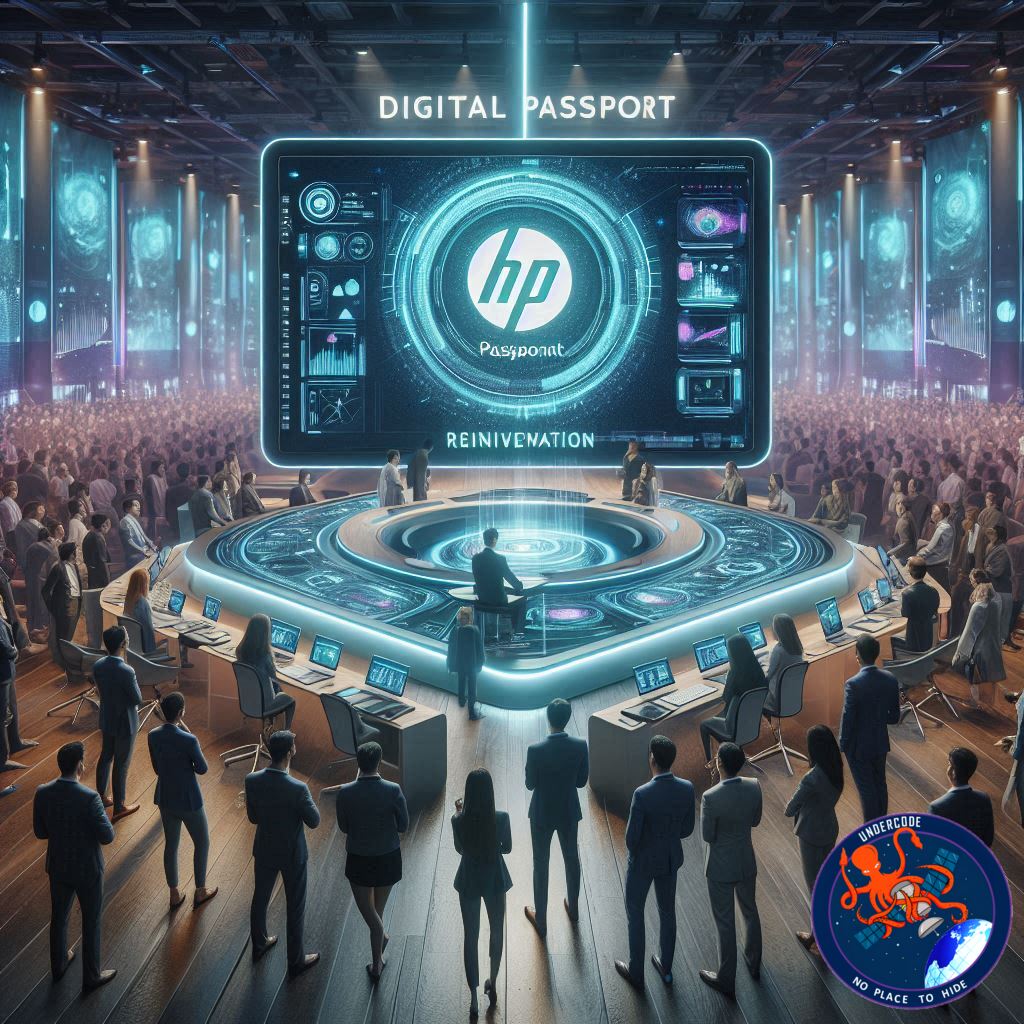
A New Chapter in How People Understand Their Devices
The personal computer is no longer just a tool for work or entertainment. It has quietly evolved into a companion that adapts, learns, and supports users across years of ownership. At CES 2026, HP introduced a concept that reflects this shift with striking clarity. HP Digital Passport is not a feature hidden inside software menus, nor a marketing add-on buried online. It is a foundational rethink of how people connect with their devices from the very first moment they open the box.
As expectations around simplicity, transparency, and sustainability rise, HP is addressing a long-standing gap. Many powerful PC capabilities remain unused simply because users never discover them. Digital Passport is designed to close that gap, using one scan to unlock a living digital profile for every HP PC, turning hardware into an ongoing experience rather than a static product.
The Core Idea Behind HP Digital Passport
HP Digital Passport is a personalized digital hub tied directly to each individual PC. Every new HP PC shipping from 2025 onward includes a serialized QR code printed on the device itself. Scanning that code with a smartphone instantly opens a mobile-first experience tailored to that exact machine.
This hub is not a one-time setup guide. It evolves throughout the entire lifecycle of the PC. From initial onboarding and feature discovery to repairs, upgrades, accessory compatibility, and end-of-life recycling, Digital Passport acts as a central source of truth. It is designed to grow alongside the device, reflecting changes in software, hardware capabilities, and user needs over time.
Making Invisible Features Finally Visible
Modern PCs are packed with intelligent features such as camera optimization, audio tuning, AI-driven performance controls, security layers, and productivity shortcuts. The problem has never been a lack of innovation, but a lack of awareness. Digital Passport brings these features to the surface in a contextual, easy-to-understand way.
Instead of forcing users to hunt through menus or documentation, HP presents relevant capabilities at the moment they matter. This approach reframes learning as discovery rather than instruction, helping users get more value from hardware they already own.
Sustainability Woven Into the Ownership Journey
One of the most meaningful aspects of HP Digital Passport is its role in sustainability. Traditional PCs ship with large volumes of printed documentation, much of it unread and quickly discarded. HP estimates that its PC shipments generate approximately 5.3 million pounds of printed paper each year, a figure that highlights how outdated documentation practices have become.
By shifting core information into a digital format, HP reduces material waste at scale. Digital Passport also reveals the sustainability story of each device, including the use of recycled or renewable materials. This visibility helps users understand the environmental impact of their purchase and make more informed decisions about reuse, repair, and recycling.
Real Engagement, Measurable Results
Early pilots of Digital Passport show strong user interest. More than 80 percent of surveyed PC shoppers indicated they would scan a QR code to learn more about their product. Engagement rates on Digital Passport pages reached up to five times higher than traditional web content.
For consumers, this translates into greater confidence and satisfaction. For HP, it creates a direct, ongoing relationship with users that extends well beyond the point of sale. The PC becomes a platform for communication, education, and support throughout its usable life.
A Powerful Tool for Business and IT Teams
Digital Passport is not limited to individual consumers. For commercial customers, the serialized QR code introduces practical operational advantages. IT teams can use it for faster asset identification, improved device tracking, and better visibility across large PC fleets.
The system aligns with TCO Certified Generation 10 standards, reinforcing HP’s commitment to sustainability and social responsibility in enterprise environments. This makes Digital Passport as relevant to large organizations as it is to everyday users.
Reducing Waste and Redefining Documentation
Printed manuals, warranty booklets, and regulatory inserts have long been a weak point in the PC experience. Dense legal language, tiny fonts, and multiple translations often result in information overload with little real value. Digital Passport offers a path away from this inefficiency.
HP has signaled a broader ambition to work with regulators over time to replace paper-based documentation with digital standards that are clearer, more accessible, and significantly better for the planet. If successful, this could influence how the entire industry handles product information.
CES 2026 Recognition and a Broader Innovation Push
HP Digital Passport earned recognition as a CES 2026 Innovation Award Honoree, but it was far from the company’s only highlight at the show. HP also received awards for products such as the EliteDesk 8 Mini G1a AI PC, the ZBook Fury G1i 18 workstation, the OMEN MAX 45L gaming desktop, and several HyperX peripherals.
Together, these products reflect a consistent design philosophy focused on performance, sustainability, and thoughtful user experience. Digital Passport acts as the connective tissue tying those values together across HP’s entire PC portfolio.
What Undercode Say:
HP Digital Passport is less about QR codes and more about control over the post-purchase experience. For years, PC makers have competed almost exclusively on specifications, leaving the ownership journey fragmented and impersonal. HP is quietly shifting the battlefield toward lifecycle engagement, where value is created long after the hardware is sold.
The brilliance of Digital Passport lies in its simplicity. By anchoring the experience to the physical device through a serialized code, HP avoids the friction of accounts, downloads, or confusing portals. The phone becomes the bridge, and the PC becomes a living product with a documented identity.
From a strategic perspective, this also strengthens HP’s data loop. Understanding which features users explore, which support options they access, and how long devices remain active provides insight that traditional documentation never could. If handled responsibly, this data can drive better product design, clearer communication, and smarter sustainability planning.
There is also a quiet psychological shift at play. When users can see the materials, design intent, and long-term support behind their device, the PC feels less disposable. That perception matters in a market struggling with e-waste and short upgrade cycles.
For enterprise customers, the operational benefits are obvious. Asset tracking, lifecycle planning, and compliance become easier when every device carries its own digital identity. This could reduce hidden IT costs while reinforcing sustainability commitments at scale.
Digital Passport may not grab headlines like new processors or GPUs, but it addresses a deeper problem the industry has ignored for too long. The future of PCs will not be defined only by raw performance, but by how intelligently companies manage the relationship between people and their machines.
Fact Checker Results:
HP Digital Passport launches across new HP PCs starting with 2025 models and expanding through 2026. ✅
HP estimates annual printed paper use from PC shipments at approximately 5.3 million pounds. ✅
The Digital Passport experience replaces all regulatory documentation globally as of 2026. ❌
Prediction:
📊 HP Digital Passport will accelerate a broader industry shift toward device-level digital identities, pushing competitors to rethink post-purchase engagement.
📊 Regulatory pressure and sustainability goals will make digital documentation the default within the next few product cycles.
📊 PCs that lack transparent lifecycle experiences may increasingly feel outdated in a market focused on long-term value.
▶️ Related Video (82% Match):
🕵️📝✔️Let’s dive deep and fact‑check.
References:
Reported By: www.hp.com
Extra Source Hub (Possible Sources for article):
https://www.medium.com
Wikipedia
OpenAi & Undercode AI
Image Source:
Unsplash
Undercode AI DI v2
Bing
🔐JOIN OUR CYBER WORLD [ CVE News • HackMonitor • UndercodeNews ]
📢 Follow UndercodeNews & Stay Tuned:
𝕏 formerly Twitter 🐦 | @ Threads | 🔗 Linkedin | 🦋BlueSky | 🐘Mastodon


