
Listen to this Post
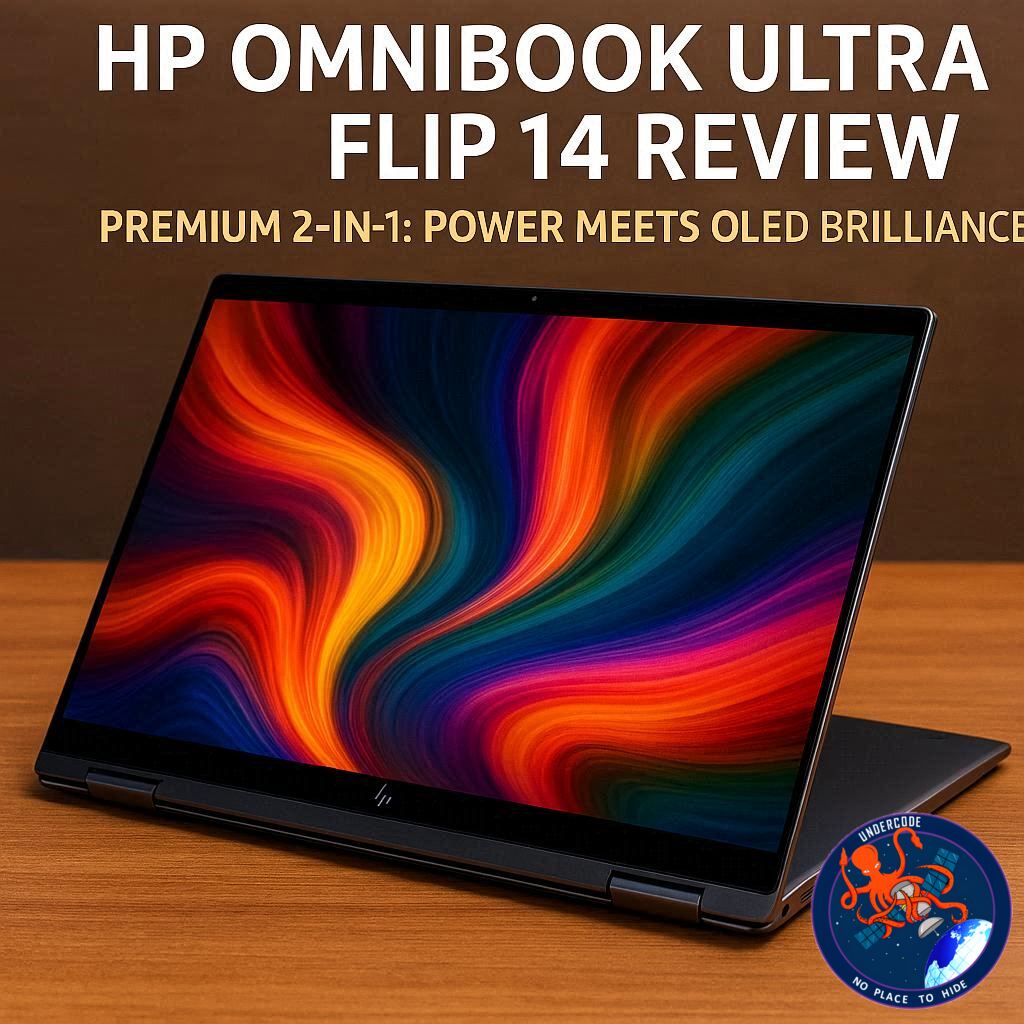
Introduction: A Convertible Laptop That Aims for Perfection
The modern laptop market is saturated with slim, stylish devices promising power and portability, yet only a few truly strike the balance. The HP OmniBook Ultra Flip 14 enters this competitive space with bold ambitions, targeting creators, professionals, and everyday users alike. With its ultra-thin design, premium aluminum build, and stunning 3K OLED display, it positions itself as a serious contender in the high-end convertible category. But beneath the polished exterior lies a mix of impressive strengths and subtle compromises that define its real-world value.
Summary: A Balanced Blend of Design, Performance, and Practical Trade-offs
The HP OmniBook Ultra Flip 14 stands out immediately with its incredibly thin profile, a design choice that does not sacrifice structural integrity. Its aluminum chassis feels exceptionally sturdy, placing it among the best-built 2-in-1 laptops available today. The device carries a refined aesthetic, especially in its dark blue variant, offering a refreshing departure from the usual monochrome finishes seen across competitors.
Despite its slimness, the laptop is slightly heavier than expected, which may surprise users seeking ultra-light portability. This added weight stems largely from its solid construction, a trade-off between durability and mobility. Another notable design quirk involves the included HP MPP 2.0 Tilt Pen. While functional and comfortable to use, its magnetic attachment is weak and awkwardly positioned, making it prone to detachment during transport.
Port selection is minimal, limited to three USB-C ports and a headphone jack. However, HP introduces a clever layout by placing two USB-C ports on the rear corners, improving cable management and accessibility. Still, the lack of USB-A ports may inconvenience users relying on traditional peripherals.
Performance-wise, the Ultra Flip 14 delivers consistent results across everyday tasks. It handles web browsing, productivity workloads, and 4K streaming effortlessly. Even light gaming is possible, with titles like Cyberpunk 2077 running at playable settings despite the absence of a dedicated GPU. However, this limitation becomes evident in more demanding creative workloads, particularly video editing, where the device struggles due to its integrated graphics.
Thermal performance is well-managed, with heat concentrated at the rear and minimal discomfort during use. Fan noise is present but subdued compared to competing laptops, maintaining a relatively शांत working environment.
The standout feature of this device is undoubtedly its 3K OLED display. It offers vibrant colors, deep contrast, and excellent brightness, delivering a premium visual experience ideal for both content consumption and creative tasks. The touchscreen is responsive, and the stylus enhances usability, especially for digital artists and note-takers.
Typing on the keyboard is smooth and efficient, thanks to well-spaced keys and light actuation. However, users who type aggressively may find the shallow key travel slightly harsh. The large touchpad adds to usability, supporting multiple gestures and even incorporating haptic sliders for brightness and volume control, though these features feel somewhat gimmicky.
Battery life is another major strength. The Ultra Flip 14 lasts up to 18 hours in continuous video playback, outperforming most competitors in its class. Charging is also efficient, reaching full capacity in just over two hours.
In terms of pricing, the laptop starts at $1,459.99, offering configurations with Intel Core Ultra processors, up to 32GB RAM, and 2TB storage. Considering its build quality, display, and overall performance, it represents solid value in the premium 2-in-1 segment.
What Undercode Say: A Strategic Design That Prioritizes Experience Over Raw Power
The HP OmniBook Ultra Flip 14 is a clear example of a product designed with intentional priorities. It does not attempt to dominate every category, but instead focuses on delivering excellence in areas that matter most to modern users, particularly display quality, build, and battery life.
The absence of a dedicated GPU is not an oversight but a calculated decision. HP appears to be targeting a broader audience that values portability and efficiency over high-end graphical performance. This aligns with the growing trend of cloud-based workflows and lighter creative tools that rely less on local GPU power.
The OLED display is more than just a feature, it is the centerpiece of the entire experience. In an era where visual consumption dominates, whether through streaming, design, or browsing, investing in a superior display creates a noticeable difference in daily use. This is where the Ultra Flip gains a competitive edge over similarly priced devices that compromise on screen quality.
However, the stylus implementation reveals a disconnect between design ambition and practical usability. While the inclusion of a pen suggests a creator-focused device, the poor storage solution undermines its effectiveness. This reflects a broader issue in convertible laptops, where accessories are often treated as secondary rather than integral components.
The port limitation further highlights the trade-offs of extreme thinness. While USB-C is the future, the transition is not yet complete, and many users still rely on USB-A devices. This forces users into adopting dongles, subtly shifting inconvenience from hardware design to user adaptation.
Performance consistency is commendable, especially considering the lack of dedicated graphics. The system demonstrates that optimized integrated GPUs can handle more than expected, including casual gaming and moderate creative workloads. However, professionals working with demanding software like Adobe Premiere will quickly encounter its limitations.
Battery performance stands as one of the device’s strongest arguments. In a market where many laptops struggle to reach double-digit hours under real-world conditions, achieving 18 hours places the Ultra Flip among the elite. This makes it particularly appealing for remote workers, students, and travelers.
From a competitive standpoint, the device positions itself carefully between high-performance machines and budget-friendly alternatives. Compared to rivals like the MSI Prestige 14 Flip AI+, it sacrifices extreme battery longevity and RAM capacity for a superior display and refined user experience. Against budget options like Chromebook convertibles, it justifies its higher price through premium materials and Windows-based versatility.
Ultimately, the HP OmniBook Ultra Flip 14 is not trying to be the most powerful device on the market. Instead, it aims to be the most balanced, offering a polished experience that aligns with how most people actually use their laptops today.
Fact Checker Results
✅ The laptop features a 3K OLED display with strong brightness and color accuracy
✅ Battery life reaches approximately 18 hours in video playback tests
❌ It is not ideal for heavy video editing due to lack of dedicated GPU
Prediction
📊 The demand for OLED-equipped laptops will surge as users prioritize visual quality over raw specs
📊 Ultra-thin devices will continue reducing ports, accelerating reliance on wireless and USB-C ecosystems
📊 Integrated GPUs will improve rapidly, narrowing the gap with entry-level dedicated graphics solutions
🕵️📝✔️Let’s dive deep and fact‑check.
References:
Reported By: www.techradar.com
Extra Source Hub (Possible Sources for article):
https://www.linkedin.com
Wikipedia
OpenAi & Undercode AI
Image Source:
Unsplash
Undercode AI DI v2
Bing
🔐JOIN OUR CYBER WORLD [ CVE News • HackMonitor • UndercodeNews ]
📢 Follow UndercodeNews & Stay Tuned:
𝕏 formerly Twitter 🐦 | @ Threads | 🔗 Linkedin | 🦋BlueSky | 🐘Mastodon


